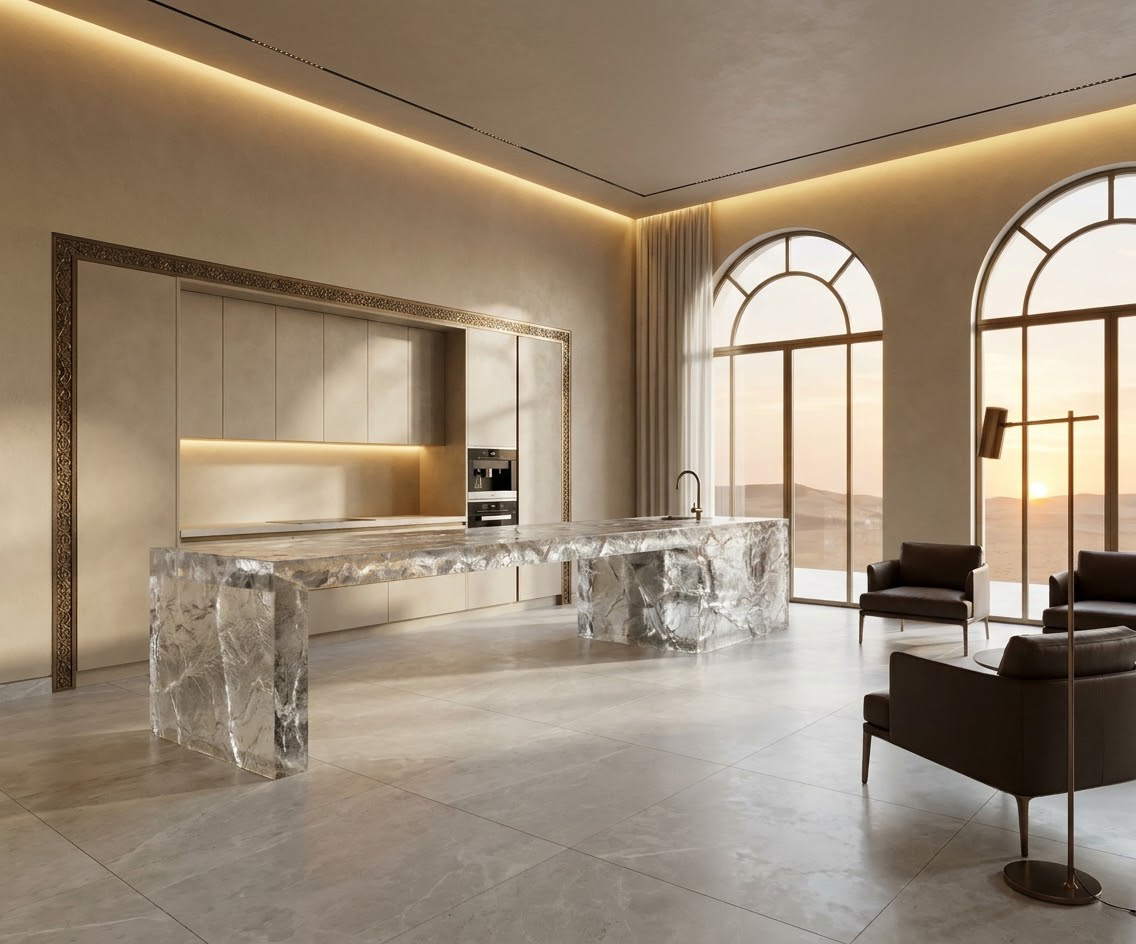
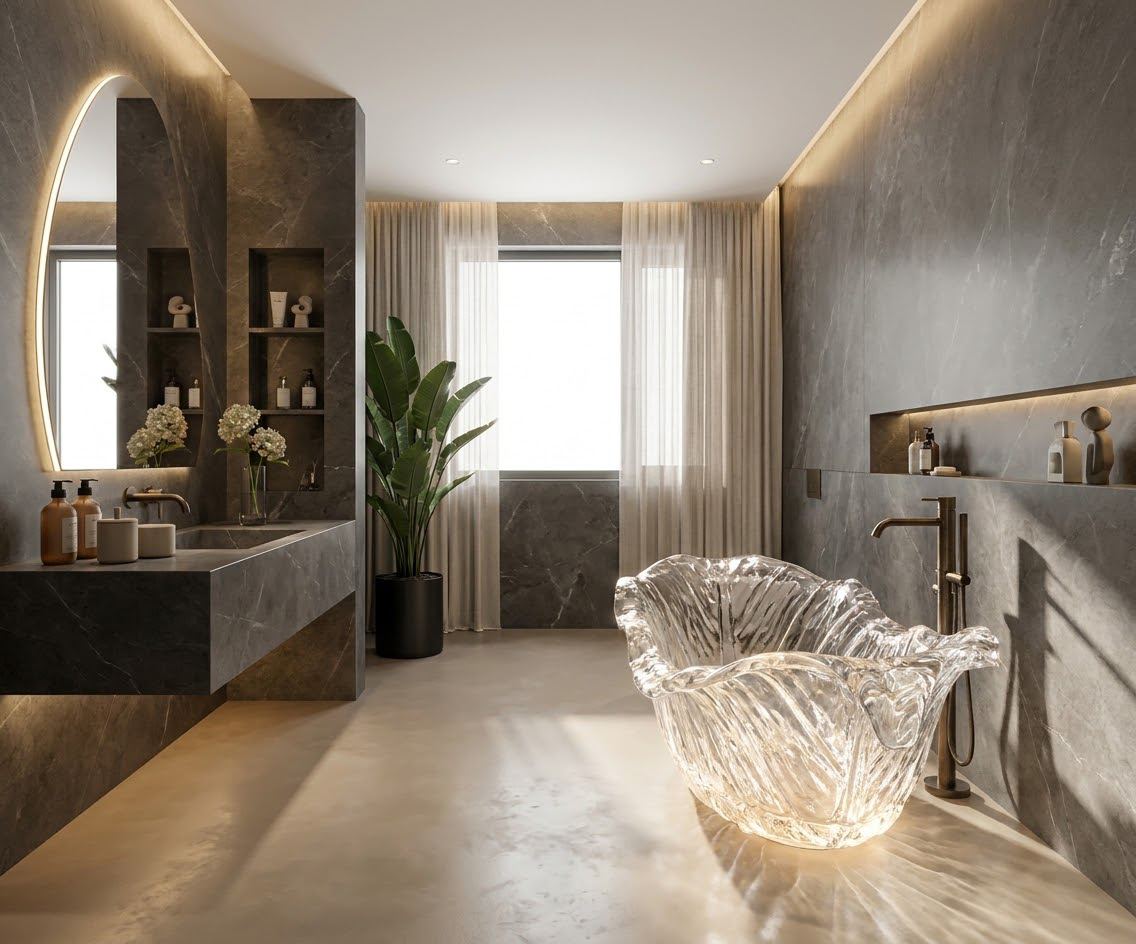
As of 2026, the global luxury furniture market has seen a 28% year-on-year surge in demand for synthetic crystal furniture, driven by growing preference for translucent, modern interior pieces.
Interior designers increasingly prioritize these pieces for high-end residential and commercial projects, citing their unique aesthetic appeal and durable performance.
This guide breaks down the end-to-end new product development workflow for synthetic crystal furniture, with actionable risk control strategies tailored for industry experts.
1. Pre-Development Material Validation for Synthetic Crystal Furniture
Material selection is the foundation of high-quality synthetic crystal furniture, directly impacting product performance, cost, and market competitiveness.
In 2026’s market, misaligned material specifications account for 32% of new product launch failures in the crystal furniture segment, per latest industry reports.
1.1 High-Purity Optical-Grade Material Performance Testing
The core of premium synthetic crystal furniture lies in high-purity optical-grade material, which delivers superior light transmittance and structural stability.
Testing protocols must cover multiple critical parameters to ensure compliance with 2026 industry standards.
Key testing items for high-purity optical-grade material include:
Light transmittance testing: Minimum 92% transmittance at 550nm wavelength for premium-grade products
High surface hardness verification: Mohs hardness level 6.5+ to resist daily scratches and abrasion
Thermal stability testing: Withstand temperature fluctuations from -10°C to 60°C without deformation or cracking
Chemical resistance testing: Resistance to common household cleaners and cosmetic products
UV resistance testing: No yellowing after 500 hours of accelerated UV exposure
For synthetic crystal tables, additional load-bearing material tests are required to support daily use weight requirements.
Artificial crystal furniture manufacturers that skip comprehensive material testing face 4x higher post-launch quality complaint rates.
1.2 Material Supply Chain Risk Assessment
Even high-quality materials carry supply chain risks that can derail new product timelines.
As of 2026, global supply chain volatility remains a top concern for furniture manufacturers, with 41% reporting material delivery delays in the first half of the year.
Critical supply chain risk factors to evaluate:
Supplier production capacity: Verify ability to scale from sample-level to mass production volumes
Raw material consistency: Ensure batch-to-batch uniformity in clarity, hardness, and color
Geographic supply risks: Assess transportation delays, tariff changes, and geopolitical factors
Alternative supplier availability: Maintain at least two qualified suppliers for core materials
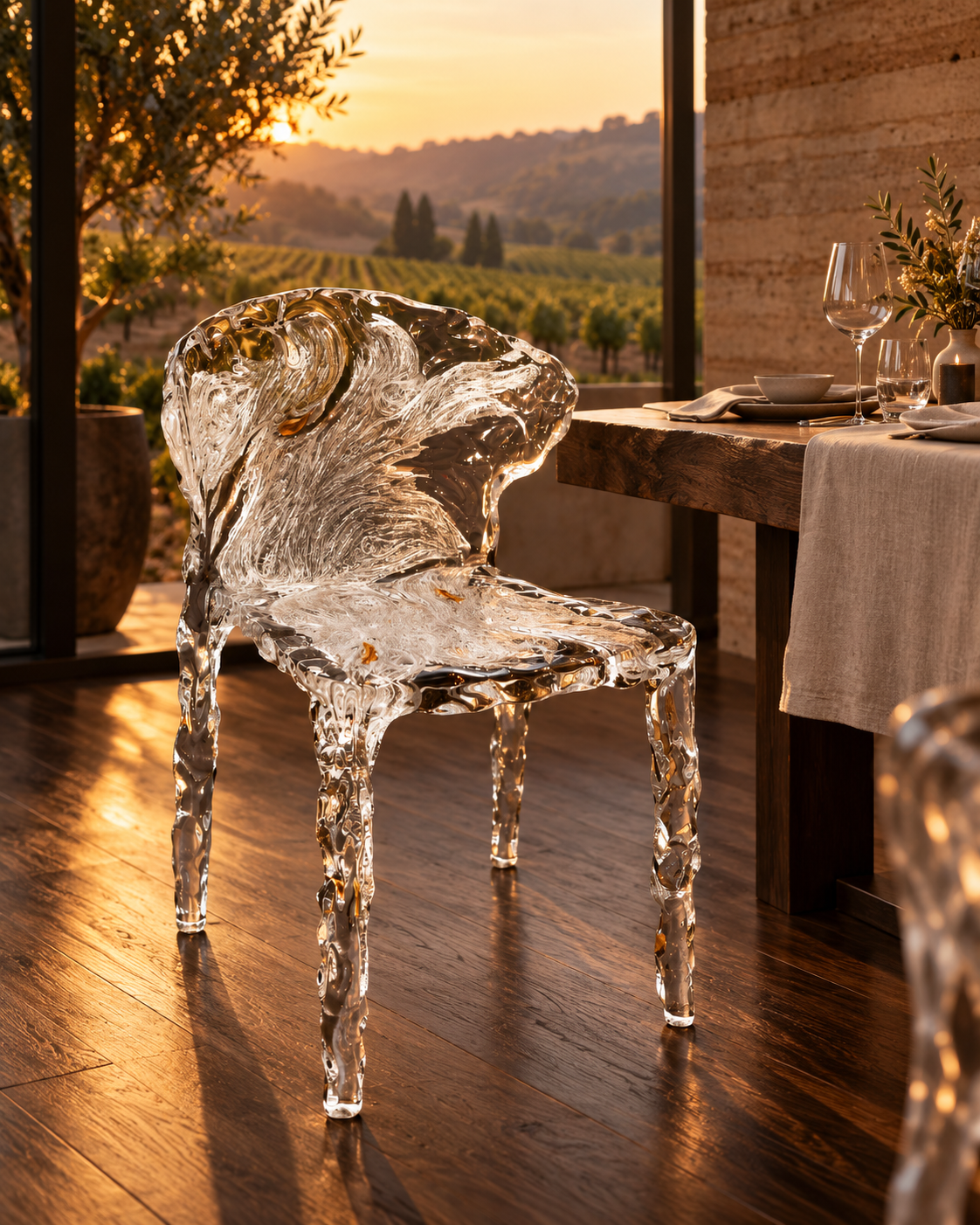
For synthetic crystal chair development, material consistency is especially critical, as structural components require uniform strength properties.
Interior designers often specify material origin and grade in project requirements, making supply chain transparency a key selling point.

2. Prototype Development and Design Verification
Prototype development bridges material testing and mass production, allowing teams to validate design feasibility and user experience.
In 2026, 68% of successful synthetic crystal furniture launches underwent at least three rounds of prototype iteration.
2.1 Synthetic Crystal Table and Chair Prototype Fabrication
Prototype fabrication for synthetic crystal tables and chairs requires precision manufacturing techniques to achieve desired aesthetic and functional outcomes.
Modern CNC cutting and polishing technologies enable highly accurate shaping of crystal components.
Key steps in prototype fabrication:
3D model finalization: Confirm dimensions, curvature, and joint designs with engineering and design teams
Cutting and rough shaping: Use diamond wire saws to cut high-purity optical-grade material into basic shapes
Precision polishing: Achieve mirror-level surface finish with multi-stage polishing processes
Component assembly: Test joint systems (adhesive, mechanical fasteners, or integrated molding)
Finishing touches: Apply edge treatments and anti-fingerprint coatings as specified
High surface hardness of the material requires specialized tooling, which adds to prototype lead times and costs.
Artificial crystal furniture prototypes typically take 2-4 weeks to complete, depending on design complexity.
2.2 Functional and Aesthetic Validation Testing
Prototype testing validates both functional performance and aesthetic alignment with target market expectations.
For interior designers, aesthetic consistency is as important as structural reliability for client approvals.
Core validation testing categories:
Structural load testing: Synthetic crystal tables must support 150kg static load for 72 hours without deformation
Stability testing: Synthetic crystal chairs must pass 10,000 cycles of sit-stand stability testing
Aesthetic evaluation: Assess light refraction, color consistency, and surface finish under different lighting conditions
User experience testing: Evaluate ergonomics, weight, and ease of assembly
Safety testing: Verify no sharp edges, stable base design, and compliance with furniture safety standards
As of 2026, 72% of high-end interior design projects require third-party test reports for synthetic crystal furniture specifications.
Failing validation at this stage prevents costly reworks during mass production.

3. Pre-Production Process Optimization
Before full-scale manufacturing begins, process optimization ensures consistent quality and efficient production.
In 2026’s competitive market, manufacturers with optimized production lines achieve 35% lower defect rates than average.
3.1 Mass Production Process Standardization
Standardized processes are critical for maintaining quality across large batches of synthetic crystal furniture.
Each production step must have clear operating procedures and quality checkpoints.
Standardized production process elements:
Material cutting parameters: Fixed feed rate, blade speed, and cooling requirements for consistent cuts
Polishing process flow: Defined number of polishing stages, abrasive grit sizes, and quality benchmarks
Adhesive bonding protocols: Specified adhesive types, curing time, temperature, and pressure requirements
Quality inspection checkpoints: In-process checks after each major production stage
Packaging standards: Custom foam inserts and wooden crates to prevent damage during shipping
High surface hardness of synthetic crystal materials means production tools wear faster, requiring regular replacement schedules to maintain quality.
For synthetic crystal chair production, standardized mold settings ensure consistent component fit across batches.
3.2 Small Batch Trial Production and Defect Analysis
Small batch trial production (typically 20-50 units) identifies process issues before full-scale manufacturing.
This stage reduces the risk of large-scale defects that can result in significant financial losses.
Common defects identified during trial production:
Surface scratches or polishing marks that appear under specific lighting
Uneven edge thickness due to cutting tool wear
Bonding line visibility in assembled components
Color variation between different material batches
Minor dimensional deviations that affect assembly fit
For synthetic crystal tables, surface flatness is a critical quality metric that must be verified during trial production.
Artificial crystal furniture manufacturers that conduct thorough defect analysis reduce mass production defect rates by an average of 45%.
4. Mass Production Risk Control Strategies
Full-scale mass production presents unique risks related to volume, consistency, and supply chain management.
As of 2026, the average defect rate for mass-produced synthetic crystal furniture is 8.2%, with top manufacturers achieving rates below 3%.
4.1 Quality Control System Implementation
A robust quality control (QC) system is essential for maintaining consistent product quality throughout mass production.
The system should cover incoming materials, in-process checks, and final product inspection.
Key QC system components:
Incoming material inspection: Test 10% of each material batch for purity, hardness, and clarity
In-process quality checks: Dedicated QC inspectors at each production stage
Final product testing: 100% inspection for surface defects and structural integrity
Traceability system: Track each unit’s material batch, production date, and inspector
Non-conforming product handling: Clear protocols for rework, repair, or disposal
Interior designers often request QC reports for custom orders, making documentation a critical part of the quality system.
High-purity optical-grade material batches require more rigorous incoming inspection due to higher material costs.
4.2 Production Schedule and Cost Risk Management
Production delays and cost overruns are common risks in synthetic crystal furniture mass production.
Proactive management of schedules and costs ensures projects stay on track and within budget.
Effective risk mitigation measures:
Buffer time allocation: Add 15-20% buffer to production schedules for unexpected issues
Cost tracking system: Monitor material, labor, and overhead costs in real-time
Material waste reduction: Optimize cutting patterns to minimize material waste
Equipment maintenance schedule: Prevent unexpected downtime with regular maintenance
Labor training programs: Ensure workers are properly trained on specialized crystal processing techniques
For synthetic crystal chair production, labor costs are typically higher due to more complex shaping and assembly requirements.
As of 2026, material costs account for 55-65% of total production costs for synthetic crystal furniture.

5. Market Launch and Post-Launch Quality Monitoring
Successful product launch requires careful market positioning and ongoing quality monitoring.
In 2026, 62% of synthetic crystal furniture sales come from repeat clients and referrals, making post-launch quality critical.
5.1 Target Market Positioning for Interior Designers
Interior designers represent a key customer segment for high-end synthetic crystal furniture.
Understanding their needs and preferences is essential for successful market penetration.
Key factors that influence designer purchasing decisions:
Customization options: Ability to adjust sizes, colors, and edge finishes
Lead time reliability: Consistent delivery timelines for project deadlines
Quality documentation: Test reports, material certifications, and warranty information
Design collaboration: Support for custom design development and prototyping
Portfolio support: High-quality product images and case studies for designer presentations
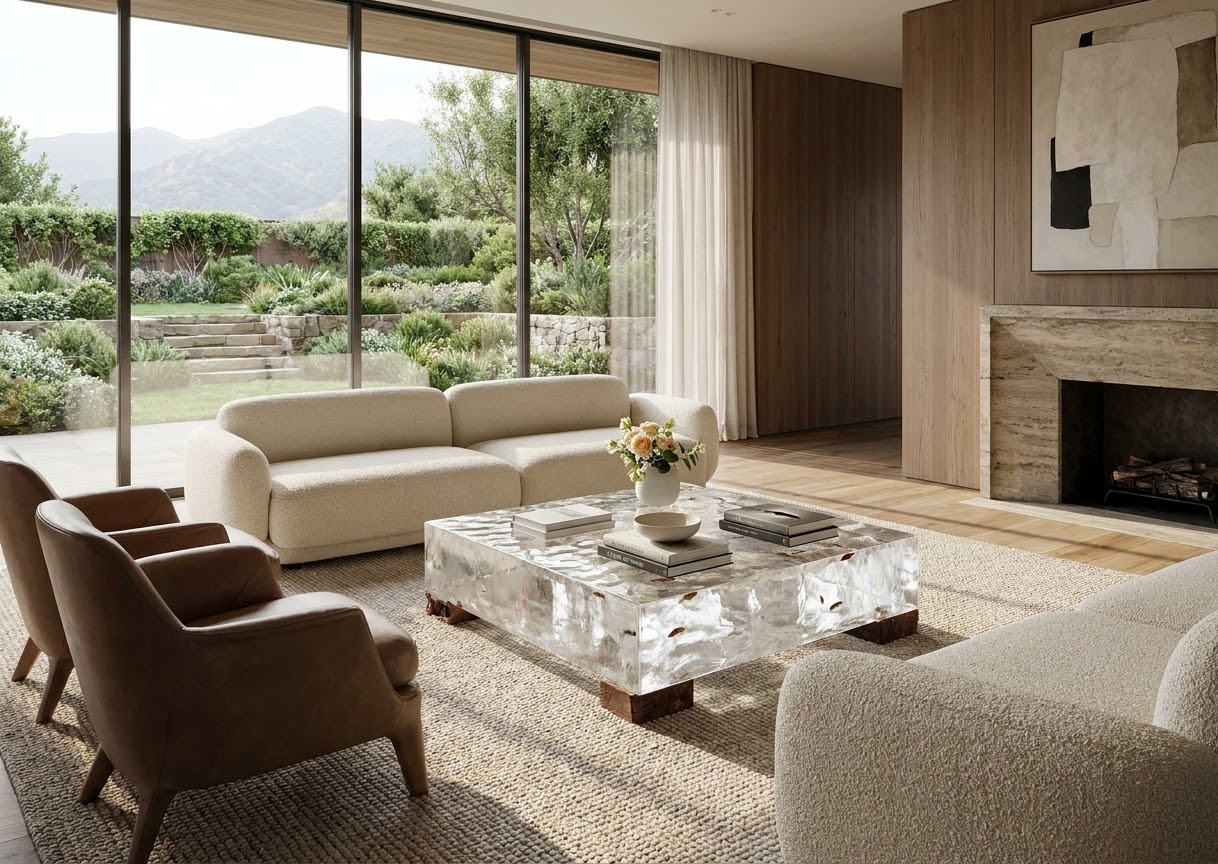
Synthetic crystal tables are among the most requested pieces by interior designers for luxury living room and dining room projects.
Artificial crystal furniture manufacturers that offer designer partnership programs see 40% higher order volumes than those that don’t.
5.2 Post-Launch Quality Feedback and Continuous Improvement
Post-launch feedback provides valuable insights for product improvement and future development.
As of 2026, 78% of top furniture manufacturers have formal customer feedback collection systems.
Effective feedback collection and improvement processes:
Customer satisfaction surveys: Sent 30 and 90 days after product delivery
Warranty claim analysis: Track common issues to identify root causes
Retailer and designer feedback: Regular check-ins with channel partners
Product testing updates: Incorporate new testing standards as they emerge
Annual product reviews: Full assessment of product performance and market reception
High surface hardness remains one of the most praised features of synthetic crystal furniture in customer feedback.
Continuous improvement based on real-world use data ensures long-term product competitiveness in the market.
READ MORE:
- Synthetic Crystal Furniture Guide for Germany Commercial Bar Counter Design
- Synthetic Crystal Furniture Design Guide for High-End Hotel Bar Counters
- Mobili in cristallo sintetico: dal progetto all’installazione per progetti su larga scala
- Arredamento in cristallo sintetico: guida per architetti su materiali, ottica e lavorazione
- Arredamento in cristallo sintetico per hotel di lusso: forme complesse, produzione precisa e controllo qualità stabile
- Arredamento in cristallo sintetico: innovazione dei materiali per hotel e resort di lusso
- Arredamento in cristallo sintetico: espressività dei materiali e design per spazi high-end
- Synthetic Crystal Furniture for Luxury Hotels & Mansions: Engineering Innovation & Quality Control for Long-Term Value
- Precision Manufacturing of High-End Synthetic Crystal Furniture: How Custom Shapes, Mixed Materials, and Surface Quality Work Together


