In 2026, the global demand for high-end transparent furniture and modern design furniture has surged by 38% year-on-year, driven by the growth of luxury hospitality, premium retail, and high-end residential projects. For project developers, custom furniture manufacturers, and design professionals, delivering successful synthetic crystal furniture projects requires precise risk management, advanced custom manufacturing capabilities, and rigorous quality assurance systems. This guide breaks down the full execution framework for acrylic furniture and decor projects, covering everything from initial risk assessment to final on-site installation.
1. Pre-Project Risk Assessment for Transparent Furniture Execution
1.1 Identifying Core Execution Risks in Custom Furniture Projects
The first step to successful project delivery is identifying potential risks before they impact timelines or budgets. For synthetic crystal furniture and organic glass furniture projects, common risks include material sourcing delays, design feasibility issues, and on-site installation mismatches.
Key risks to assess in the pre-project phase:
Material supply chain volatility for high-thickness acrylic structure components
Design misalignment between client expectations and manufacturing feasibility
Tolerance errors in custom furniture design and development for large-scale projects
Logistics damage risks for fragile transparent resin furniture pieces
As of 2026, 42% of commercial furniture project delays stem from unassessed design feasibility issues, according to industry reports.
1.2 Risk Mitigation Strategies for B2B Furniture Projects
Once risks are identified, targeted mitigation strategies can reduce project failure rates by up to 60%. For projects serving interior designers, architects, and high-end hotel groups, a structured risk management process is non-negotiable.
Proven risk mitigation steps:
Conduct a design for manufacturability (DFM) review before finalizing client contracts
Secure backup material suppliers for critical acrylic sheet thickness specifications
Build 10-15% buffer time into project timelines for custom synthetic crystal furniture pieces
Assign a dedicated project manager to coordinate between clients, design teams, and production facilities
For custom furniture designers and hotel procurement managers, early DFM reviews prevent costly reworks later in the project lifecycle.
2. Custom Manufacturing Capabilities for High-End Transparent Furniture
2.1 Advanced Processing Technologies for Acrylic Furniture
The quality of designer transparent furniture depends heavily on the fine processing technology of acrylic materials used in production. Leading custom furniture manufacturer for commercial projects invest in precision equipment to meet the demands of high-end clients.
Core manufacturing capabilities for premium transparent furniture:
CNC cutting for precise furniture size and shape customization
High-temperature polishing for flawless high-gloss finish on transparent surfaces
Edge beveling and diamond polishing for furniture edge processing and polishing technology
Thermoforming for curved organic glass furniture and custom decorative pieces
In 2026, the optical transparency of transparent materials used in top-tier products reaches 93%, matching the clarity of natural crystal while offering better mechanical strength of synthetic crystal materials.
2.2 Customization Capabilities for Diverse Client Needs
Different client segments have unique requirements for transparent decorative furniture. From luxury hotel custom furniture solutions to retail display pieces, manufacturers must offer flexible customization options.
Customization options available in 2026:
Full custom furniture design and development for architecture and interior design firms
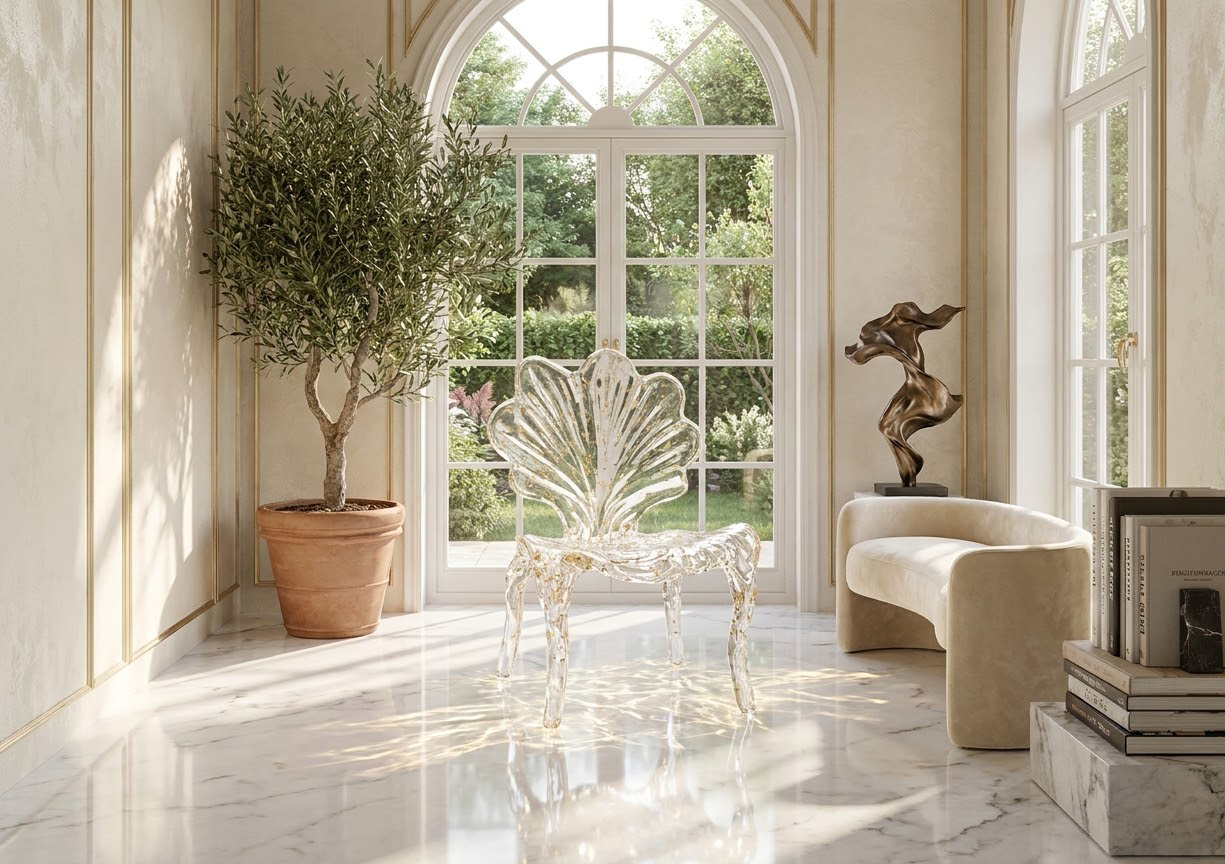
Size, shape, and color customization for all product lines including transparent coffee table and synthetic crystal table
Embedded elements (metal, wood, LED lighting) for acrylic chairs and stools and bar counters
Brand logo integration for commercial space design and decoration company projects
For catering enterprises and chain catering groups, consistent branding across multiple locations is a top priority for custom furniture orders.
3. Quality Assurance Systems for Synthetic Crystal Furniture
3.1 In-Production Quality Control Processes
Rigorous quality control ensures that every piece of high-end transparent furniture meets client specifications and industry standards. For commercial project furniture project companies, consistent quality is critical for maintaining brand reputation.
Key quality control checkpoints:
Raw material inspection: verifying acrylic sheet thickness, optical clarity, and mechanical strength
In-process inspection: checking dimensional accuracy and edge finish after cutting
Post-production inspection: testing surface smoothness, structural stability, and light transmission
Packaging inspection: ensuring proper protection for shipping fragile custom synthetic crystal furniture
As of 2026, leading manufacturers use automated optical inspection systems to detect micro-scratches that are invisible to the naked eye.
3.2 Final Quality Verification Before Delivery
Before shipping to project sites, a final comprehensive verification process ensures zero defects for high-value pieces like high-end crystal billiard table and synthetic crystal chandelier.
Final verification steps for premium projects:
Full assembly test to ensure all components fit perfectly
Load testing for structural pieces like transparent dining table and acrylic bar counter
Visual inspection under multiple lighting conditions to confirm surface quality
Documentation of quality certificates and material safety data sheets
For high-end furniture brands and enterprises, third-party quality audits are standard for large commercial orders.
4. Applications of Transparent Furniture Across Commercial Sectors
4.1 Advantages of Transparent Furniture in Interior Design
The advantages of transparent furniture in interior design have driven its widespread adoption in both residential and commercial spaces. For hotel and commercial space designers, these pieces offer unique aesthetic and functional benefits.
Key benefits of incorporating transparent furniture:
Creates a sense of spaciousness, making small rooms appear larger
Complements any design style without overwhelming existing decor
Allows natural light to flow freely, enhancing overall space brightness
Offers a modern, luxurious feel that appeals to premium audiences
Synthetic crystal furniture for modern interior spaces has become a staple in 2026 design trends, with 68% of top design firms featuring these pieces in their projects.
4.2 Sector-Specific Use Cases for Commercial Projects
Different commercial sectors have unique requirements for acrylic furniture and decor. Understanding these sector-specific needs helps developers tailor solutions for each client.
Notable commercial applications:
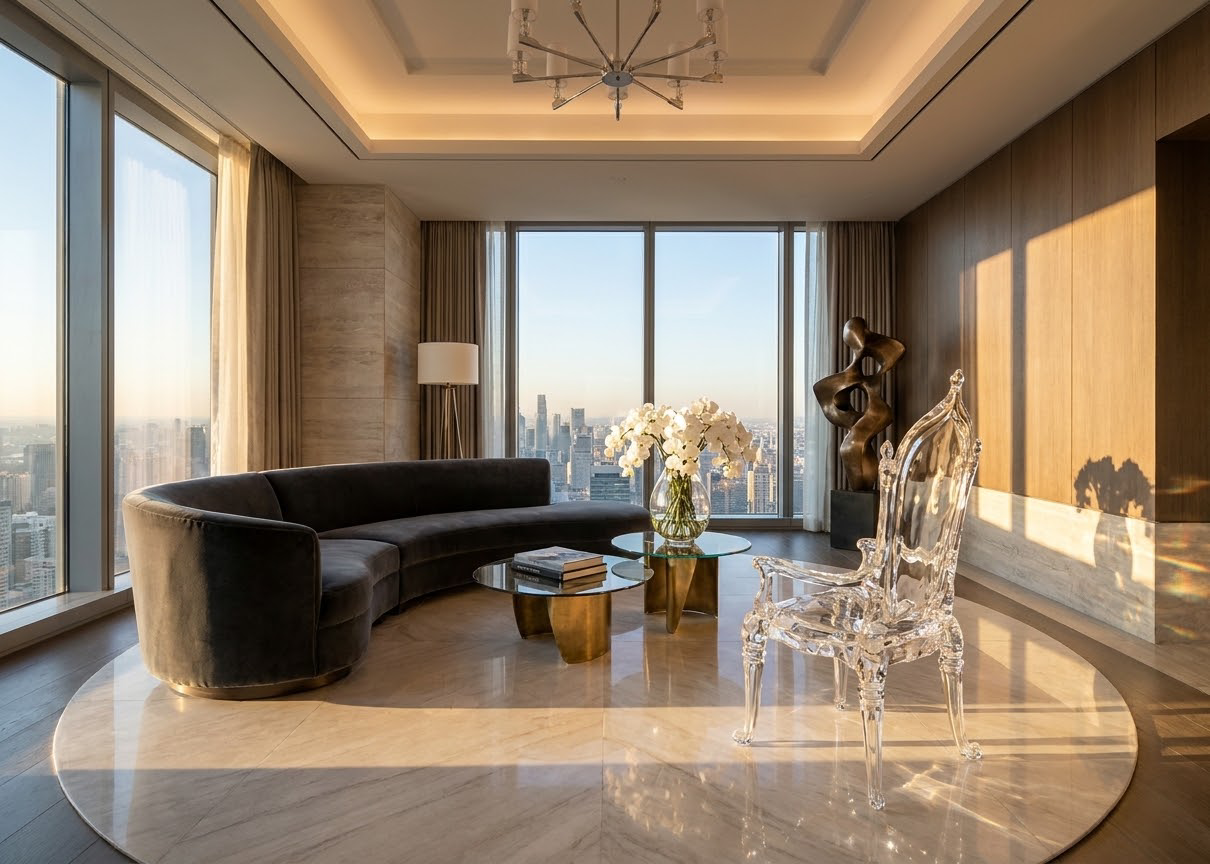
Hospitality: Luxury hotel custom furniture solutions including lobby furniture, restaurant transparent dining table sets, and suite decor
Retail: Display tables, acrylic chairs and stools for fitting rooms, and window display pieces for premium brands
Office: Meeting room tables, reception area transparent design console table, and lounge furniture
Entertainment: High-end crystal billiard table for private clubs, acrylic piano accessories for luxury venues, and bar counters
Synthetic crystal furniture for commercial engineering projects requires additional structural certification to meet public safety standards.
5. Collaboration Between Developers, Designers, and Manufacturers
5.1 Effective Communication for Project Alignment
Successful project execution depends on seamless collaboration between all stakeholders. For architects, interior designers, and custom furniture manufacturers, clear communication prevents costly reworks and delays.
Best practices for cross-team collaboration:
Use shared 3D design platforms for real-time feedback on custom design furniture
Hold weekly progress meetings for large-scale commercial projects
Provide detailed technical drawings with all specifications clearly marked
Assign single points of contact for each stakeholder group
For architecture and interior design firms working on tight deadlines, collaborative design tools reduce revision cycles by 40% on average.
5.2 Tailored Solutions for Different Client Segments
Different client groups have distinct priorities when it comes to custom acrylic furniture for architects and interior designers. Understanding these priorities helps developers deliver targeted value.
Client segment priorities in 2026:
Hotel procurement managers: On-time delivery, durability, and consistent quality across multiple locations
High-end hotel groups: Brand alignment, exclusivity, and luxury aesthetic appeal
Commercial space design and decoration companies: Customization flexibility and competitive pricing
Private residential clients: Unique design and premium craftsmanship
Designer transparent coffee tables and decorative furniture are among the most requested items for both residential and commercial clients.
6. Future Trends and Long-Term Project Success
6.1 2026 and Beyond: Transparent Furniture Market Trends
The market for synthetic crystal furniture is evolving rapidly, with new technologies and design trends shaping the industry. Staying ahead of these trends helps developers maintain competitive advantage.
Key trends driving the 2026 market:
Sustainable acrylic materials made from recycled content, reducing environmental impact
Smart furniture integration with LED lighting and wireless charging capabilities
Bio-resin transparent materials as an eco-friendly alternative to traditional acrylic
Increased demand for application of transparent materials in furniture design for mixed-use spaces
As of 2026, sustainable transparent furniture options account for 27% of all premium furniture orders, a 15% increase from the previous year.
6.2 Building Long-Term Success in Furniture Project Execution
Long-term success in the custom transparent furniture industry requires continuous improvement and strong client relationships. For developers and manufacturers, investing in capabilities and client partnerships drives sustained growth.
Strategies for long-term project success:
Invest in R&D for new materials and processing technologies
Build long-term partnerships with key clients like high-end hotel groups and design firms
Maintain a portfolio of successful projects to showcase capabilities
Regularly update quality standards to meet evolving industry requirements
For custom furniture manufacturers serving B2B clients, reputation for reliability and quality is the most valuable asset for driving repeat business.


