For interior designers, architects, and hotel procurement managers, turning a vision for synthetic crystal furniture into a physical product that matches every detail of the design is one of the most challenging parts of a project. In the 2026 market, demand for designer transparent furniture, acrylic furniture and decor, and high-end transparent furniture continues to rise, especially in luxury hospitality and high-end residential spaces.
However, many projects face costly delays, quality issues, or design mismatches because of poor material selection or misalignment with custom furniture manufacturers. This guide breaks down the process of translating design concepts into custom products accurately, with a focus on avoiding the biggest risks in material choice and factory coordination.
1. Why Transparent Furniture Is Dominating 2026 Interior Design Trends
Transparent furniture has moved from a niche trend to a staple in modern and luxury interiors. Its ability to blend into any space while adding a sense of lightness and sophistication makes it a top choice for designers and clients alike.
1.1 Core Advantages of Transparent Furniture in Interior Design
The advantages of transparent furniture in interior design go far beyond aesthetics. For small or narrow spaces, transparent pieces create an illusion of more room, making them ideal for urban apartments and boutique hotel rooms.
Key benefits include:
Visual lightness that prevents spaces from feeling cluttered
Versatility that works with minimalist, modern, and even classic design themes
Easy coordination with other materials like wood, metal, and stone
Durability that matches or exceeds traditional furniture when using high-quality materials
For commercial spaces, acrylic furniture and decor also offer practical benefits such as easy maintenance and resistance to scratches, which is critical for high-traffic areas.
1.2 Growing Demand for Custom Synthetic Crystal Furniture in Commercial Projects
The demand for synthetic crystal furniture for commercial engineering projects has surged in 2026, driven by luxury hotel groups, restaurant chains, and high-end retail brands. These clients want unique, statement-making pieces that reflect their brand identity.
Common commercial applications include:
Designer transparent coffee tables and decorative furniture in hotel lobbies
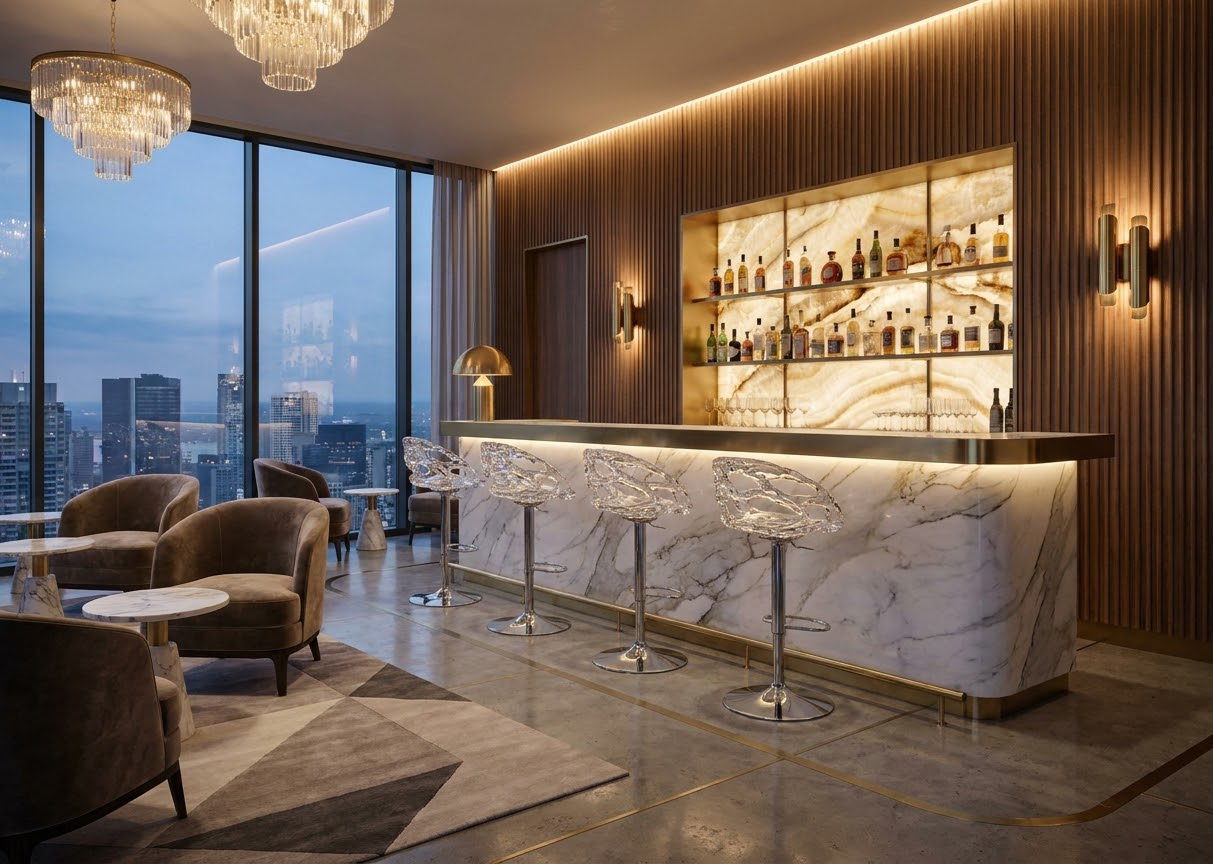
Acrylic bar counters in upscale restaurants and rooftop lounges
Transparent design console tables in boutique retail stores
High-end crystal billiard tables in luxury hotel entertainment areas
For custom furniture designers working with commercial clients, the ability to deliver accurate, high-quality custom design furniture is a major competitive advantage.
2. Key Material Selection Risks for Custom Transparent Furniture
Choosing the right material is the foundation of a successful custom furniture project. With so many options on the market, from acrylic to transparent resin, it’s easy to select a material that looks good on paper but fails to meet performance or aesthetic expectations.
2.1 Common Material Misconceptions and Quality Risks
One of the biggest mistakes is assuming all transparent materials are the same. In reality, there are significant differences in optical clarity, mechanical strength, and long-term durability between different types of transparent furniture materials.
Common material risks include:
Low-grade acrylic that yellows after 1-2 years of UV exposure
Transparent resin furniture with visible bubbles or uneven clarity
Plexiglass furniture that scratches easily and loses its high-gloss finish
Materials that claim to be "synthetic crystal" but are actually standard acrylic
To avoid these issues, always verify the material’s specifications, including acrylic sheet thickness, optical clarity of transparent materials, and mechanical strength of synthetic crystal materials. For high-end projects, request material samples and test them under real-world conditions.
2.2 Matching Material Properties to Design and Functional Requirements
Different projects require different material properties. A synthetic crystal chandelier, for example, needs exceptional optical clarity to refract light properly, while a transparent dining table needs high mechanical strength to support heavy weights.
Key factors to consider when selecting materials:
Load-bearing capacity: Critical for tables, chairs, and shelving units
UV resistance: Essential for outdoor or sunlit indoor spaces
Scratch resistance: Important for high-traffic commercial areas
Thermal stability: Necessary for pieces near heat sources
Edge finish quality: Affects the overall luxury feel of the piece
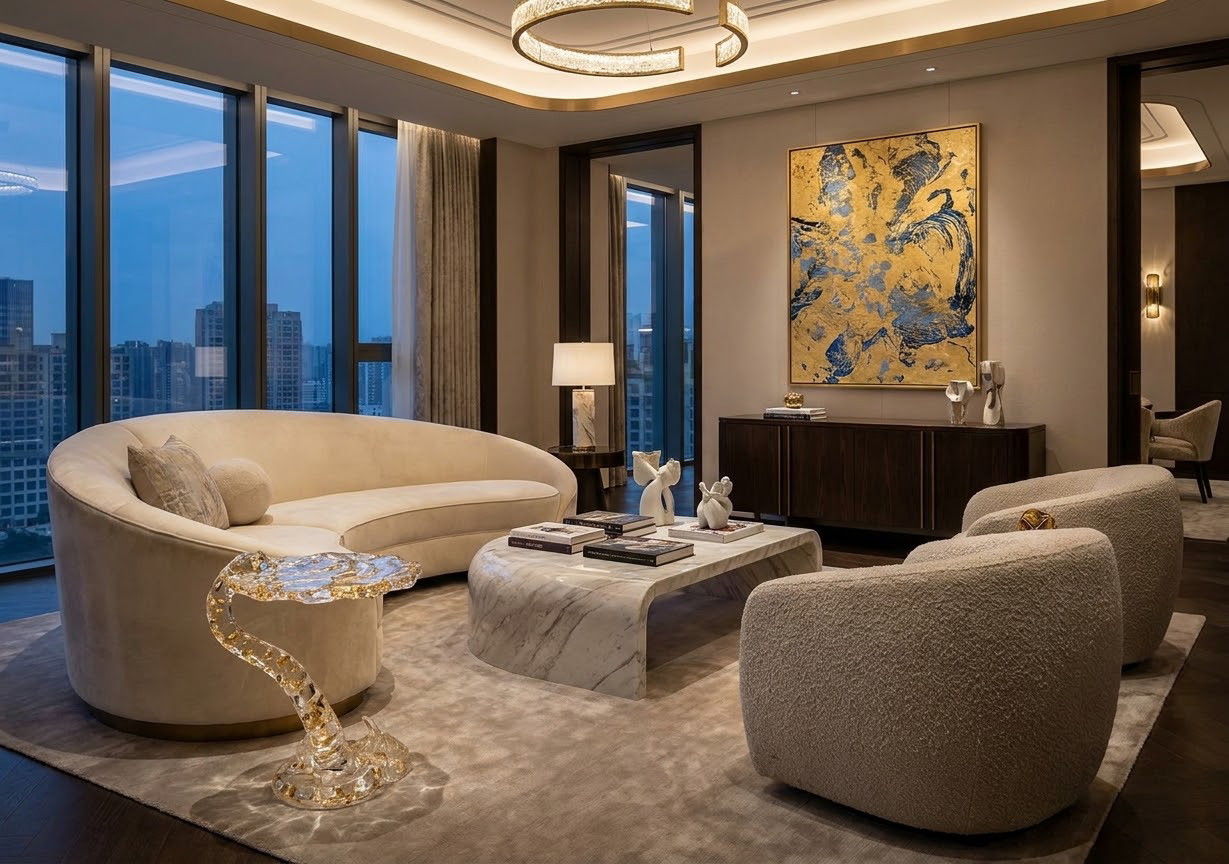
For custom synthetic crystal furniture that needs to make a bold design statement, high-thickness acrylic structures are often the best choice, as they provide both visual impact and structural integrity.
3. How to Evaluate and Select a Reliable Custom Furniture Manufacturer
Even the best design will fail if executed by an inexperienced factory. Choosing the right custom furniture manufacturer is one of the most critical decisions in the entire process, especially for high-end transparent furniture projects.
3.1 Core Capabilities to Assess in a Transparent Furniture Factory
Not all furniture factories have the expertise to work with transparent materials. Fine processing technology of acrylic materials requires specialized equipment and skilled craftsmen, especially for complex shapes and high-gloss finishes.
Key capabilities to look for:
Experience with custom furniture design and development for transparent materials
Advanced equipment for cutting, polishing, and shaping acrylic and synthetic crystal
Quality control processes that ensure consistent optical clarity and finish
Ability to handle custom furniture size and shape requirements
Track record of working with high-end furniture brands and enterprises
For architects and interior designers, it’s also important to choose a factory that can provide 3D prototypes and sample pieces before full production begins. This helps catch design issues early and reduces the risk of costly reworks.
3.2 Red Flags to Avoid When Choosing a Manufacturer
Many project delays and quality issues stem from choosing a manufacturer based solely on price. In the 2026 market, there are many factories that claim to produce high-end transparent furniture but lack the necessary expertise.
Common red flags include:
Unrealistically low prices that suggest use of low-quality materials
Lack of portfolio or references for similar custom transparent furniture projects
Vague answers about material specifications or production processes
No dedicated quality control team or inspection process
Long communication delays or lack of transparency about production timelines
For hotel procurement managers working on luxury hotel custom furniture solutions, partnering with an experienced factory can save both time and money in the long run, even if the initial cost is slightly higher.
4. Critical Steps in Design Translation and Prototyping
The gap between a design concept and a finished product is where most projects go wrong. A clear, structured design translation process ensures that every detail—from dimensions to finish—is accurately communicated and executed.
4.1 Best Practices for Communicating Design Intent to Factories
Clear communication is the backbone of successful custom furniture production. Many misunderstandings arise because design files lack critical details or use ambiguous terminology.
To ensure accurate communication:
Provide detailed 2D and 3D CAD files with exact dimensions
Specify material grade, acrylic sheet thickness, and finish requirements
Include reference images of the desired look and feel
Define tolerance levels for dimensions and optical clarity
Document all edge processing and polishing technology requirements
For custom acrylic furniture for architects and interior designers, it’s also helpful to schedule regular design review meetings with the factory’s engineering team. This allows both sides to address potential manufacturing challenges early in the process.
4.2 The Role of Prototyping in Reducing Production Risks
Prototyping is an essential step that many clients skip to save time or money, but it’s actually one of the best ways to reduce overall project risk. A physical prototype allows you to test both the aesthetic and functional aspects of the design before full production.
Key benefits of prototyping:
Verify that the material’s optical clarity matches the design vision
Test the structural stability and mechanical strength of the piece
Check the quality of edge finishes and high-gloss surfaces
Identify design flaws that may not be visible in digital renderings
Make adjustments to size, shape, or details before mass production
For high-value pieces like custom synthetic crystal furniture or high-end crystal billiard tables, prototyping is especially critical, as production errors can be extremely costly.
5. Common Factory Coordination Challenges and Solutions
Even with a great design and a reliable factory, coordination issues can still arise. Differences in time zones, language, and production standards can lead to delays, miscommunication, and quality problems.
5.1 Top Coordination Risks in Custom Transparent Furniture Projects
Transparent furniture production has unique coordination challenges that don’t apply to traditional furniture. Because even small imperfections are highly visible in clear materials, strict quality control and clear communication are essential.
Common coordination risks include:
Misinterpretation of design details due to language or cultural barriers
Delays in material sourcing that push back production timelines
Quality inconsistencies between prototype and mass production
Lack of real-time updates on production progress
Issues with packaging and shipping that damage delicate transparent surfaces
For commercial engineering furniture project companies working on tight deadlines, these risks can have serious consequences for client satisfaction and project profitability.
5.2 Proven Strategies for Smooth Factory Collaboration
The good news is that most coordination issues are preventable with the right processes and tools. In 2026, many leading custom furniture manufacturers use digital project management tools to keep clients updated in real time.
Effective coordination strategies:
Assign a dedicated project manager to serve as the single point of contact
Use cloud-based project management tools to share files and track progress
Schedule weekly production update meetings to address issues promptly
Conduct mid-production inspections to catch quality issues early
Define clear timelines, milestones, and penalty clauses for delays
For architecture and interior design firms that manage multiple projects at once, establishing a long-term partnership with a trusted factory can significantly reduce coordination overhead and improve overall project outcomes.
6. Future Outlook: Transparent Furniture Innovation in 2026 and Beyond
The transparent furniture industry is evolving rapidly, with new materials, technologies, and design possibilities emerging every year. Staying ahead of these trends can help designers, brands, and procurement teams create more innovative and competitive products.
6.1 Latest Innovations in Synthetic Crystal and Acrylic Furniture
In 2026, several key innovations are reshaping the custom transparent furniture market. From advanced materials to smart manufacturing technologies, these developments are making it easier than ever to bring complex design concepts to life.
Notable innovations:
New UV-resistant acrylic formulas that prevent yellowing for 10+ years
3D printing technology for creating complex transparent furniture shapes
Nano-coatings that make transparent surfaces scratch-resistant and easy to clean
Sustainable acrylic made from recycled materials for eco-conscious clients
Integrated LED lighting in synthetic crystal tables and chandeliers
These innovations are expanding the application of transparent materials in furniture design, allowing for more creative and functional pieces than ever before.
6.2 How to Future-Proof Your Custom Furniture Projects
To stay competitive in the fast-changing furniture market, it’s important to choose partners and materials that can adapt to future trends. For high-end furniture brands and enterprises, this means investing in flexible production capabilities and innovative materials.
Tips for future-proofing your projects:
Partner with factories that invest in R&D and new manufacturing technologies
Choose materials that meet current and future sustainability standards
Stay updated on the latest trends in modern design furniture
Build long-term relationships with suppliers who can support custom innovation
Consider multi-functional designs that adapt to changing user needs
For catering enterprises and chain catering groups, as well as hotel and commercial space designers, future-proofing also means choosing furniture that can be easily updated or reconfigured to keep up with changing design trends.
As the demand for synthetic crystal furniture for modern interior spaces continues to grow, the ability to accurately translate design concepts into high-quality custom products will become an increasingly valuable skill. By understanding the risks in material selection and factory coordination, and by following best practices for design communication and prototyping, you can ensure that your custom transparent furniture projects are delivered on time, on budget, and exactly as envisioned.


