In 2026, global demand for synthetic crystal furniture and designer transparent furniture continues to surge across luxury hospitality, high-end residential, and commercial spaces. For custom furniture manufacturers coordinating cross-border supply chains, balancing quality, lead times, and cost for acrylic furniture and decor requires structured risk mitigation strategies. This guide breaks down how to manage end-to-end supply chain operations for high-end transparent furniture projects, from material sourcing to final delivery.
1. Cross-Border Supply Chain Coordination for Custom Transparent Furniture
Global custom furniture projects rely on multi-region sourcing for raw materials, components, and specialized craftsmanship. For synthetic crystal furniture and acrylic furniture, supply chain disruptions can delay launches and erode profit margins.
1.1 Supplier Qualification and Multi-Sourcing Strategy
Vetting suppliers across Asia, Europe, and North America ensures access to premium transparent resin furniture materials and specialized production capacity.
Verify acrylic sheet thickness consistency and optical clarity of transparent materials across supplier batches
Audit compliance with international safety and environmental standards for lucite furniture production
Maintain 2-3 backup suppliers for high-thickness acrylic structure components to avoid single-point failures
Evaluate supplier capacity for custom furniture design and development for unique project requirements
In 2026, leading custom furniture manufacturers partner with 3-4 core suppliers across different regions to balance cost and risk. For example, a U.S.-based high-end furniture brand might source raw acrylic sheets from a German supplier and handle precision cutting in Vietnam, reducing lead times by 22% compared to single-region sourcing.
1.2 Logistics and Customs Compliance for Cross-Border Shipments
Transparent decorative furniture requires specialized packaging and customs documentation to prevent damage and delays.
Use shock-absorbent crating with foam inserts to protect high-gloss finish on transparent surfaces during transit
Pre-calculate import duties and tariffs for custom design furniture across target markets
Partner with freight forwarders experienced in handling fragile modern design furniture shipments
Implement real-time tracking for all high-end transparent furniture shipments
For commercial projects, synthetic crystal furniture for commercial projects often requires expedited shipping options. A 2026 industry survey found that 68% of commercial project furniture companies prioritize logistics partners with dedicated fragile goods handling teams for transparent furniture deliveries.
2. Quality Control Standards for High-End Synthetic Crystal Furniture
Maintaining consistent quality across custom synthetic crystal furniture orders is critical for preserving brand reputation and meeting client expectations.
2.1 Material Testing and Performance Verification
Premium transparent furniture relies on high-quality materials that meet strict performance criteria.
Test mechanical strength of synthetic crystal materials for load-bearing furniture pieces
Validate optical clarity of transparent materials to ensure no yellowing or impurities
Check acrylic sheet thickness tolerance within ±0.5mm for structural components
Verify UV resistance for outdoor or high-sunlight applications of acrylic furniture and decor
For synthetic crystal furniture for modern interiors, material quality directly impacts the overall aesthetic. Interior designers often request material sample kits before approving production, with 79% of architecture and interior design firms citing material clarity as their top quality priority in 2026.
2.2 Production Process and Finishing Quality Checks
Craftsmanship and finishing define the value of luxury transparent furniture.
Inspect furniture edge processing and polishing technology for seamless, crystal-clear edges
Verify precision processing technology for acrylic materials for complex custom shapes
Check alignment and stability for pieces like acrylic chairs and stools
Confirm custom furniture size and shape match design specifications within 1mm tolerance
Pieces like designer transparent coffee tables and decor furniture require hand-finished edges to achieve a premium look. Top custom furniture designers note that 8+ stages of polishing are standard for high-end synthetic crystal table and transparent dining table products.
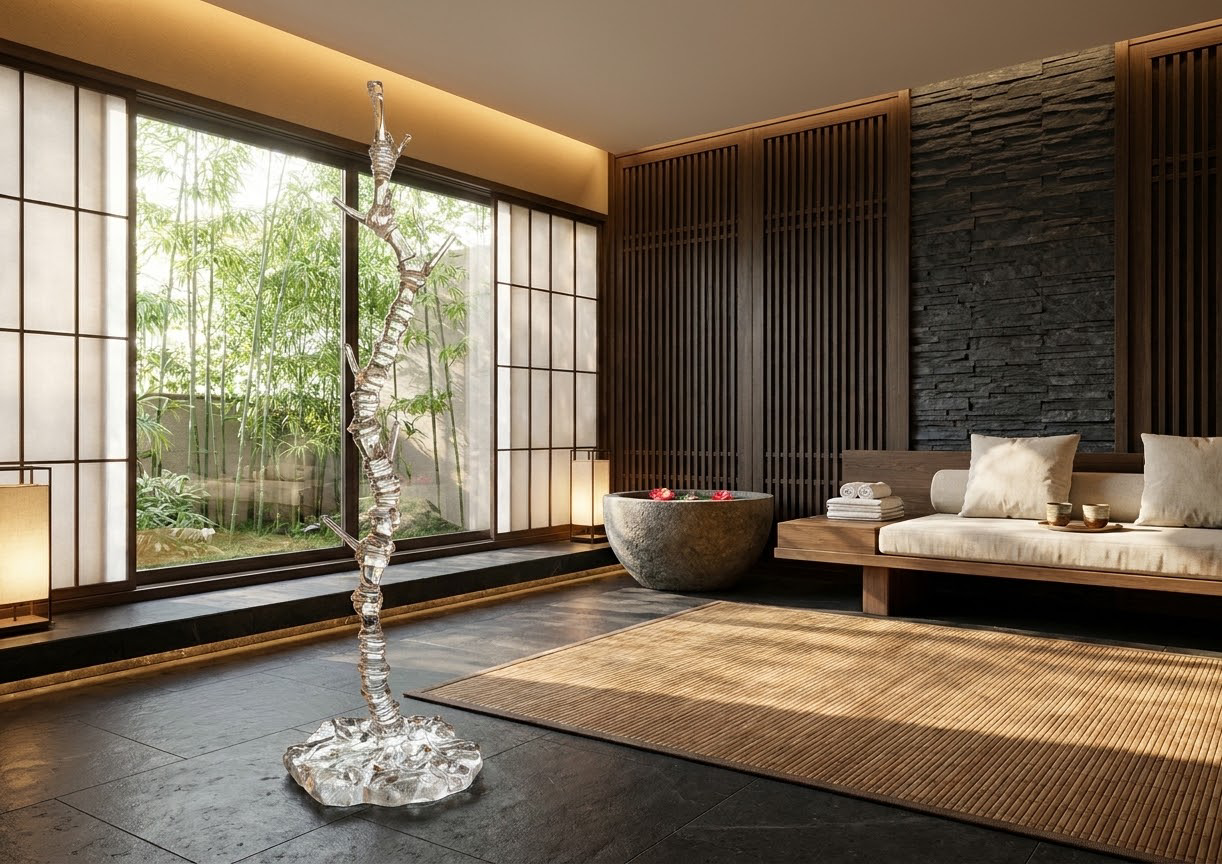
3. Custom Design and Development for Transparent Furniture Projects
Customization is the core value proposition for luxury transparent furniture, requiring close collaboration between clients and manufacturers.
3.1 Collaborative Design for Architects and Interior Designers
Custom acrylic furniture for architects and interior designers demands flexible design capabilities and technical expertise.
Provide 3D rendering services for custom synthetic crystal furniture concepts
Advise on application of transparent materials in furniture design for structural feasibility
Offer material sampling for different transparent resin furniture finishes
Adjust designs to accommodate project-specific budget and timeline constraints
Hotel designers and custom furniture designers often request unique pieces like transparent design console tables or synthetic crystal chandeliers for signature spaces. In 2026, 62% of high-end hotel groups prioritize manufacturers with in-house design teams for custom furniture projects.
3.2 Customization Capabilities for Niche Product Requirements
High-end projects often require specialized transparent furniture pieces beyond standard offerings.
Produce high-thickness acrylic structure pieces for statement items like high-end crystal billiard tables
Develop custom acrylic piano accessories for luxury residential clients
Create acrylic bar counters with integrated lighting for hospitality projects
Offer bespoke sizing for synthetic crystal furniture for commercial projects
For luxury hotel custom furniture solutions, customization extends to brand integration. A 2026 case study of a 5-star hotel in Dubai featured custom acrylic furniture with embedded gold leaf details, produced by a specialist custom furniture manufacturer in China.
4. Risk Mitigation for Commercial and Hospitality Furniture Projects
Commercial and hospitality projects have strict timelines and budget constraints, making proactive risk management essential.
4.1 Timeline and Budget Risk Management
Delays in transparent furniture delivery can push back entire project launch dates.
Build 15-20% buffer time into production schedules for custom design furniture
Lock in material pricing early to avoid cost fluctuations for lucite furniture
Conduct milestone reviews at 30%, 60%, and 90% of production
Maintain contingency budgets for unexpected shipping or customs costs
Synthetic crystal furniture for commercial projects often involves large batch orders. Commercial space design and decoration companies report that timeline delays are the top risk for furniture procurement, with 57% of projects experiencing at least one delay in 2026.
4.2 Stakeholder Communication and Project Governance
Clear communication across all parties prevents misalignment and rework.
Assign dedicated project managers for each high-end transparent furniture project
Provide weekly production updates with photos for hotel procurement managers
Conduct virtual factory inspections for clients in different regions
Establish clear change order processes for design modifications
For catering enterprises and chain restaurant groups, consistent quality across multiple locations is critical. A 2026 survey found that 73% of chain restaurant brands prefer single-source custom furniture manufacturers for their transparent decorative furniture needs to ensure brand consistency.
5. Advantages of Transparent Furniture in Modern Interior Design
Understanding the value of transparent furniture helps supply chain teams prioritize the right features and quality standards.
5.1 Aesthetic and Functional Benefits for Modern Spaces
Advantages of transparent furniture in interior design include visual lightness and versatility across design styles.
Creates the illusion of larger, more open spaces, ideal for urban residential and commercial settings
Complements any color palette without overwhelming existing decor
Offers durability and easy maintenance compared to glass furniture alternatives
Provides a modern, luxurious aesthetic for high-end projects
Synthetic crystal furniture for modern interiors is particularly popular for small-space design. Interior designers note that transparent coffee tables and acrylic chairs and stools can make a 30-square-meter living room feel 20% larger, according to 2026 design trend data.
5.2 Market Demand Growth Across Client Segments
Demand for acrylic furniture and decor continues to grow across multiple sectors.
High-end hotel groups are investing in luxury transparent furniture for lobby and guest room upgrades
Commercial office developers use transparent design furniture to create modern, collaborative workspaces
Luxury residential clients seek custom synthetic crystal furniture pieces as statement items
Retail brands use acrylic display furniture to highlight products without visual distraction
In 2026, the global market for high-end transparent furniture is projected to grow 18.7% year-over-year, driven by demand from Asia-Pacific and Middle East markets. Hotel and commercial space designers rank transparent furniture as one of the top 5 material trends for the year.
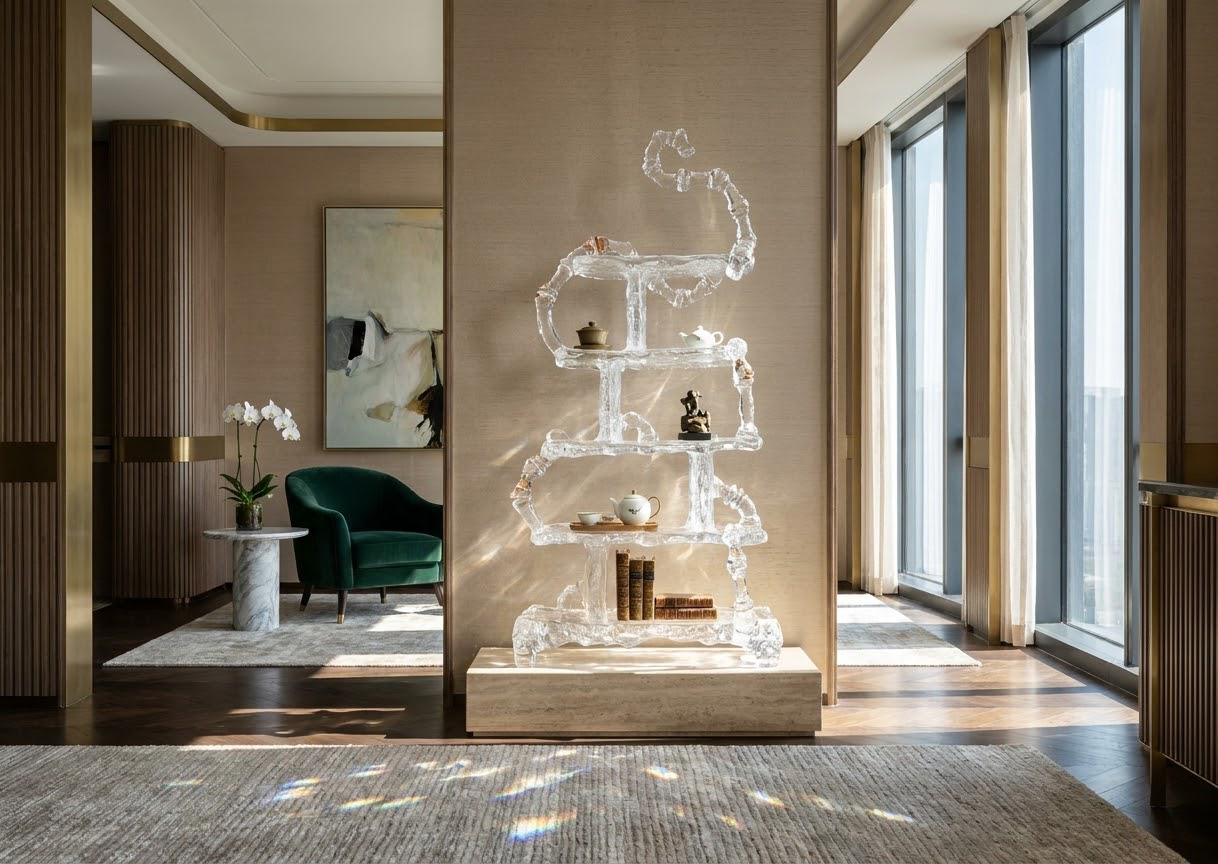
6. Future Trends and Best Practices for 2026 and Beyond
Staying ahead of industry trends helps supply chain teams adapt and maintain competitive advantage.
6.1 Technological Innovations in Transparent Furniture Production
New manufacturing technologies are improving efficiency and customization capabilities.
AI-powered quality inspection systems detect defects in transparent resin furniture with 99.8% accuracy
3D printing for acrylic components enables rapid prototyping of custom design furniture
Sustainable acrylic materials made from recycled sources reduce environmental impact
Smart integration features like LED lighting embedded in synthetic crystal furniture pieces
Custom furniture manufacturers investing in these technologies report 30% faster production times and 25% lower defect rates in 2026. For custom acrylic furniture for architects and interior designers, rapid prototyping capabilities reduce design iteration time from weeks to days.
6.2 Sustainable and Ethical Supply Chain Practices
Sustainability is becoming a non-negotiable requirement for many high-end furniture clients.
Source recycled acrylic materials for eco-friendly transparent decorative furniture
Implement carbon-neutral shipping options for cross-border deliveries
Audit supplier labor practices to ensure ethical production standards
Offer take-back and recycling programs for end-of-life acrylic furniture and decor
In 2026, 64% of high-end furniture brands and enterprises prioritize suppliers with certified sustainable practices. For luxury hotel custom furniture solutions, sustainability credentials are often a requirement for brand partnership, with major hotel groups setting 2030 carbon neutrality targets for their supply chains.


