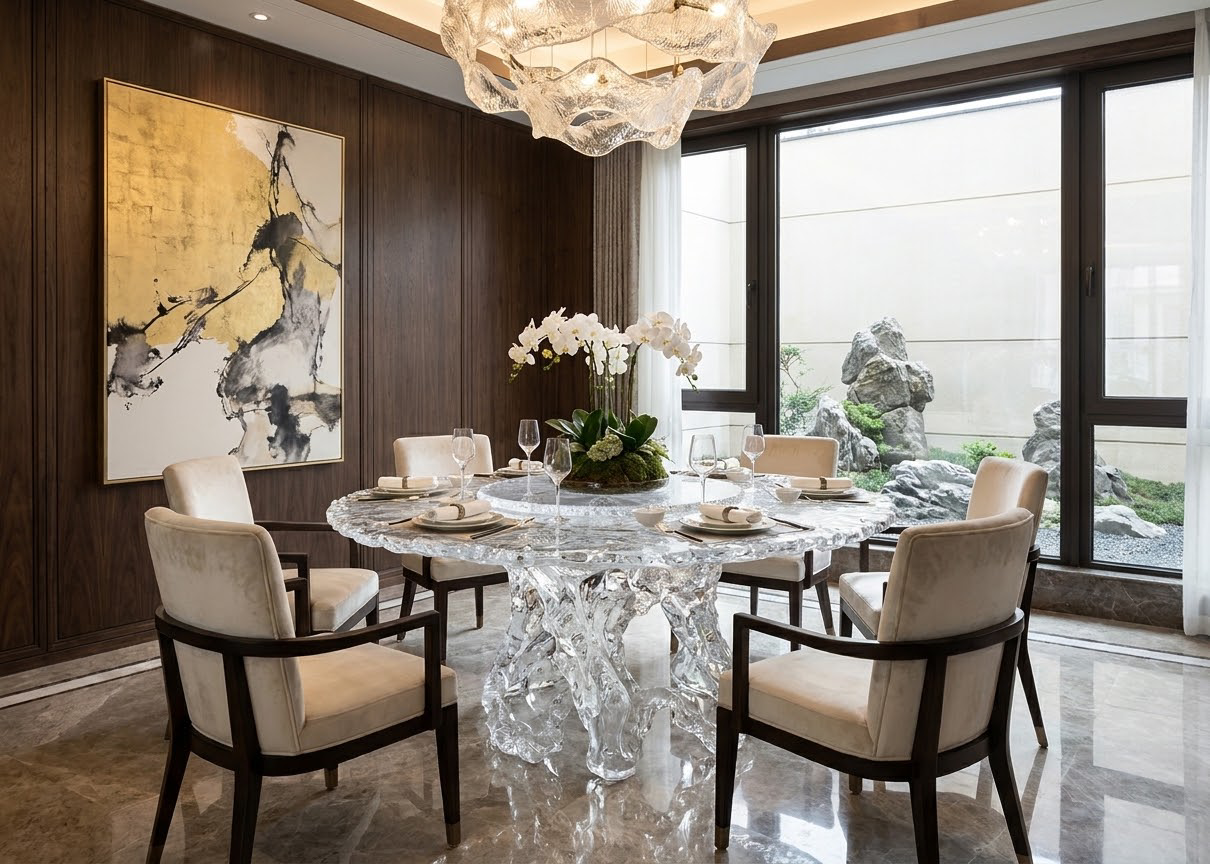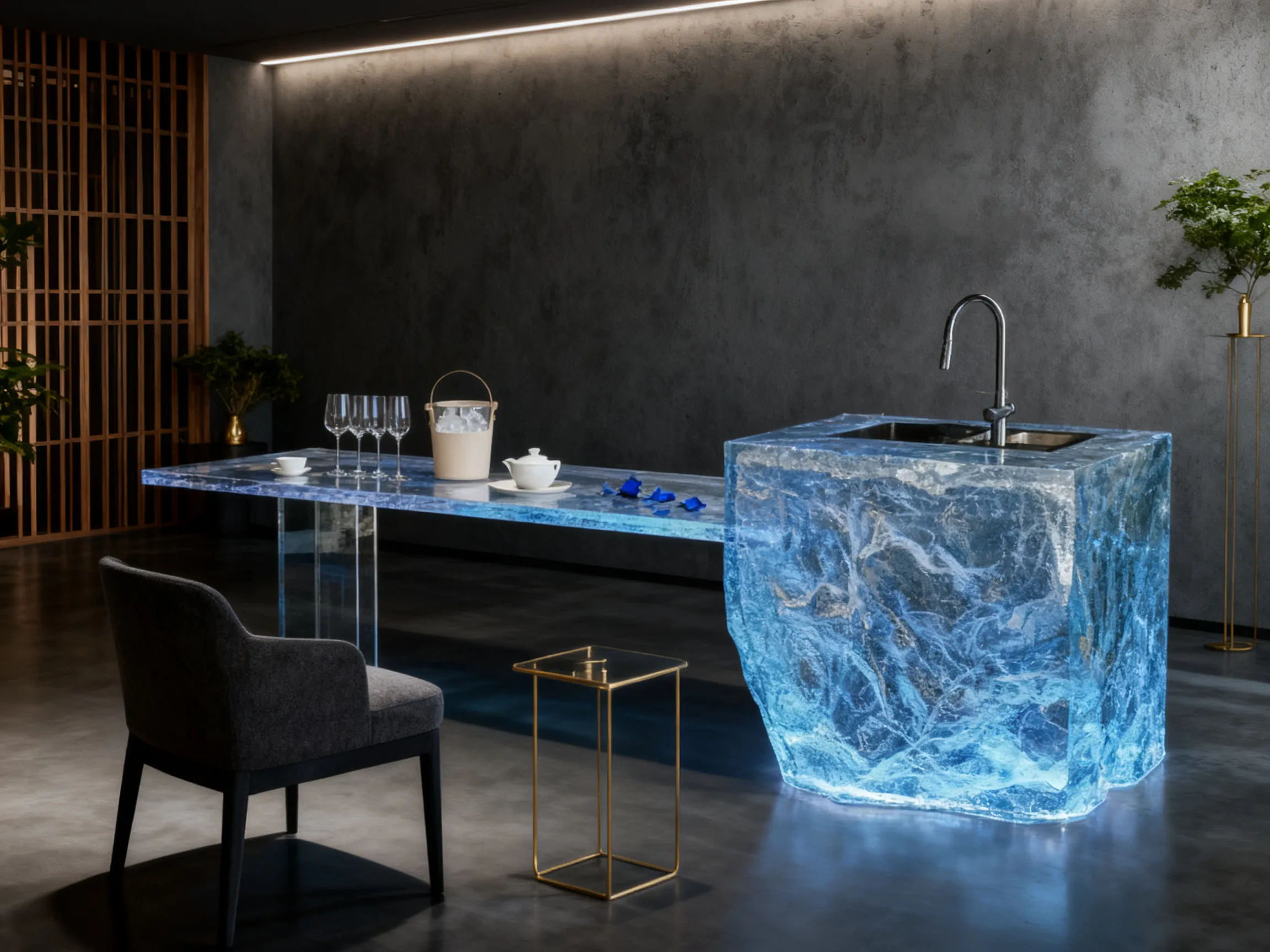
As of 2026, synthetic crystal furniture has emerged as a defining trend in high-end interior design, blending artistic expression with advanced material science. Interior designers increasingly turn to these pieces to create light, airy spaces that balance luxury with modern minimalism. However, achieving complex geometries and flawless surfaces in synthetic crystal furniture remains a significant technical hurdle for manufacturers.
This article breaks down the core engineering and design challenges behind synthetic crystal furniture production, from raw material formulation to final finishing. We also explore 2026’s latest innovations that are pushing the boundaries of what’s possible in transparent furniture design.
1. Material Formulation: The Foundation of High-Performance Synthetic Crystal Furniture
The quality of any synthetic crystal furniture piece starts with its base material formulation. Unlike standard glass or acrylic, crystal furniture requires a precise balance of optical clarity, structural stability, and workability.
1.1 High-Purity Optical Grade Materials: Balancing Clarity and Structural Integrity
At the core of premium synthetic crystal furniture lies high-purity optical grade materials, engineered to deliver 99.8% light transmittance while maintaining structural strength.
Raw material purity directly impacts final surface clarity and reduces internal defects
2026 formulations use modified silica compounds to improve impact resistance without sacrificing transparency
Strict quality control during melting eliminates micro-bubbles that can ruin high-end finishes
For interior designers, this means pieces can be used in high-traffic areas without the risk of clouding or discoloration over time. The material also allows for thinner, more elegant profiles that still meet safety standards for residential and commercial use.
1.2 Custom Material Blends for Specific Furniture Applications
Different furniture pieces require different material properties, leading manufacturers to develop custom blends tailored to each product type.
Synthetic crystal table formulations prioritize scratch resistance and load-bearing capacity
Synthetic crystal chair blends focus on impact resistance and ergonomic formability
Decorative pieces use higher-purity blends for maximum optical effect
2026 data shows that custom-blended materials reduce production waste by 22% compared to one-size-fits-all formulations. This efficiency translates to more competitive pricing for high-end custom projects.
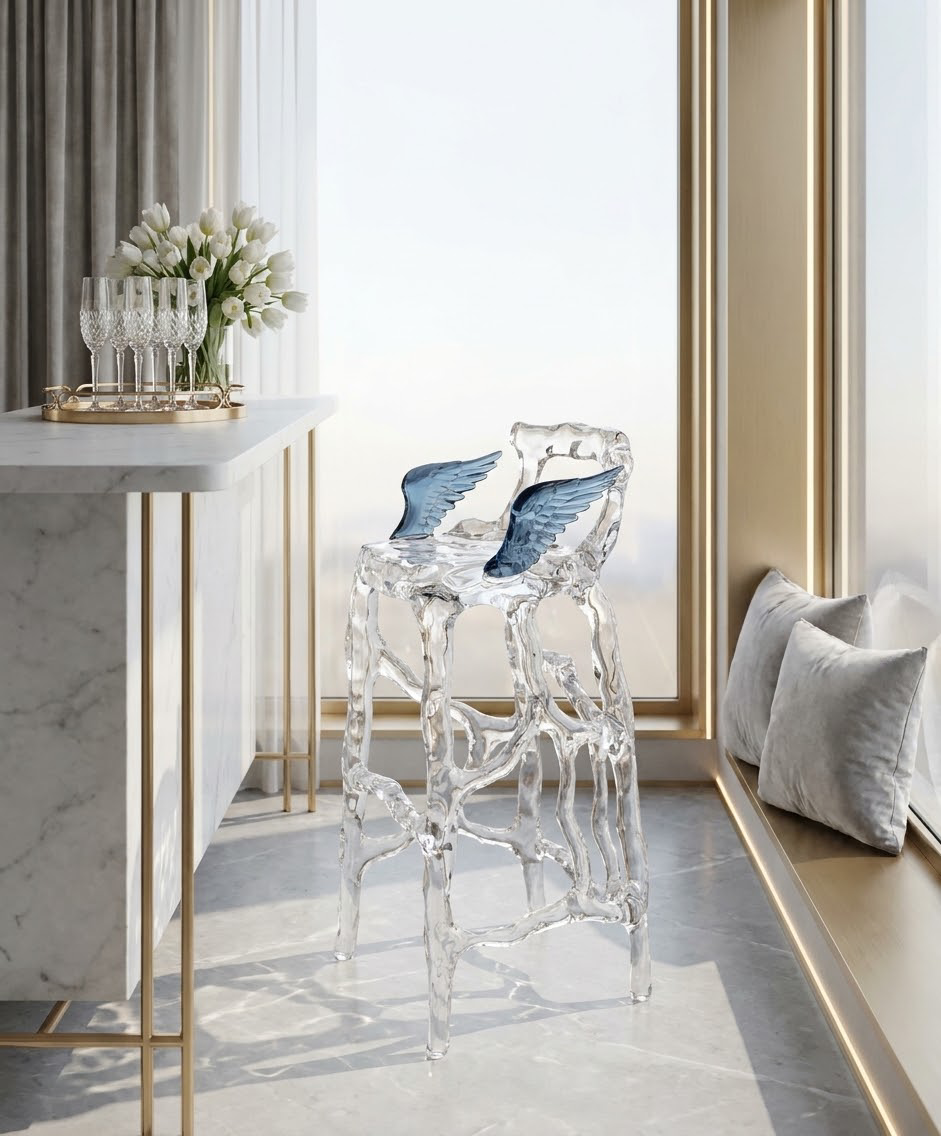
2. Molding and Forming: Achieving Complex Geometries Without Defects
One of the biggest challenges in synthetic crystal furniture production is creating complex, organic shapes without introducing internal stress or surface flaws. Traditional glass-forming techniques often fall short for furniture-scale pieces.
2.1 Precision Molding Technologies for Large-Scale Furniture Pieces
Modern manufacturers use a combination of gravity molding, pressure forming, and 3D-printed molds to create intricate furniture designs.
Gravity molding works best for simple, flowing shapes like table tops
Pressure forming enables sharper edges and more detailed structural elements
3D-printed ceramic molds allow for fully custom, one-of-a-kind designs
In 2026, leading factories report that 3D mold technology has cut custom design lead times by 40% compared to traditional metal mold processes. This speed makes synthetic crystal furniture accessible for tighter project timelines.
2.2 Stress Relief and Annealing Processes for Durability
Even perfectly molded pieces can fail prematurely if internal stress isn’t properly relieved during production. Annealing is a critical step that ensures long-term structural integrity.
Controlled cooling cycles reduce internal stress by up to 95%
Post-molding heat treatment improves high surface hardness and impact resistance
Non-destructive testing (polarized light inspection) verifies complete stress relief
For interior designers specifying pieces for commercial spaces, proper annealing is non-negotiable. It ensures that furniture can withstand temperature changes and regular use without cracking or warping.
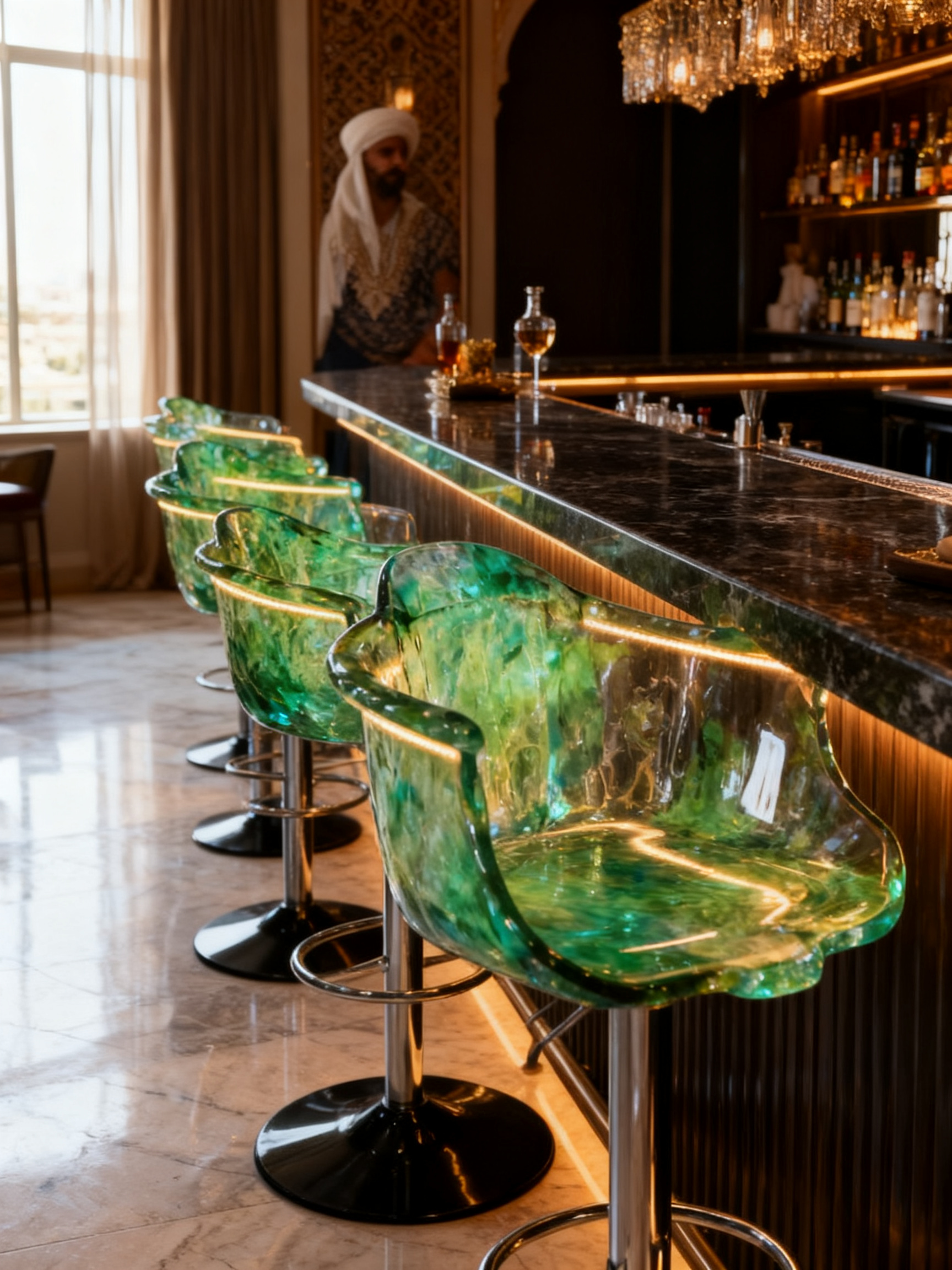
3. Surface Finishing: Delivering Flawless, High-Quality Visual Effects
The surface finish is what sets luxury synthetic crystal furniture apart from mass-produced acrylic or glass alternatives. Achieving a perfect, defect-free surface requires multiple specialized processing steps.
3.1 Multi-Stage Polishing for Optical-Grade Surface Smoothness
Premium synthetic crystal furniture undergoes up to 12 stages of polishing to achieve a mirror-like, distortion-free surface.
Rough grinding removes mold marks and shapes the final profile
Fine polishing uses diamond abrasives to achieve sub-micron smoothness
Final buffing with chemical compounds delivers maximum light refraction
2026 industry benchmarks require that high-end pieces have no visible surface defects when viewed from 30 centimeters away. This level of precision requires skilled artisans and advanced automated polishing equipment.
3.2 Advanced Coating Technologies for Enhanced Performance
To improve durability and maintain appearance over time, manufacturers apply specialized coatings to finished synthetic crystal furniture pieces.
Anti-scratch coatings boost high surface hardness by 30% compared to uncoated crystal
Anti-fingerprint coatings reduce maintenance requirements for high-use pieces
UV-resistant coatings prevent yellowing in sunlit spaces
For residential and hospitality projects, these coatings extend the lifespan of furniture by an estimated 5-7 years. They also reduce the need for specialized cleaning products, making maintenance simpler for end users.
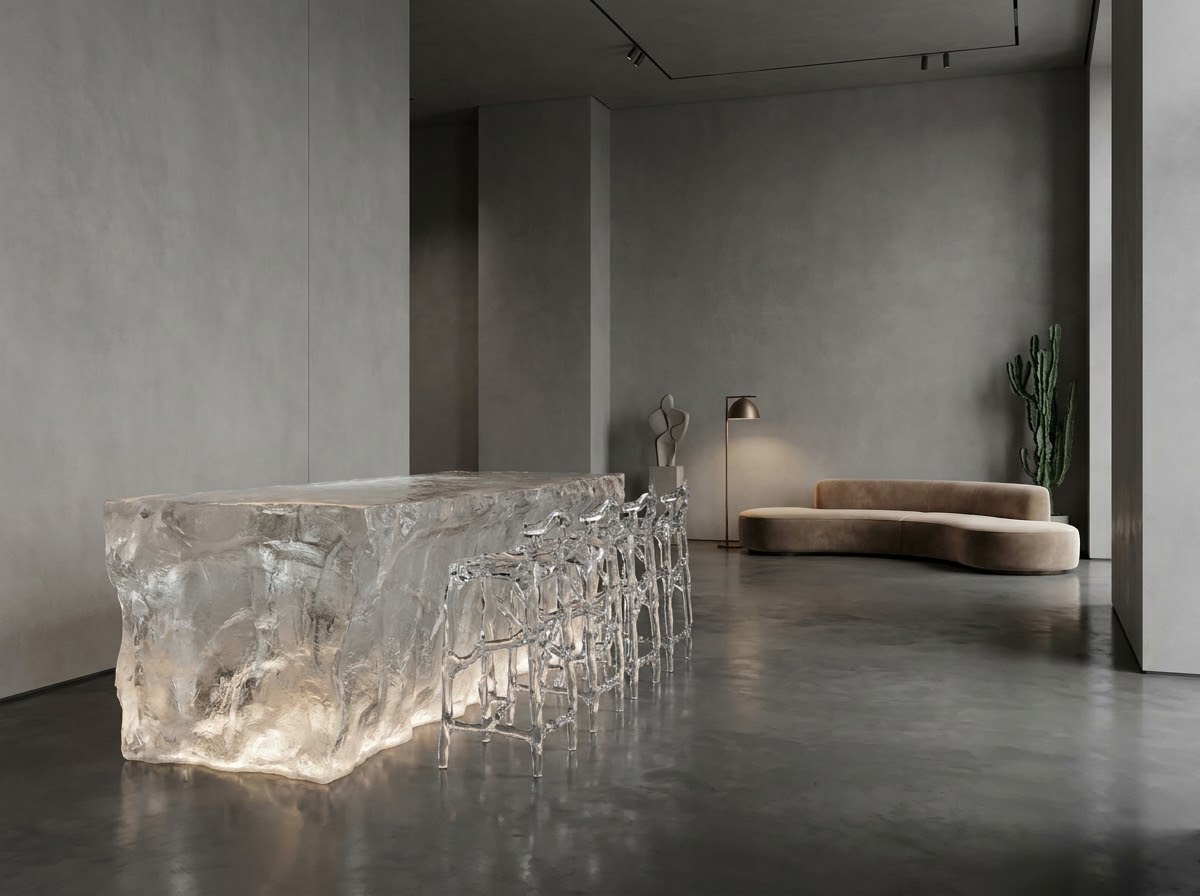
4. Design Integration: Balancing Aesthetics and Functional Requirements
Great synthetic crystal furniture design doesn’t just look good—it also meets practical functional requirements for daily use. Interior designers often face the challenge of balancing visual impact with usability.
4.1 Structural Design Considerations for Furniture Pieces
Transparent materials create unique structural challenges because internal supports and reinforcements are visible to the user.
Load-bearing elements must be designed to be both functional and aesthetically pleasing
Joints between crystal components require special engineering to maintain clarity
Weight distribution is critical for large pieces like dining tables or shelving units
In 2026, many manufacturers use hidden metal or carbon fiber reinforcements that are nearly invisible when properly integrated. This approach maintains the clean, minimalist look of crystal furniture while ensuring structural safety.
4.2 Customization Capabilities for Bespoke Interior Projects
One of the biggest advantages of synthetic crystal furniture (also called artificial crystal furniture in some markets) is its customization potential for high-end residential and commercial projects.
Color tinting can be added during the material formulation stage
Embedded elements like metal flakes or LED lighting can be integrated during molding
Custom engraving or etching adds personalization without compromising surface quality
For interior designers working on luxury projects, this level of customization allows for truly unique pieces that match exact design visions. 2026 trends show a 35% increase in custom crystal furniture orders for boutique hotels and private residences.
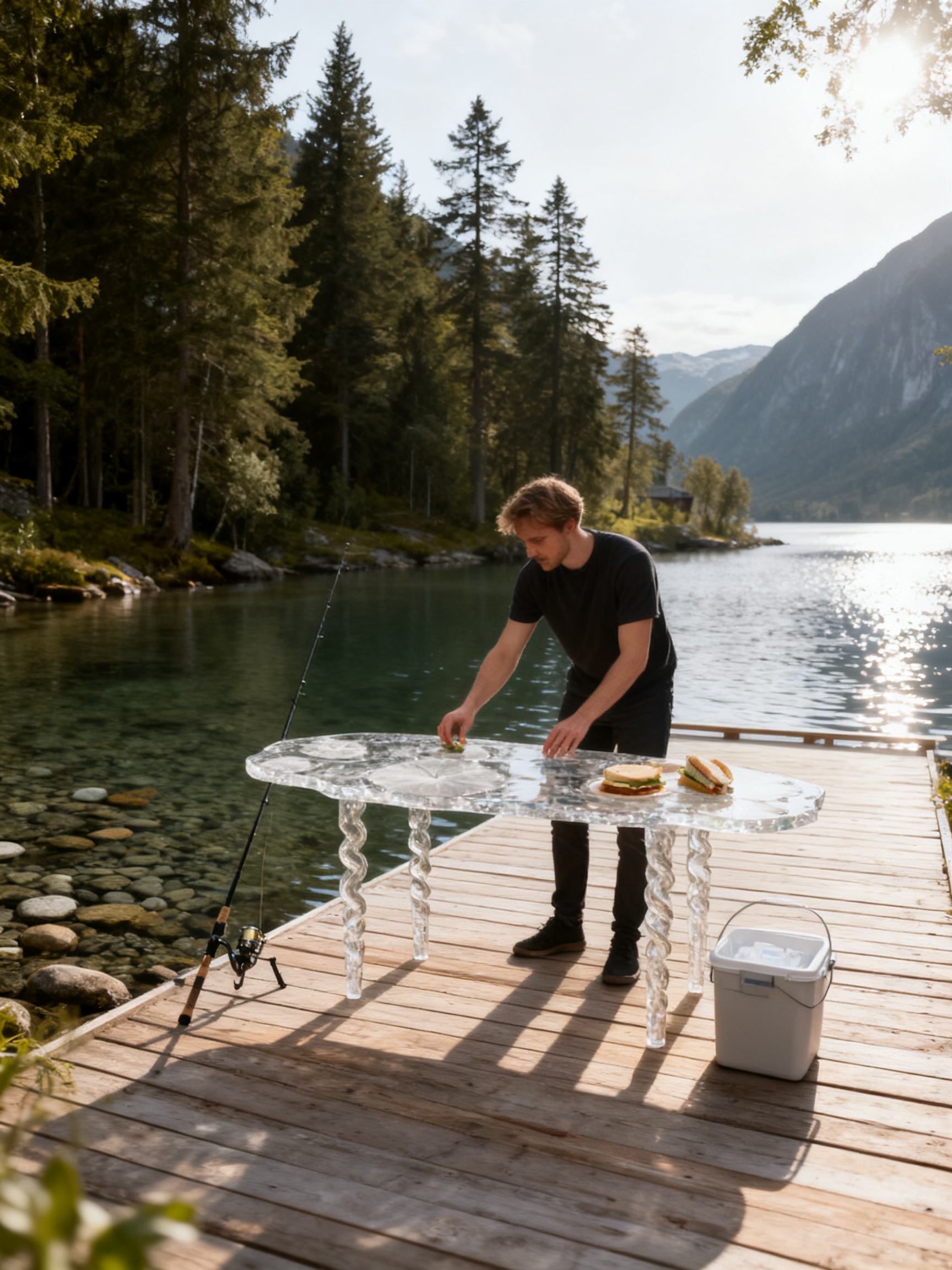
5. 2026 Market Outlook and Future Innovations
The synthetic crystal furniture market continues to evolve rapidly, with new technologies expanding design possibilities and improving production efficiency.
5.1 Current Market Trends and Industry Growth
As of 2026, the global synthetic crystal furniture market is projected to grow at a CAGR of 18.2% through 2030, driven by demand from luxury residential and hospitality sectors.
North America remains the largest market, followed by Asia-Pacific and Europe
Mid-range price points are growing fastest as production costs decrease
Sustainable production methods are becoming a key differentiator for brands
Interior designers increasingly prioritize manufacturers with transparent sustainability practices, including recycled material content and energy-efficient production processes. This shift is pushing the entire industry toward more eco-friendly operations.
5.2 Emerging Technologies Shaping the Future of Crystal Furniture
Several emerging technologies are set to transform synthetic crystal furniture production in the coming years.
AI-powered quality control reduces defect rates by identifying issues early in production
Nanomaterial additives improve strength and clarity without increasing material thickness
Digital twin technology allows designers to test designs virtually before production
These innovations will make high-quality synthetic crystal furniture more accessible, while also enabling even more ambitious design concepts. For interior designers, this means more options for creating stunning, functional spaces that push the boundaries of traditional furniture design.