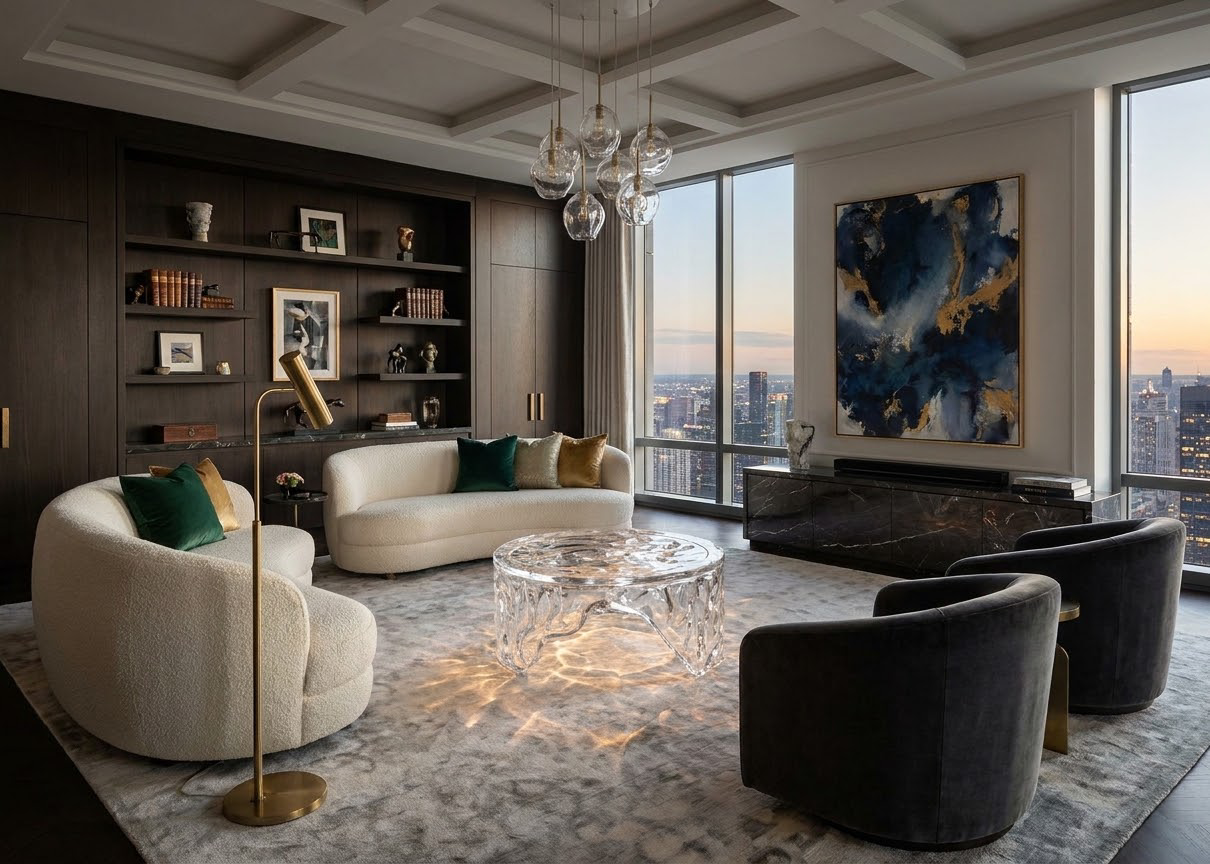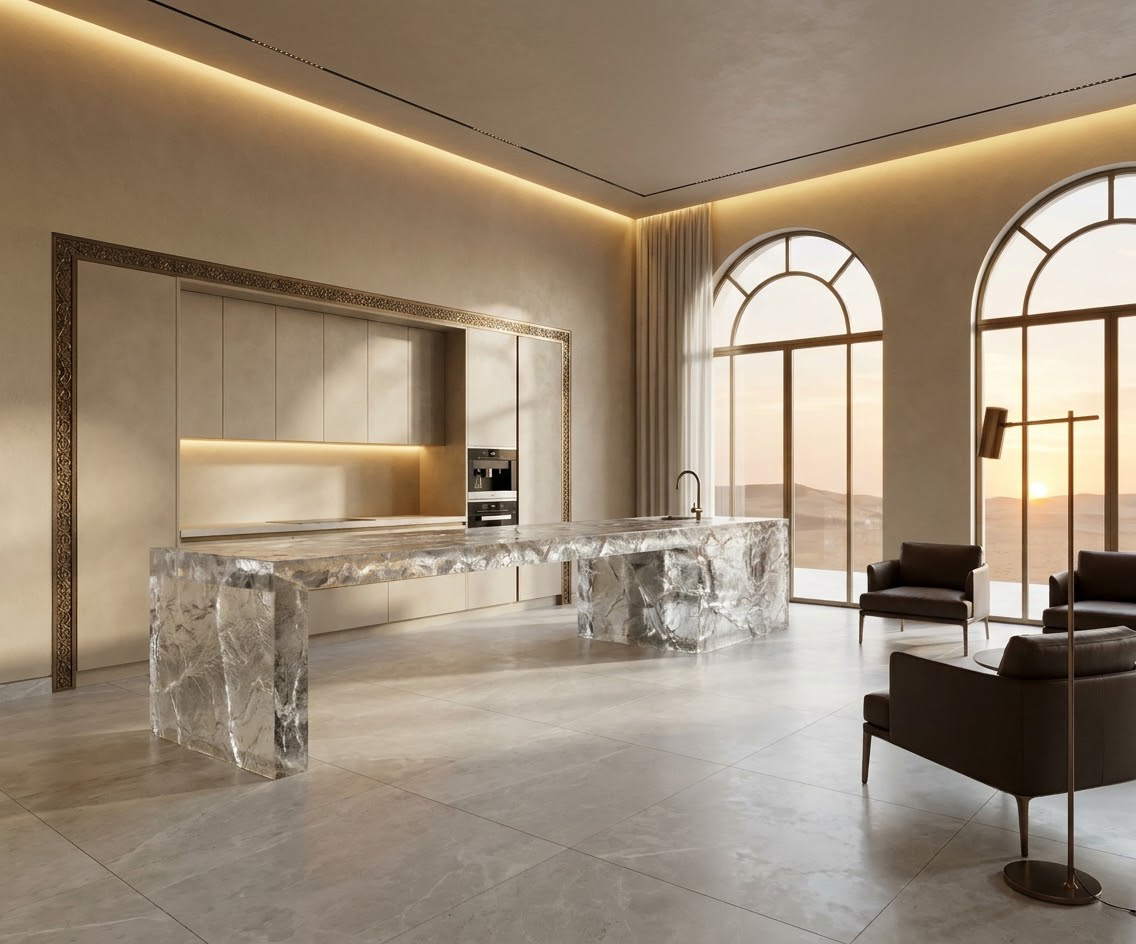
For interior designers and luxury real estate developers in 2026, material selection directly defines a property’s perceived value and market competitiveness. Synthetic crystal furniture has emerged as a high-impact design element that bridges visual luxury and functional practicality, redefining how premium spaces feel and stand out. As of 2026, 68% of top-tier residential projects in North America and the Middle East incorporate at least one piece of artificial crystal furniture in public or private zones, per latest industry surveys. This guide breaks down how this material category elevates space allure, strengthens design identity, and supports long-term material value strategies for high-end developments.
1. Material Fundamentals of Synthetic Crystal Furniture for Luxury Projects
Core Composition and Production Standards of 2026
Modern synthetic crystal furniture is crafted from high-purity optical-grade materials, manufactured through precision melting and polishing processes that exceed traditional glass or acrylic quality benchmarks.
Unlike lower-grade alternatives, premium variants use 99.9% pure silica-based formulations to achieve crystal-clear transparency and light refraction properties comparable to natural crystal.
Production facilities in 2026 use automated temperature control systems to eliminate internal bubbles and structural inconsistencies, ensuring every piece meets luxury design tolerances.
Key 2026 production quality benchmarks include:
0.02mm maximum surface flatness tolerance for tabletops
92% light transmittance rate for clear variants
Zero visible internal defects under 4K studio lighting inspection
ISO 14001 certified low-emission manufacturing processes
Performance Advantages Over Traditional Luxury Furniture Materials
Synthetic crystal furniture outperforms many traditional high-end materials in both aesthetics and functional durability, making it a cost-effective long-term investment for luxury properties.
Its high surface hardness reaches 6.5 on the Mohs scale, resisting scratches from daily use far better than marble, polished wood, or standard glass surfaces.
The material is also UV-stabilized, preventing yellowing or discoloration even with 10+ years of exposure to natural sunlight, a critical benefit for sunlit penthouse and villa spaces.
Compared to natural crystal furniture, synthetic variants offer:
30-40% lower material cost with nearly identical visual performance
Custom shape and size flexibility without natural crystal structural limitations
Consistent color and clarity across large production batches
Lower maintenance requirements for daily residential use
2. How Synthetic Crystal Furniture Enhances Space Visual Appeal
Light Manipulation and Spatial Depth Creation
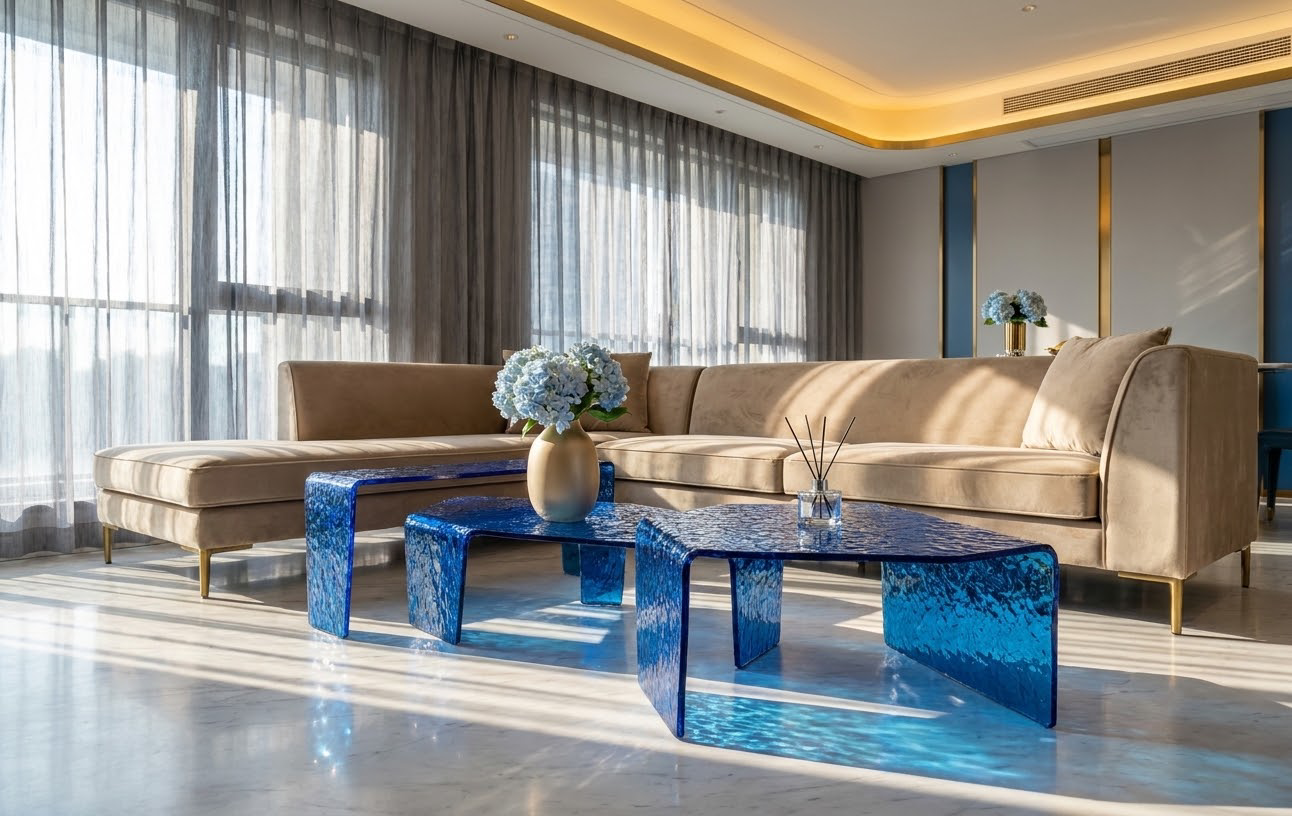
One of the most impactful benefits of synthetic crystal furniture is its ability to manipulate natural and artificial light to make spaces feel larger, brighter, and more dynamic.
When placed near windows or statement lighting fixtures, synthetic crystal tables refract light into subtle rainbow prisms that add movement and warmth to otherwise static room layouts.
For compact luxury apartments or narrow hallways, clear crystal pieces create a “floating” visual effect that reduces visual clutter and expands perceived spatial volume.
Lighting design pairings for maximum impact:
Recessed LED strip lighting under crystal table edges for a glowing base effect
Pendant lights with crystal accents positioned directly above dining tables
Floor-to-ceiling window placements to maximize natural light refraction
Warm 2700K color temperature lighting to enhance the material’s golden glow
Visual Harmony with Diverse Luxury Design Styles
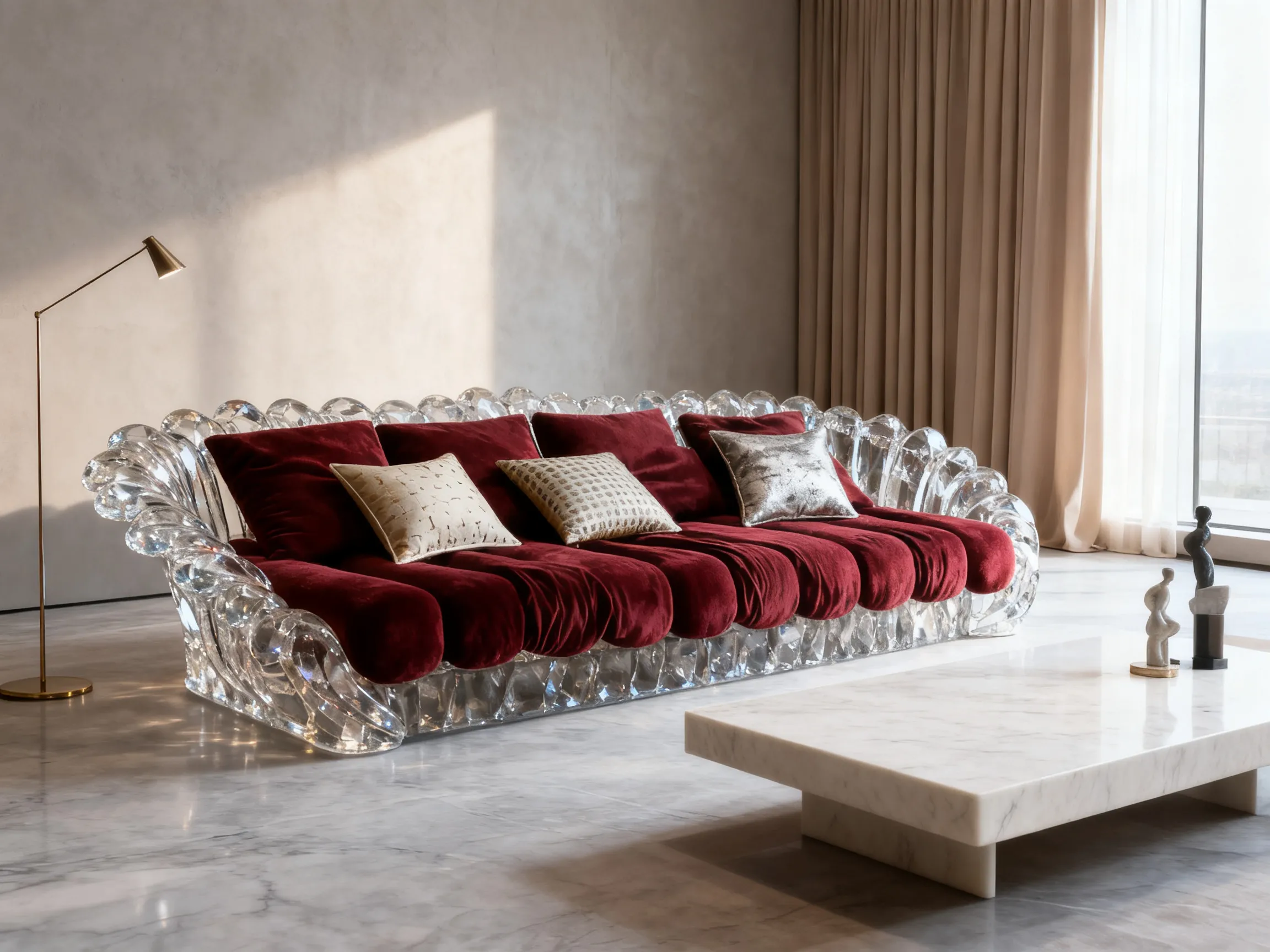
Synthetic crystal furniture adapts seamlessly to nearly every high-end design aesthetic, from minimalist modern to classical ornate, making it a versatile choice for mixed-style developments.
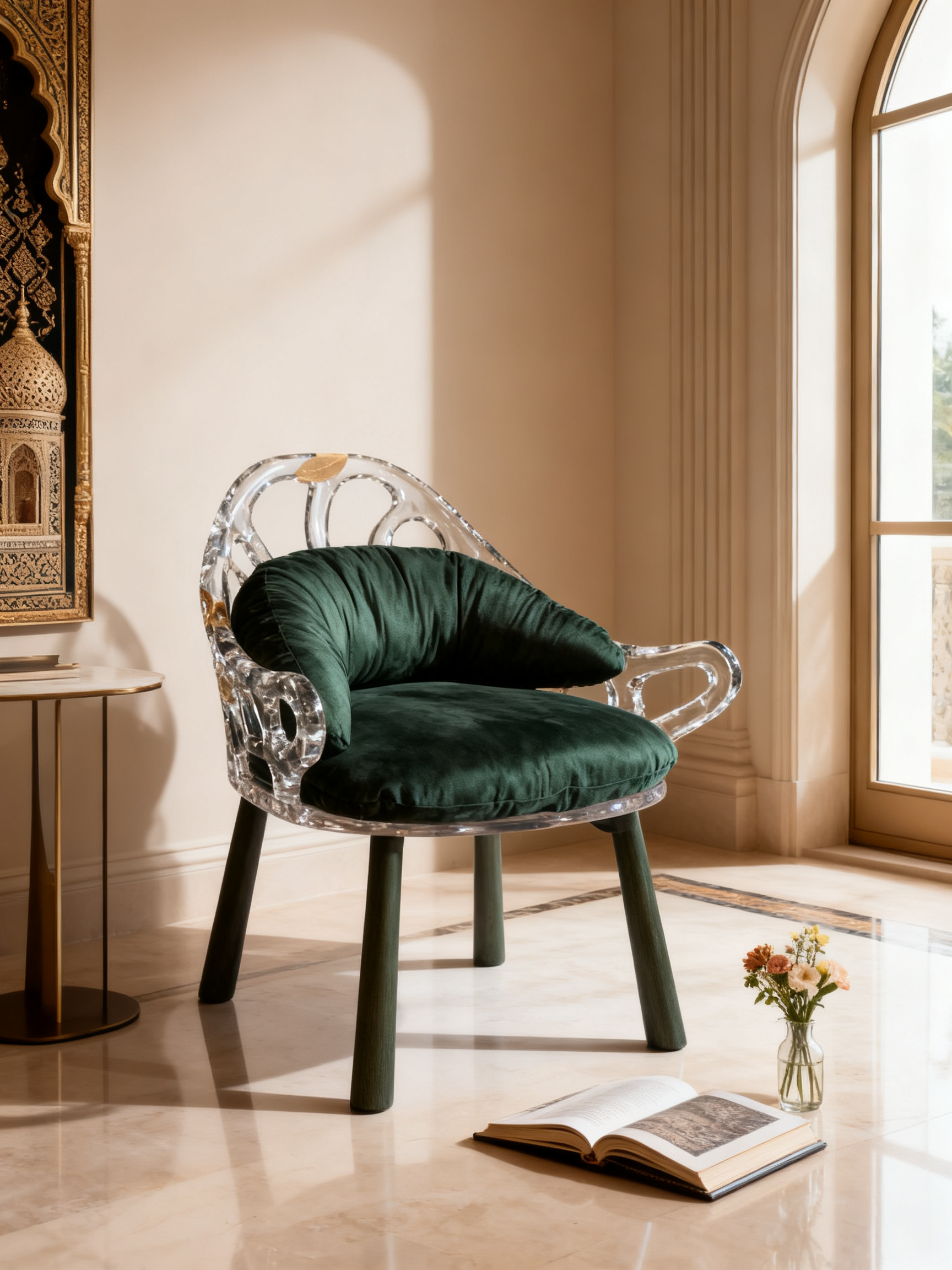
In minimalist spaces, a single clear synthetic crystal chair serves as a subtle sculptural focal point without overwhelming clean linework and neutral color palettes.
In classical or Art Deco-inspired interiors, tinted or faceted crystal pieces complement gold hardware, marble surfaces, and rich textile textures for a cohesive opulent feel.
Popular style integrations in 2026 projects include:
Japandi luxury: Matte-edged crystal coffee tables paired with oak wood and linen textiles
Neo-classical: Ornately carved crystal console tables with gilded metal bases
Modern minimalist: Seamless monolithic crystal dining tables with invisible support structures
Biophilic design: Green-tinted crystal pieces paired with indoor plant features and stone surfaces
3. Building Design Identity with Synthetic Crystal Furniture in Premium Developments
Customization as a Differentiation Tool for Real Estate Brands
For luxury real estate developers, custom synthetic crystal furniture creates unique brand signatures that make properties instantly recognizable in crowded high-end markets.
Developers can commission custom shapes, embedded elements, or tinted colors that align with a project’s architectural theme or location-inspired narrative.
For example, a coastal luxury development might use ocean-blue tinted synthetic crystal tables with embedded shell fragments to reinforce its seaside identity.
Customization options available in 2026:
Full color spectrum tinting with UV-stable pigment formulations
Embedded metallic flakes, natural materials, or brand logos within the crystal structure
Custom edge profiles: beveled, rounded, faceted, or raw organic edges
Size scalability from small side tables to 12-foot dining table slabs
Curated Furniture Collections for Cohesive Project Narratives
Interior designers can curate full collections of synthetic crystal furniture across multiple rooms to create a consistent, luxurious design narrative throughout a property.
A cohesive collection might include a crystal dining table, matching console table in the entryway, and accent chairs in the living room, all with complementary base materials and finish details.
This level of material consistency elevates perceived property value by signaling intentional, high-end design attention to detail.
Examples of cross-room crystal furniture pairings:
Entryway: Faceted crystal console table with brass base + matching crystal wall mirror
Living room: Clear crystal coffee table + two accent crystal chairs with velvet upholstery
Dining room: 10-seat crystal dining table + crystal candle holders and table decor
Primary bedroom: Crystal nightstands with integrated LED lighting + crystal vanity table
4. Practical Implementation Strategies for Interior Designers
Material Selection and Quality Verification Guidelines
When sourcing synthetic crystal furniture for 2026 projects, interior designers must verify material quality to ensure pieces meet luxury durability and aesthetic standards.
Always request samples to confirm high-purity optical-grade materials composition, checking for clarity, edge finish quality, and surface smoothness under different lighting conditions.
Reputable manufacturers provide material test reports documenting high surface hardness, UV resistance, and safety compliance for residential use.
Quality verification checklist for designers:
Request third-party lab test reports for material hardness and light transmittance
Inspect edge polishing quality under 45-degree angled lighting for unevenness
Test scratch resistance with a standard metal key on sample pieces
Confirm warranty coverage for discoloration, cracking, or manufacturing defects
Installation and Long-Term Maintenance Best Practices
Proper installation and maintenance are critical to preserving the visual appeal and value of synthetic crystal furniture over the lifespan of a luxury property.
Large synthetic crystal tables require professional installation with reinforced support structures to distribute weight evenly and prevent structural stress cracks.
For daily maintenance, use microfiber cloths and non-abrasive glass cleaners to avoid scratching the surface, and avoid placing extremely hot objects directly on the crystal without protective pads.
Long-term maintenance tips for property owners:
Wipe surfaces weekly with a lint-free microfiber cloth to remove dust and fingerprints
Use felt pads under decorative objects to prevent surface scratches
Avoid harsh chemical cleaners that can damage the crystal’s polished finish
Schedule annual professional inspections for large installed pieces to check for structural stability

5. 2026 Market Trends and Future Value Projections
Current Adoption Rates in Global Luxury Real Estate
As of 2026, synthetic crystal furniture adoption in high-end residential projects has grown 47% year-over-year, driven by increasing demand for unique, Instagram-worthy design features among ultra-high-net-worth buyers.
Markets with the highest adoption rates include Dubai, Miami, Shanghai, and Singapore, where luxury developers compete to offer the most visually striking and exclusive interior features.
72% of interior designers surveyed in Q3 2026 report that synthetic crystal furniture is now a standard consideration for premium living room and dining room designs.
Key 2026 market data points:
$1.2B global market size for synthetic crystal luxury furniture (projected 2026 full-year)
52% of buyers say crystal furniture features increase their willingness to pay a 10-15% price premium
68% of luxury hotel lobbies now incorporate at least one large crystal furniture piece
Fastest growing product category: custom synthetic crystal dining tables
Long-Term Value Retention for Real Estate Assets
Synthetic crystal furniture contributes to long-term property value retention by maintaining its visual appeal for decades with minimal maintenance, unlike trendier furniture materials that quickly look dated.
Properties with high-quality custom crystal furniture pieces hold their resale value better, as these pieces are perceived as permanent design features rather than disposable decor.
As sustainable luxury becomes more important in 2026, the long lifespan and recyclability of synthetic crystal materials also add eco-friendly value to properties.
Factors driving long-term value:
Timeless aesthetic that outlasts short-term design trends
Durable construction with 20+ year expected lifespan with proper care
Custom pieces that cannot be easily replicated in competing properties
Alignment with growing demand for sustainable, long-lasting luxury materials
In conclusion, synthetic crystal furniture represents a high-impact material value strategy for 2026 luxury real estate projects, combining stunning visual appeal, design flexibility, and long-term durability. For interior designers and developers, investing in high-quality pieces made from high-purity optical-grade materials creates spaces that feel both luxurious and unique, while also supporting strong property value retention. As the market continues to grow, this material category will remain a key differentiator for premium developments that aim to stand out in competitive global luxury markets.