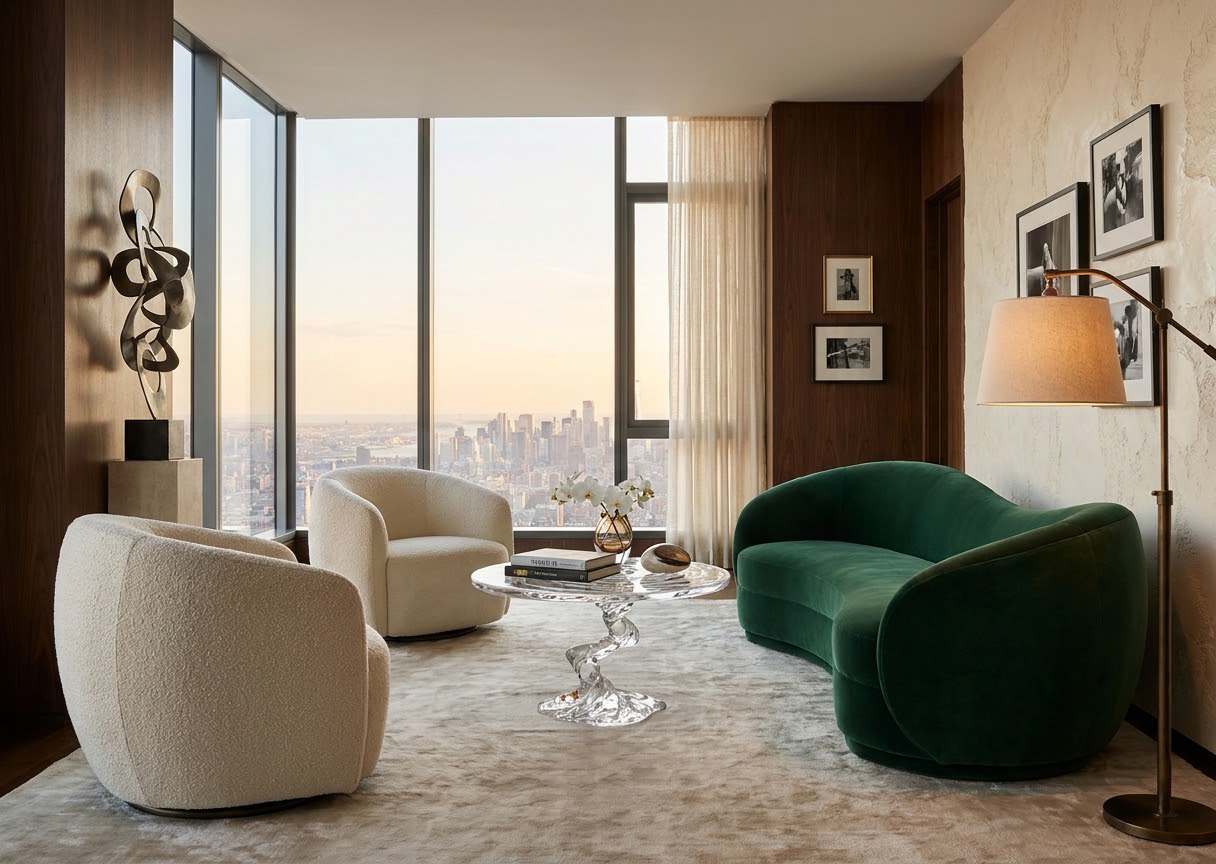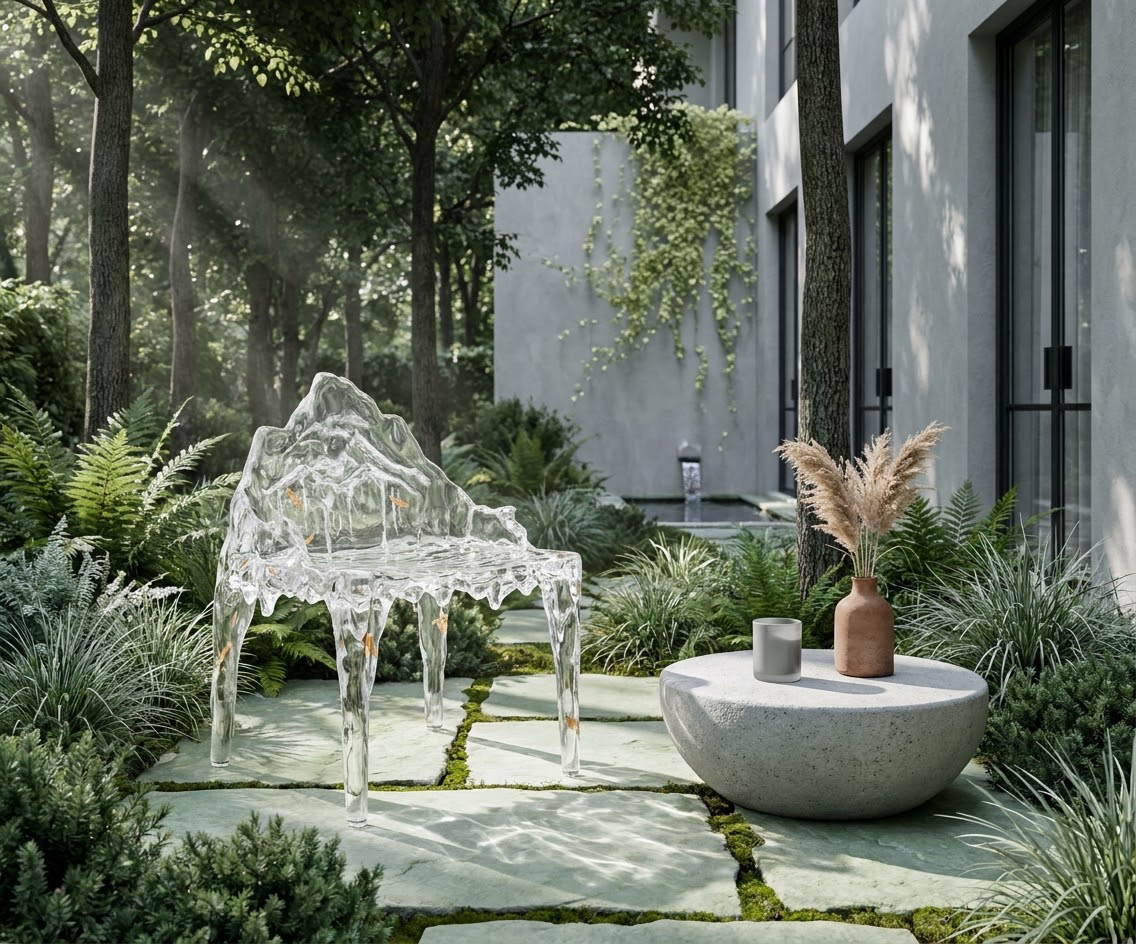
In 2026’s competitive commercial interior market, synthetic crystal furniture has emerged as a top choice for high-end retail, hospitality, and corporate spaces. Its ability to blend luxury aesthetics with functional durability makes it a go-to solution for interior designers seeking statement pieces that stand up to heavy use.
This guide breaks down how leading manufacturers balance custom design freedom, consistent production quality, and on-time delivery for commercial projects of all scales.
1. The Unique Design Potential of Synthetic Crystal Furniture for Commercial Projects
Synthetic crystal furniture offers unmatched design flexibility compared to natural stone or traditional glass pieces. For commercial spaces, every piece needs to align with brand identity, spatial layout, and user experience goals.
1.1 Custom Design Capabilities Tailored to Interior Designers
Interior designers often require one-of-a-kind pieces that match specific color palettes, shapes, and branding elements. Synthetic crystal furniture can be molded into nearly any form, from curved reception desks to sculptural seating.
Key design customization options include:
Full color matching with Pantone or brand-specific color codes
Embedded logos, patterns, or decorative elements within the crystal structure
Variable transparency levels, from fully clear to frosted or gradient finishes
Custom sizing to fit unique spatial dimensions, from small lobby tables to large feature walls
In 2026, many manufacturers offer 3D rendering tools that let designers preview pieces in full scale before production begins, reducing revision cycles and ensuring design intent is preserved.
1.2 Material Advantages of High-Purity Optical-Grade Material
The quality of synthetic crystal furniture depends heavily on the base material used. High-purity optical-grade material delivers superior clarity, light transmission, and consistency compared to lower-grade alternatives.
This premium material offers:
92% light transmittance, matching the clarity of high-end natural crystal
Uniform color distribution with no internal bubbles or impurities
UV resistance to prevent yellowing or fading in sunlit commercial spaces
High surface hardness that resists scratches and scuffs from daily use
For high-traffic commercial areas like hotel lobbies or retail showrooms, this material ensures pieces maintain their premium appearance for years with minimal maintenance.
2. Ensuring Production Stability for Synthetic Crystal Furniture Orders
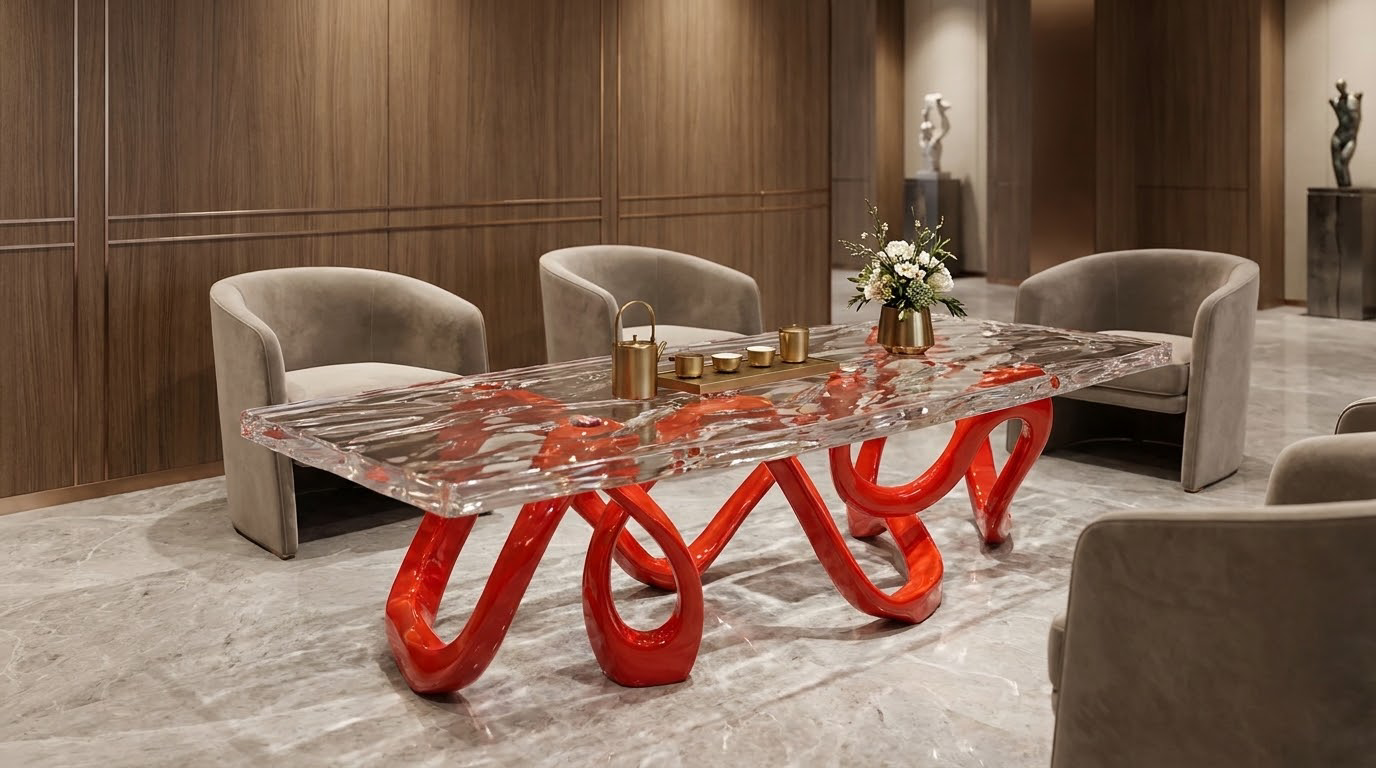
Production stability is critical for commercial projects, where even small defects can delay timelines or compromise brand reputation. Leading manufacturers use standardized processes combined with skilled craftsmanship to deliver consistent quality across every order.
2.1 Standardized Manufacturing Processes for Consistent Quality
Artificial crystal furniture production requires precise control over temperature, curing time, and material mixing to avoid defects. In 2026, top facilities use automated mixing systems and real-time monitoring to maintain consistency across large production runs.
Core quality control steps include:
Raw material testing to verify purity and composition before production
Closed-loop curing systems with temperature variance under ±2°C
Multi-stage polishing to achieve uniform high surface hardness across all surfaces
Final inspection with light transmission testing to identify internal imperfections
For large orders with multiple matching pieces—such as a set of synthetic crystal tables for a co-working space—standardized processes ensure every piece matches in color, clarity, and finish.
2.2 Scaling Production Without Compromising Craftsmanship
Many commercial projects require both custom design elements and bulk production capacity. The challenge is scaling output while retaining the hand-finished details that make high-end synthetic crystal furniture stand out.
Manufacturers address this by:
Dividing production into automated base forming and hand-finished detailing stages
Using modular mold systems that reduce setup time for custom shapes
Training specialized teams for different production stages (casting, polishing, assembly)
Maintaining buffer material stocks to avoid supply chain delays for rush orders
A 2026 industry survey found that facilities with hybrid automated-craft production lines reduce defect rates by 32% compared to fully manual workshops, while still supporting full custom design.
3. Optimizing Project Delivery Efficiency for Commercial Clients
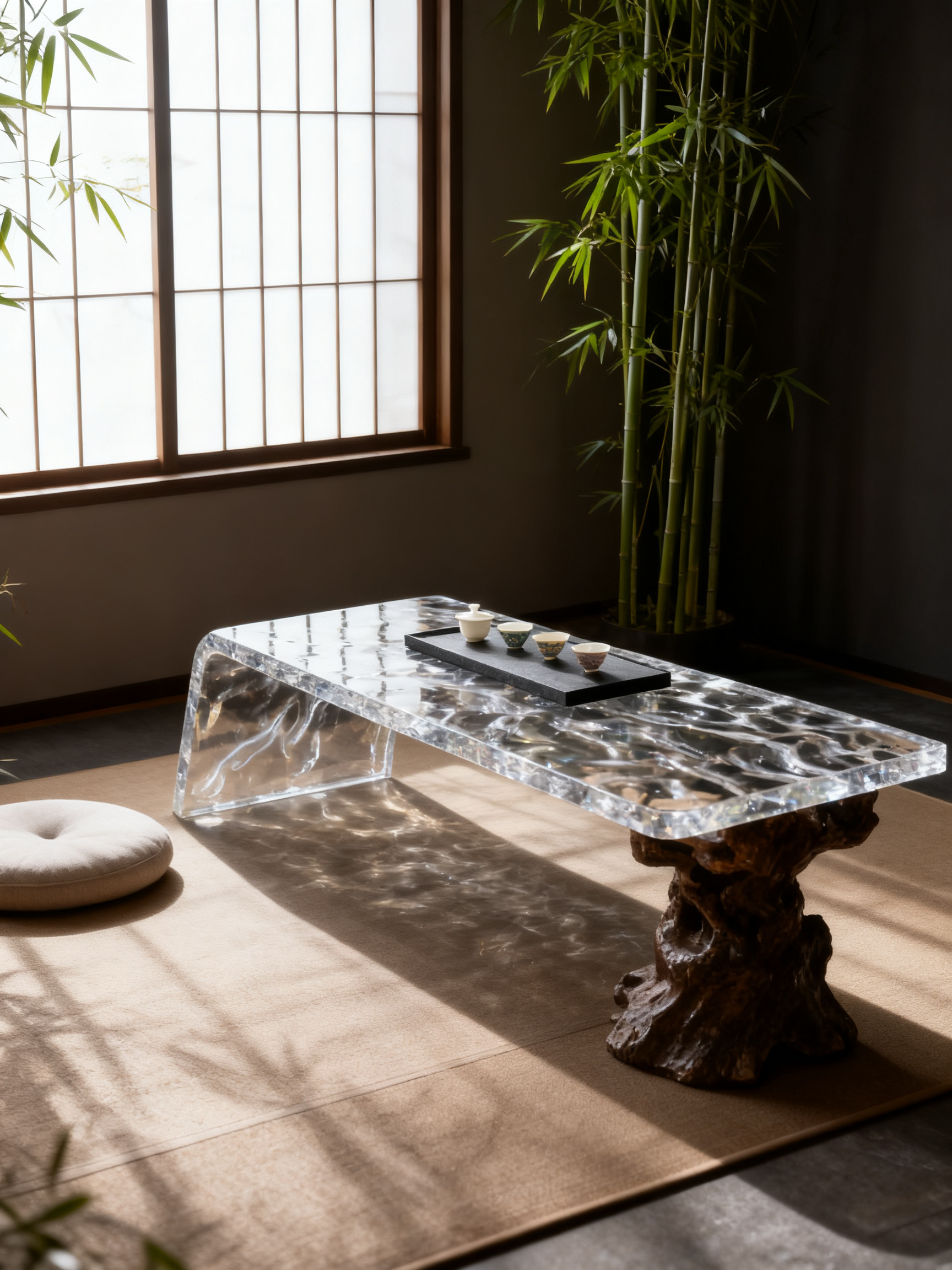
On-time delivery is non-negotiable for commercial projects, where opening dates and launch schedules are often fixed months in advance. Delays can result in costly penalties or damaged client relationships.
3.1 Streamlined Project Management Workflows
Efficient delivery starts with clear project planning and communication between manufacturers, interior designers, and project stakeholders. In 2026, many top synthetic crystal furniture providers use dedicated project management platforms to track every order in real time.
Key workflow optimizations include:
Single point of contact for each project to eliminate communication gaps
Milestone-based progress updates shared via cloud dashboards
Pre-approval of design samples and material swatches before full production
Coordinated shipping and installation scheduling with on-site teams
For multi-location retail projects, this level of coordination ensures all pieces arrive and are installed on the same timeline across different sites.
3.2 Mitigating Common Delivery Risks in Commercial Projects
Even with careful planning, commercial furniture projects face risks like shipping damage, customs delays (for international orders), or on-site installation issues. Proactive risk management is essential to keep projects on track.
Common mitigation strategies include:
Custom crating with shock-absorbent materials to protect high surface hardness finishes during transit
Pre-installation site surveys to verify dimensions and access before delivery
Backup production capacity for quick replacement of damaged pieces
Local installation teams in major markets to reduce travel time and delays
In 2026, leading manufacturers report a 94% on-time delivery rate for commercial synthetic crystal furniture orders, up from 81% just three years ago, thanks to these risk reduction practices.
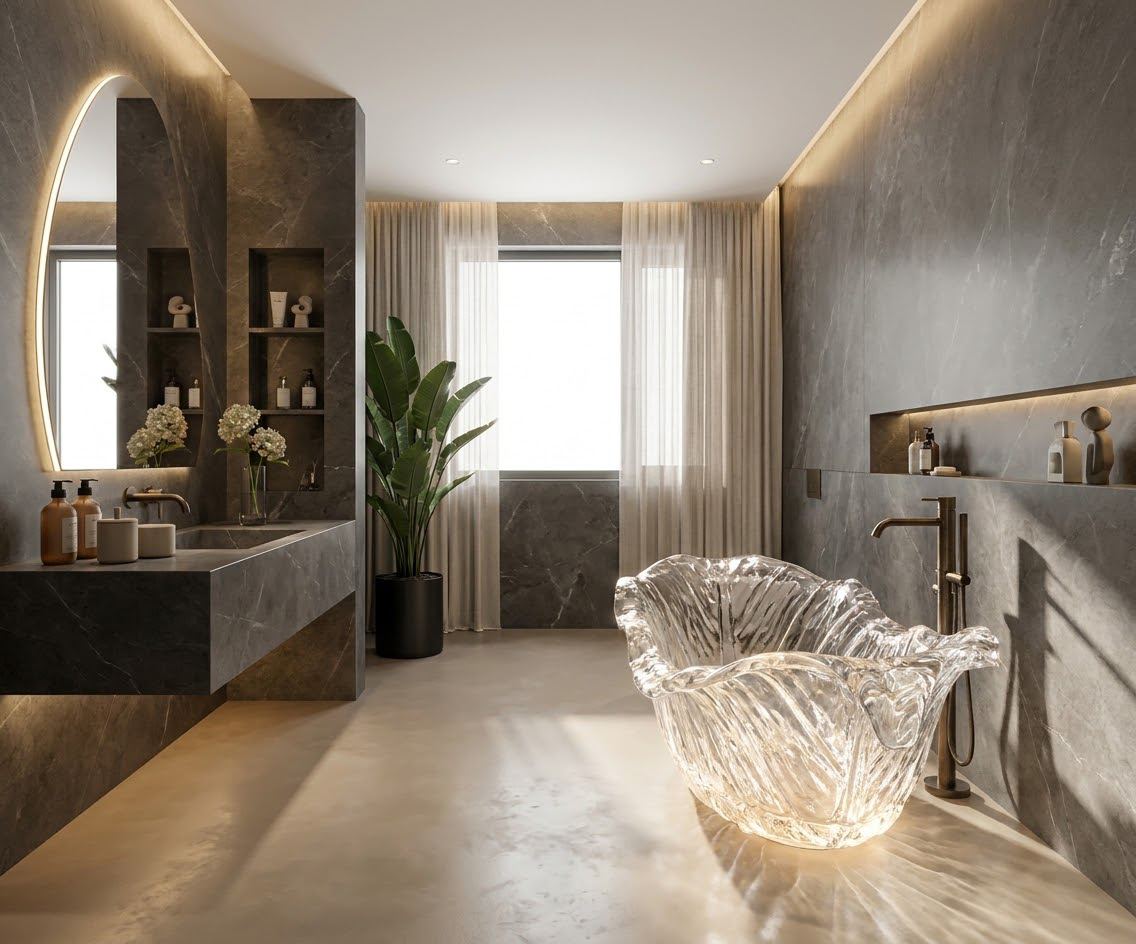
4. Real-World Case Studies: Balancing All Three Priorities
The best way to understand how design, production, and delivery work together is through real commercial projects completed in 2026. These examples show how manufacturers solve common challenges for interior designers and brand clients.
4.1 Luxury Retail Flagship Store: Custom Synthetic Crystal Tables and Seating
A global luxury fashion brand commissioned 12 custom synthetic crystal tables and 24 matching synthetic crystal chairs for its new flagship store in Shanghai. The design required embedded gold leaf details and a unique smoky gray gradient finish.
Project results:
Design: Full custom shape and finish matched the brand’s 2026 retail concept exactly
Production: Hybrid automated-craft process delivered consistent quality across all 36 pieces
Delivery: Completed 3 days ahead of schedule, with zero defects reported on installation
The pieces used high-purity optical-grade material to ensure the gold leaf details appeared crisp and evenly lit under store lighting, while high surface hardness resisted scratches from customer use.
4.2 Boutique Hotel Lobby: Large-Scale Artificial Crystal Furniture Feature
A boutique hotel in Dubai ordered a 6-meter-long custom artificial crystal furniture reception desk as the centerpiece of its lobby redesign. The project required complex internal lighting integration and a seamless curved shape.
Key solutions implemented:
Split the desk into 3 modular sections for easier shipping and on-site assembly
Used precision casting to ensure seamless joints between sections after installation
Coordinated with the hotel’s electrical team to pre-wire lighting before delivery
Conducted a full pre-assembly test at the factory to verify fit before shipping
The project was delivered on time for the hotel’s grand opening, and the desk has since become a signature photo spot for guests, driving social media engagement for the property.
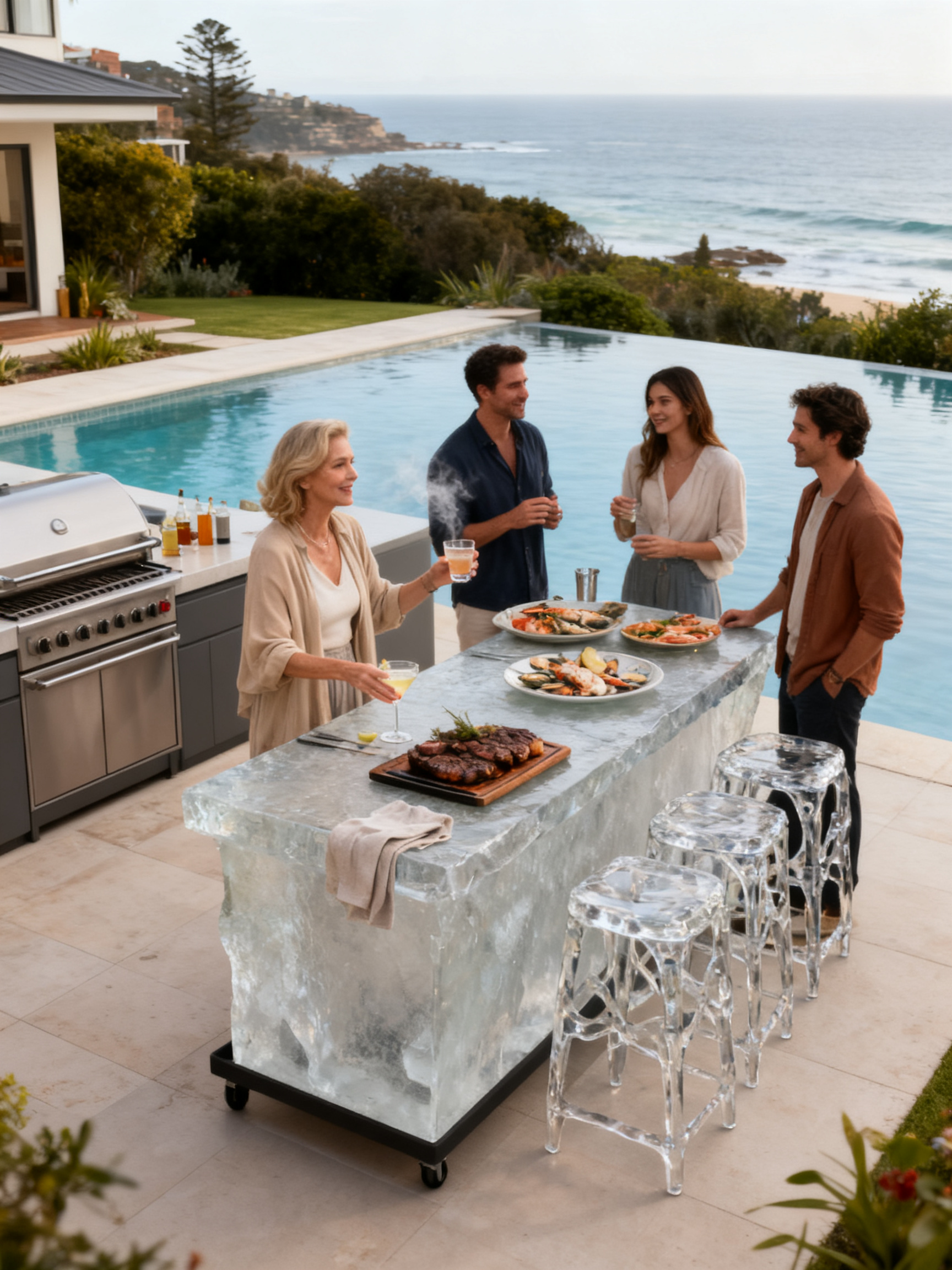
5. Future Trends and Best Practices for 2026 and Beyond
The synthetic crystal furniture industry continues to evolve, with new technologies and design trends shaping how commercial projects are approached. Staying ahead of these trends helps interior designers and manufacturers deliver better results.
5.1 Emerging Technologies Shaping Synthetic Crystal Furniture
In 2026, several technologies are transforming how synthetic crystal furniture is designed and produced. These innovations improve both design freedom and production efficiency.
Notable technologies include:
AI-powered design tools that generate custom shapes based on spatial parameters and brand guidelines
3D-printed molds that reduce lead times for one-of-a-kind pieces from weeks to days
Nano-coating treatments that enhance high surface hardness and make pieces even easier to clean
Smart crystal pieces with integrated LED lighting and wireless charging capabilities
These technologies make it easier to balance custom design with fast production, opening up new possibilities for commercial spaces.
5.2 Best Practices for Interior Designers Starting a Custom Project
For interior designers planning a custom synthetic crystal furniture project, following best practices from the start helps ensure a smooth process and successful outcome.
Top recommendations for 2026:
Share full project timelines and delivery deadlines with manufacturers during the initial consultation
Request physical material samples and small-scale prototypes before approving full production
Clarify quality standards, including high surface hardness ratings and light transmission levels, in the contract
Build a 10-15% buffer into the timeline for unexpected delays or design revisions
By aligning expectations early, designers can leverage the full potential of synthetic crystal furniture while avoiding common pitfalls that impact production stability and delivery efficiency.