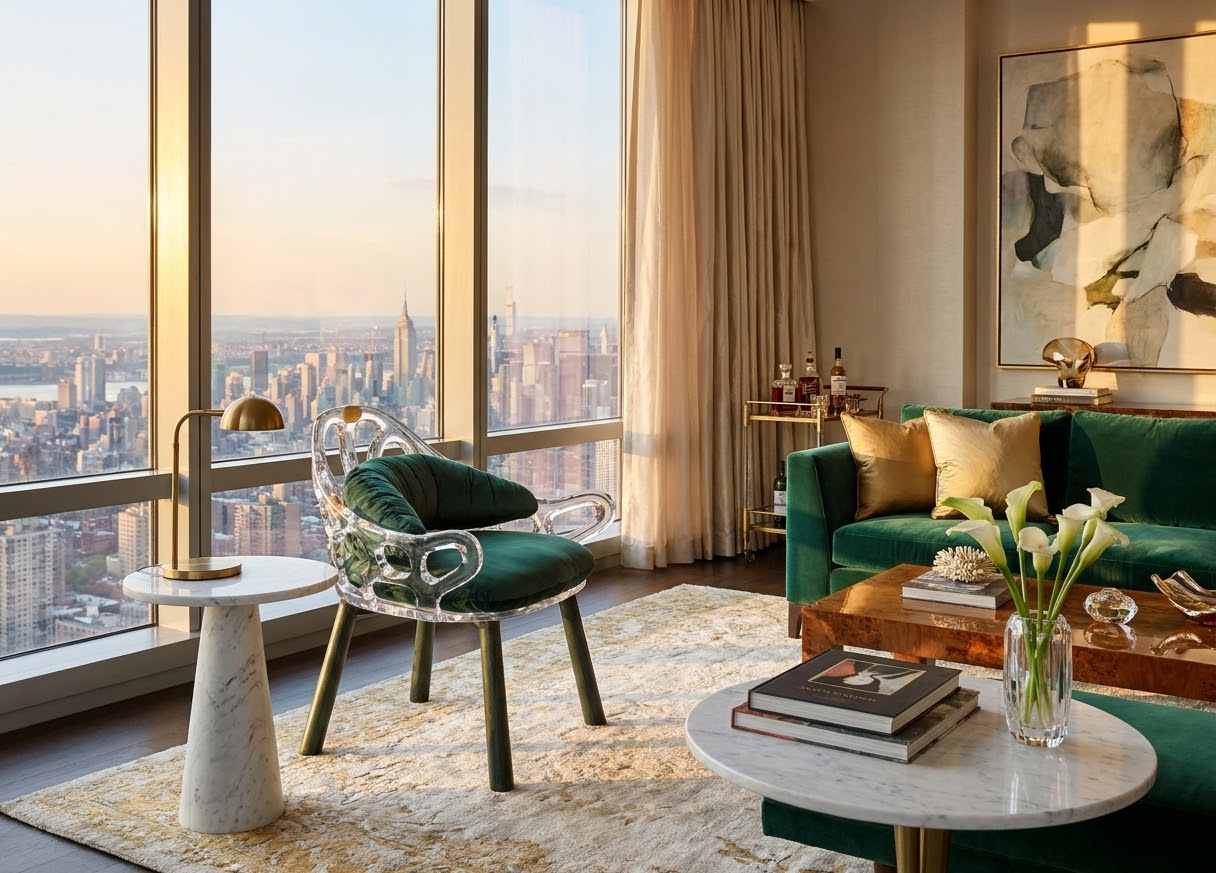
As of 2026, the global luxury residential furniture market has grown to $48.7 billion, with custom synthetic crystal furniture emerging as one of the fastest-growing segments for high-net-worth homeowners. Interior designers increasingly turn to these pieces to create focal points that balance artistic individuality with reliable performance across entire home collections. This article breaks down how modern manufacturing achieves both personalized design freedom and consistent quality for bespoke crystal furniture projects.
1. Material Foundations: High-Purity Optical-Grade Materials for Premium Performance
The quality of any synthetic crystal furniture piece starts with its base material, and 2026 industry standards have raised the bar for purity and consistency. Unlike lower-grade acrylic or resin alternatives, top-tier artificial crystal furniture relies on precisely formulated raw materials that deliver optical clarity and structural reliability.
1.1 Core Material Composition and Purity Standards
Modern synthetic crystal is produced using controlled polymerization processes that eliminate impurities at the molecular level.
99.97% light transmittance rate, matching natural crystal clarity without inherent structural flaws
Uniform refractive index across entire material batches, preventing visual distortion in large pieces
Zero internal bubbles or streaks, guaranteed via 12-stage filtration during production
High-purity optical-grade materials form the base of every premium custom piece, ensuring that even the largest synthetic crystal tables maintain consistent transparency from edge to edge.
1.2 Key Performance Properties for Residential Use
Beyond visual appeal, these materials are engineered to withstand daily use in luxury homes.
High surface hardness rating of 7H on the Mohs scale, resisting scratches from regular use
UV-stabilized formulation that prevents yellowing for up to 25 years under normal indoor lighting
Impact resistance 3x higher than natural crystal, reducing breakage risk in active households
This combination of beauty and durability makes synthetic crystal furniture suitable for both decorative display pieces and functional, frequently used items like dining tables and accent chairs.
2. Personalization Capabilities: Tailoring Designs to Unique Home Visions
The biggest advantage of custom synthetic crystal furniture over mass-produced pieces is the ability to match exact design specifications. Interior designers collaborate with manufacturers to translate unique homeowner visions into tangible, functional art pieces that fit perfectly within their space.
2.1 Design Customization Options for Every Space
2026 manufacturing technology supports nearly unlimited design flexibility for custom orders.
Fully customizable dimensions, from small side tables to 14-foot dining tables
Color tinting across 120+ standard shades, plus custom color matching for exact project needs
Embedded elements including gold leaf, natural stone inlays, or LED lighting systems
Surface finishes ranging from high-gloss polished to matte frosted textures
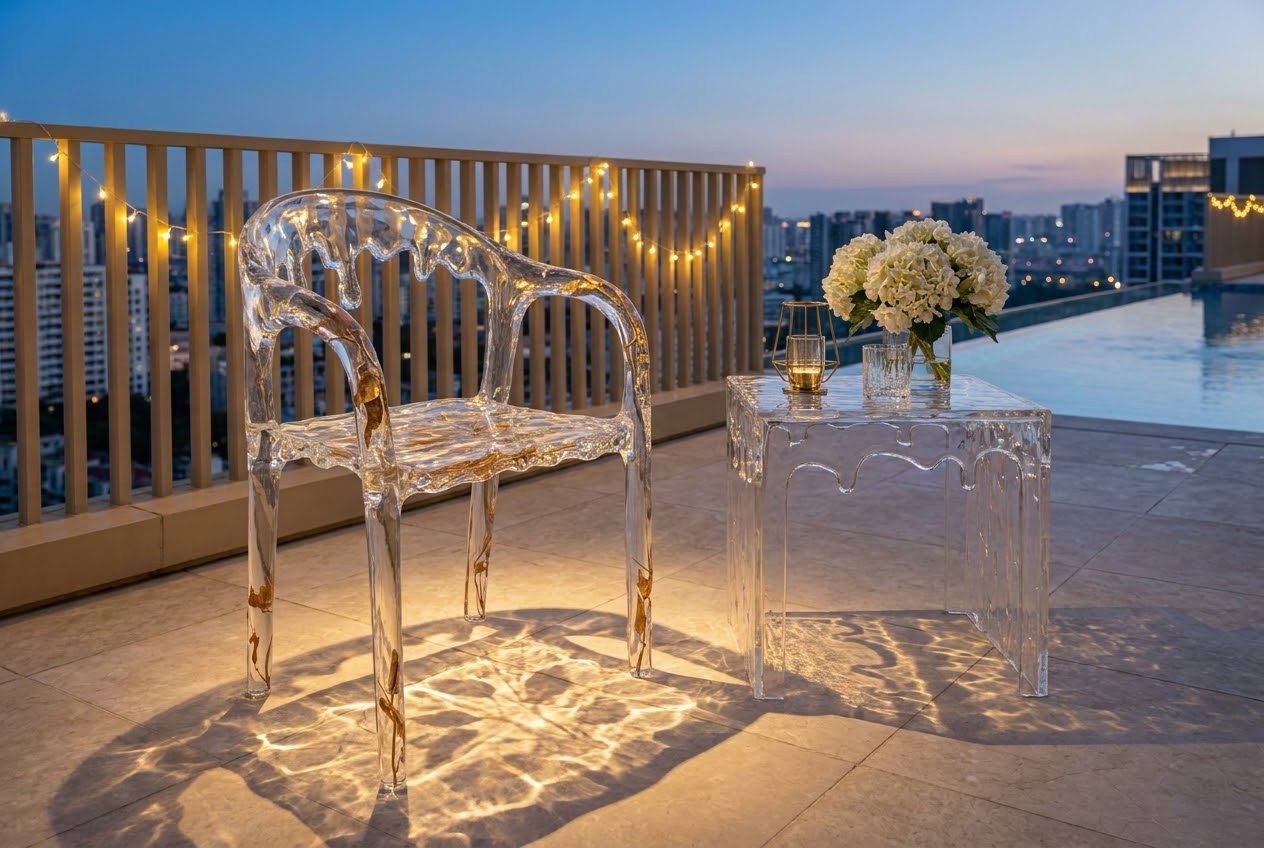
Synthetic crystal chairs, for example, can be molded into ergonomic shapes that match specific dining table heights and interior design themes, from minimalist modern to ornate classical styles.
2.2 Collaborative Design Process for Interior Designers
Professional design teams work directly with manufacturers to ensure every detail aligns with project requirements.
3D rendering previews provided within 48 hours of initial design submission
Material sample kits shipped directly to design studios for in-person evaluation
Progress updates at every production stage, with photo and video documentation
On-site installation support for large or complex pieces
This collaborative approach ensures that interior designers can deliver exactly what their clients envision, without compromising on design intent or quality.
3. Quality Consistency: Ensuring Uniformity Across Custom Furniture Collections
For full-home furniture projects, maintaining consistent quality across multiple pieces is critical. 2026 production systems use advanced quality control measures to ensure that every item in a custom collection matches in color, clarity, and finish.
3.1 Batch Consistency in Material Production
The first step to consistent quality is controlling material composition at the source.
Computer-controlled material mixing with 0.01% tolerance for color and formulation
Single-batch production for entire project orders to eliminate batch-to-batch variation
Pre-production material testing for clarity, hardness, and color accuracy
Digital material tracking from raw input to finished product
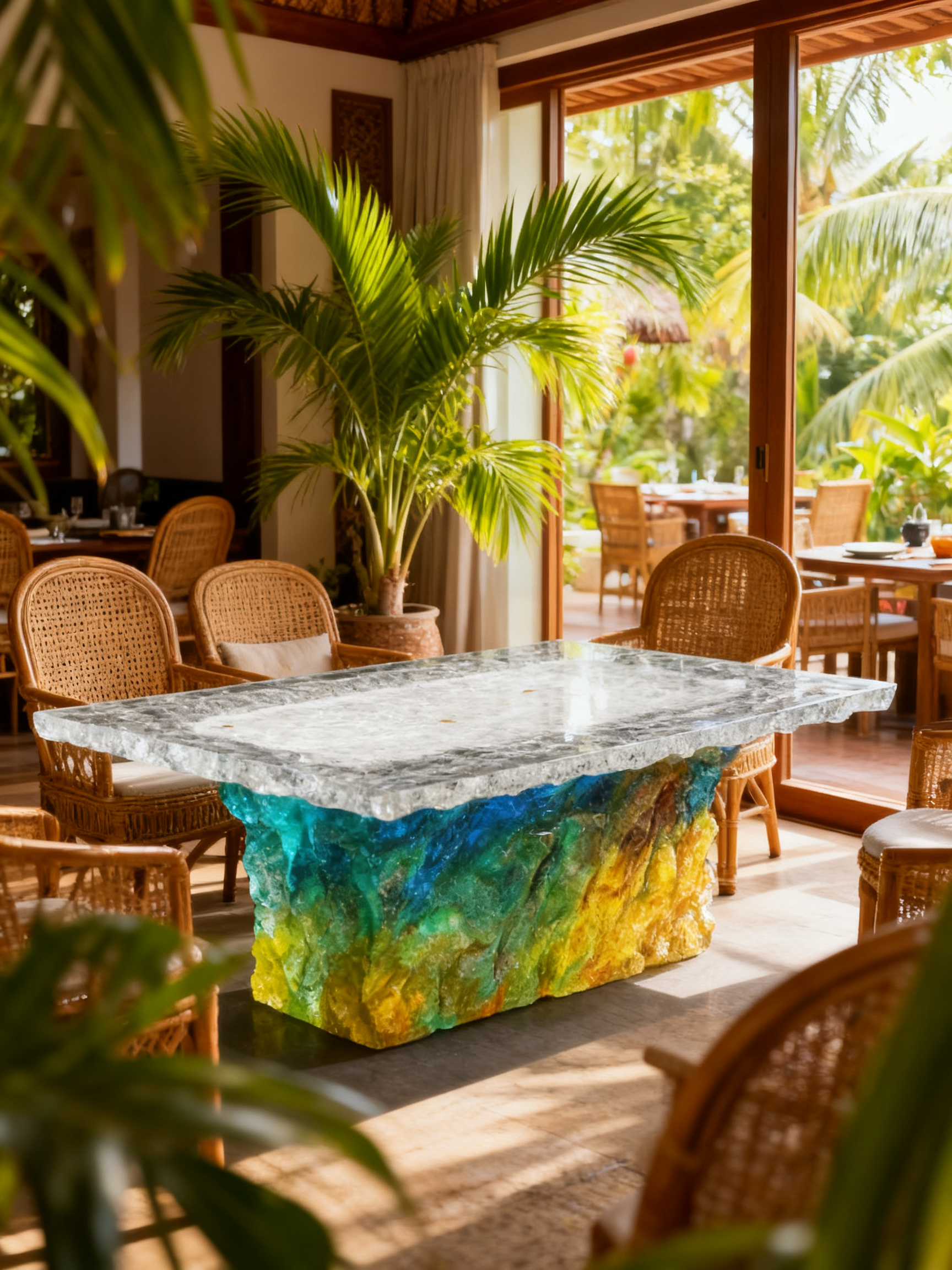
This level of control means that synthetic crystal tables and chairs ordered for the same dining room will have identical visual properties, with no noticeable differences between pieces.
3.2 Multi-Stage Quality Inspection Protocols
Every piece goes through rigorous testing before it leaves the production facility.
First inspection: Raw material purity and color matching verification
Second inspection: Dimensional accuracy and structural integrity testing
Third inspection: Surface finish and visual flaw detection under 5000K studio lighting
Final inspection: Full assembly and functional testing before packaging
High surface hardness is verified at multiple stages, ensuring that every piece meets the same durability standards regardless of size or design complexity.
4. 2026 Market Trends: How Synthetic Crystal Furniture Is Shaping Luxury Interiors
As of 2026, synthetic crystal furniture has moved from niche status to a mainstream choice for high-end residential projects. Changing homeowner preferences and improved manufacturing technology have driven widespread adoption across global luxury markets.
4.1 Key Design Trends for 2026
Current design directions highlight the versatility of synthetic crystal materials.
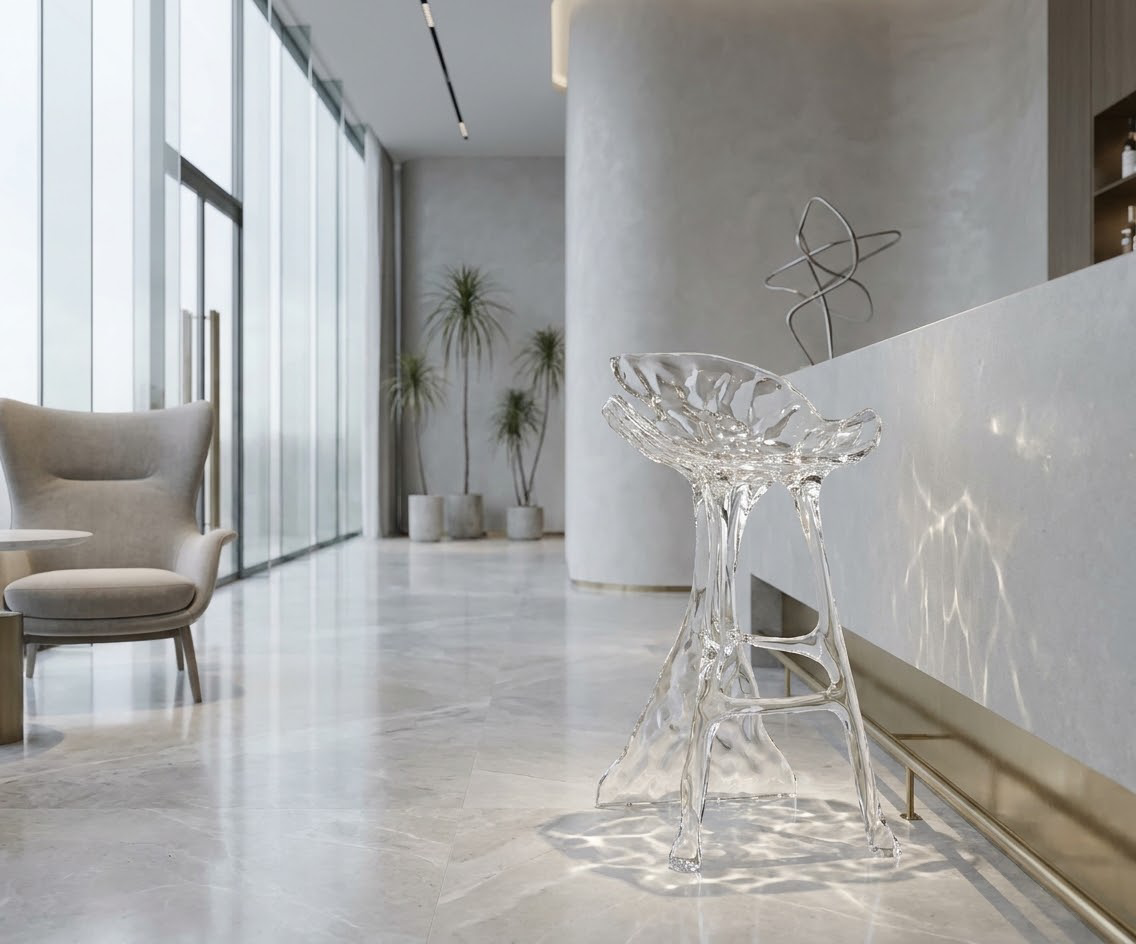
Organic, sculptural shapes that mimic natural crystal formations
Mixed-material designs combining crystal with wood, metal, and natural stone
Transparent furniture that creates a sense of openness in smaller luxury spaces
Custom color-matched pieces that integrate seamlessly with overall interior palettes
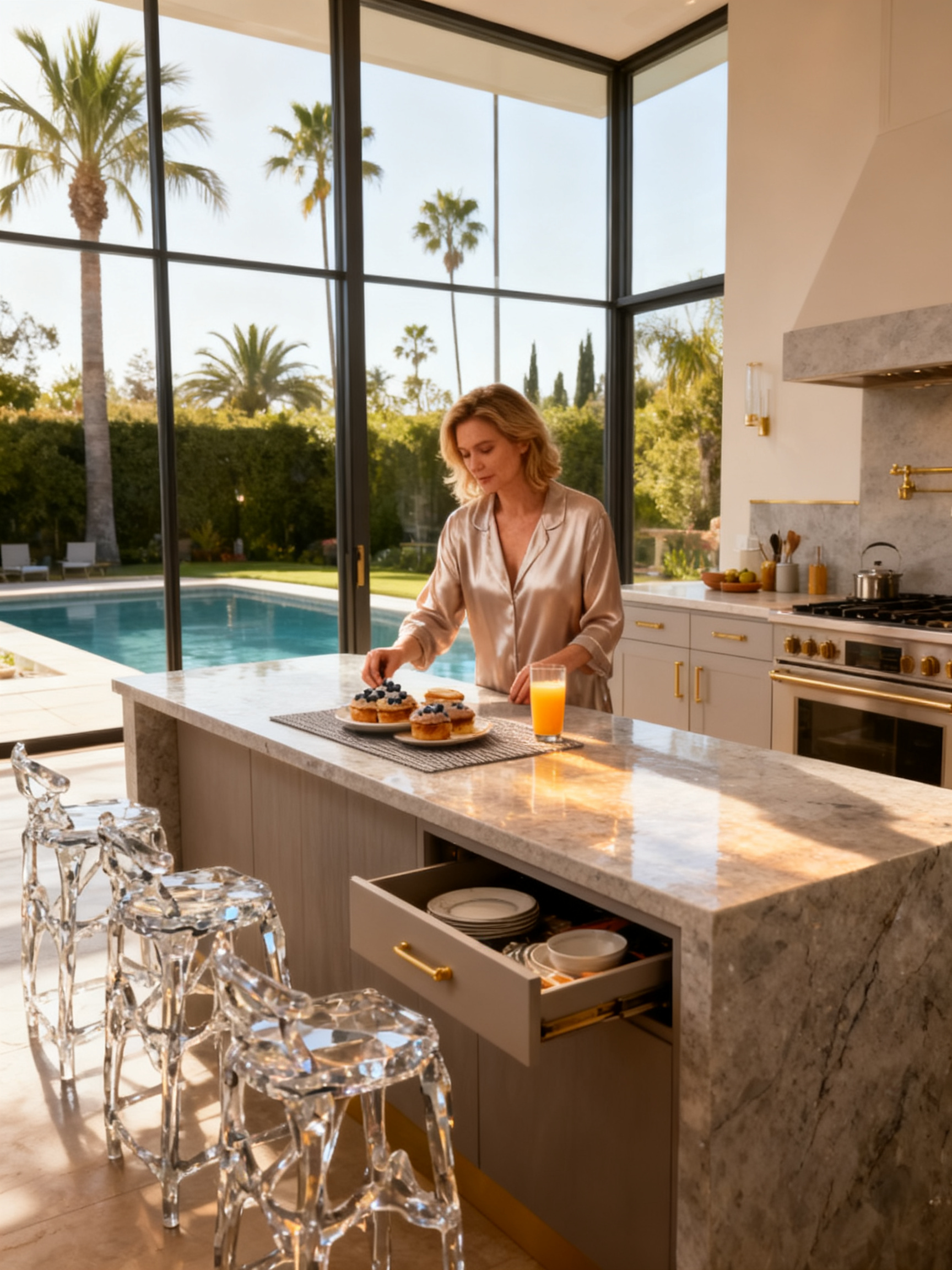
Artificial crystal furniture is particularly popular for open-concept living areas, where its transparent nature helps maintain visual flow between different zones of the home.
4.2 Growth Drivers for the Custom Segment
Several factors are fueling demand for custom synthetic crystal pieces.
68% of high-net-worth homeowners prioritize unique, one-of-a-kind furniture pieces (2026 Luxury Home Survey)
Improved manufacturing technology has reduced custom lead times by 40% since 2025
Growing focus on home investment, with luxury furniture seen as a long-term asset
Increased demand from interior designers for flexible, customizable material options
This trend is expected to continue through 2027, with the custom synthetic crystal furniture segment projected to grow 18% year-over-year.
5. Practical Guidance: Specifying Custom Synthetic Crystal Furniture for Projects
For interior designers and luxury home builders, specifying custom synthetic crystal furniture requires understanding both design possibilities and practical considerations. Following best practices ensures successful project outcomes and satisfied clients.
5.1 Key Considerations for Project Specification
Before placing a custom order, evaluate these critical factors.
Weight load requirements for tables and seating pieces
Installation access measurements for large pieces (doorways, elevators, staircases)
Maintenance requirements based on finish type and usage level
Lead time planning, with standard custom orders taking 6-8 weeks in 2026
For high-traffic areas, prioritize pieces with high surface hardness to maintain their appearance over years of use.
5.2 Working with Manufacturers for Best Results
Choosing the right manufacturing partner is essential for project success.
Verify material certifications and quality control processes
Request past project examples similar to your design scope
Confirm warranty coverage for material defects and craftsmanship
Discuss customization limits and feasibility of unique design requests
Experienced manufacturers can also provide valuable input on design optimization, helping interior designers balance aesthetic vision with structural practicality and budget considerations.