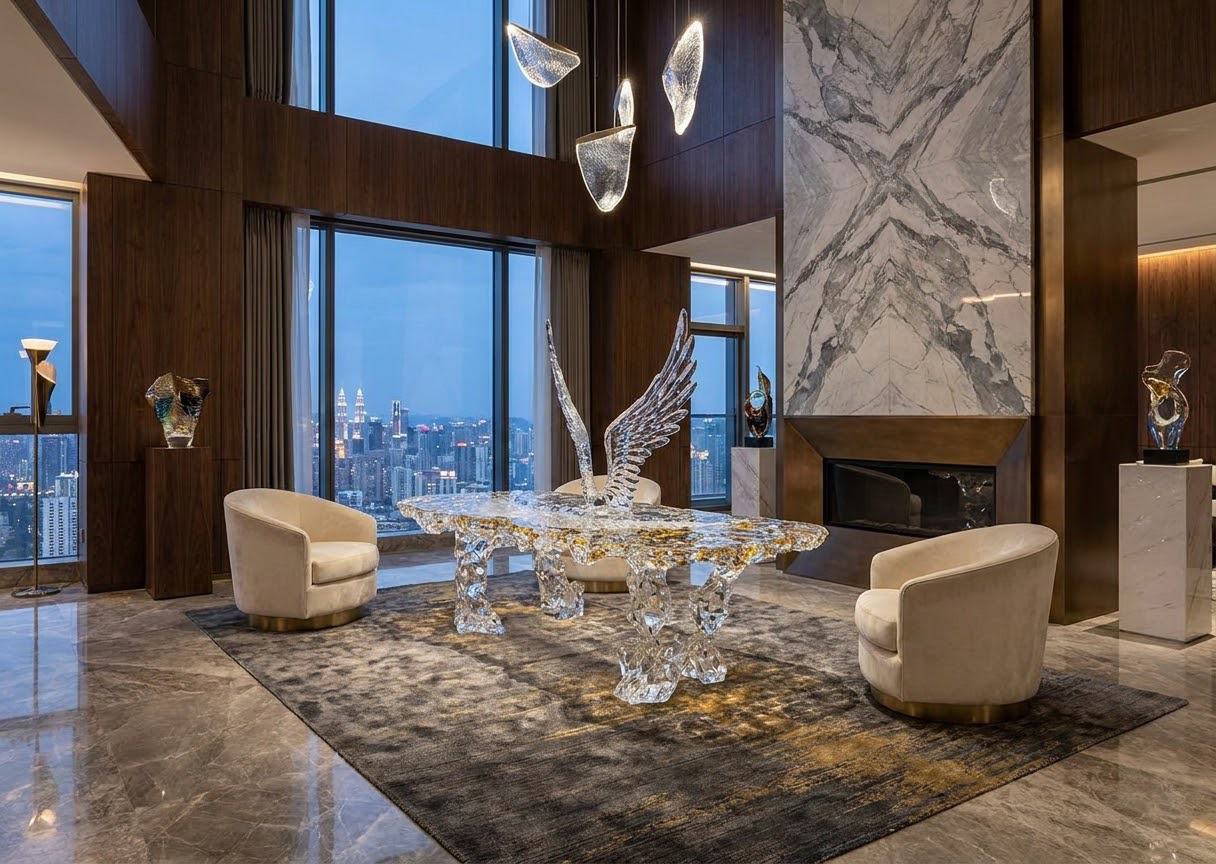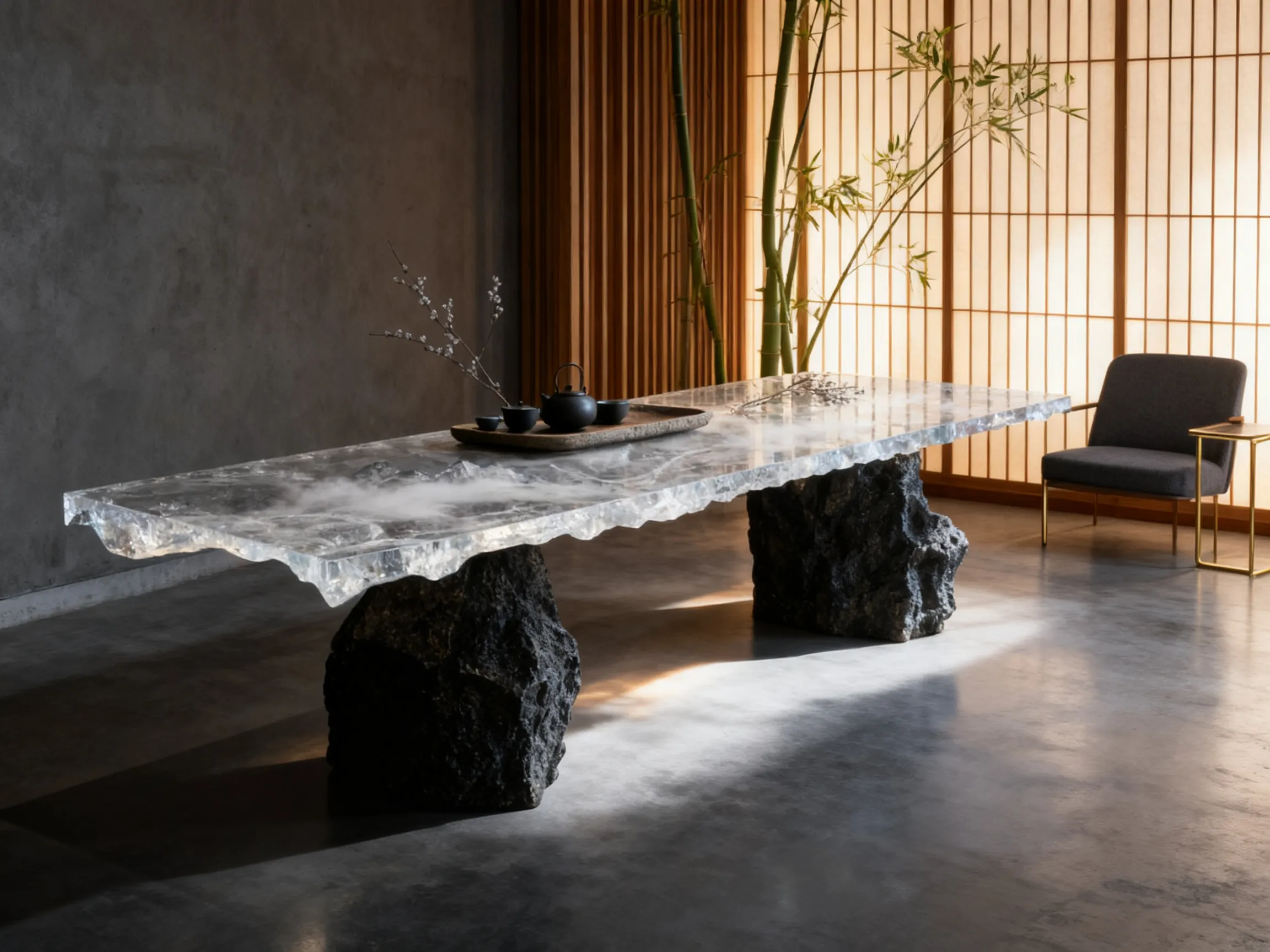
Synthetic crystal furniture has emerged as a transformative category in 2026’s luxury interior design landscape, bridging artistic expression, precision engineering, and elevated property value. For interior designers navigating shifting material trends, this category offers a balance of visual drama and functional performance that traditional materials cannot match. This piece breaks down how the technology, artistry, and market demand for these pieces intersect in today’s high-end design ecosystem.
1. Material Foundations: The Science Behind Synthetic Crystal Furniture
The rise of synthetic crystal furniture is rooted in decades of advanced material science, now refined for mass-customized luxury production. Unlike natural crystal, which carries inherent flaws and size limitations, lab-grown alternatives deliver consistent quality at scales suitable for full furniture collections.
1.1 High-Purity Optical-Grade Materials: Core Production Input
At the heart of premium synthetic crystal furniture lies high-purity optical-grade materials, formulated to 99.99% silica purity via modified chemical vapor deposition processes. This level of purity eliminates the cloudiness, internal fractures, and color inconsistencies common in lower-grade acrylic or glass alternatives.
Purity levels directly impact light refraction, creating the signature “floating crystal” visual effect
Controlled growth cycles allow for custom material densities tailored to specific furniture loads
UV-stabilized formulations prevent yellowing, a common flaw in early 2020s artificial crystal furniture prototypes
1.2 Performance Metrics: Durability for Residential & Commercial Use
Modern synthetic crystal furniture is engineered for real-world use, not just decorative display, with key performance benchmarks that set it apart from decorative glass pieces.
High surface hardness rating of 7.2 on the Mohs scale, matching natural quartz and resisting scratches from daily use
Impact resistance 3x higher than soda-lime glass, reducing risk of cracking from accidental impact
Temperature stability between -20°C and 80°C, suitable for placement near windows or heating elements
2. Artistic Expression: How Synthetic Crystal Furniture Shapes Visual Narratives
For interior designers, synthetic crystal furniture is more than a functional piece—it is a sculptural element that defines a space’s emotional tone. The material’s unique optical properties unlock creative possibilities unavailable with wood, metal, or natural stone.
2.1 Sculptural Form & Light Interaction
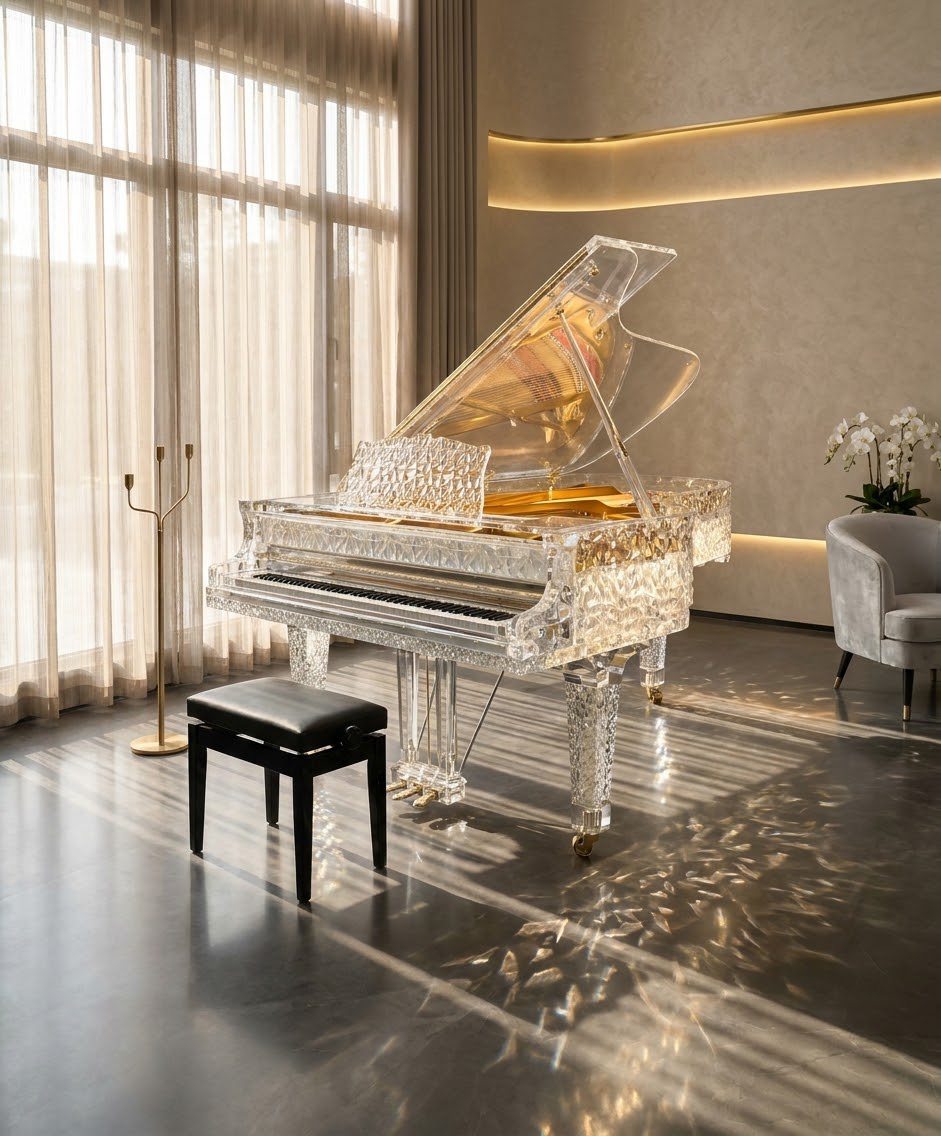
The translucent nature of synthetic crystal tables and chairs allows designers to play with light, shadow, and spatial depth in unprecedented ways. Unlike opaque furniture that blocks visual flow, these pieces create a sense of openness while still anchoring a room’s layout.
Custom color infusion techniques allow for gradient hues that shift with natural light throughout the day
Internal laser etching can embed subtle patterns, brand monograms, or artistic motifs without compromising structural integrity
Frosted, polished, or textured surface finishes cater to minimalist, maximalist, and avant-garde design aesthetics
2.2 Bespoke Art Collaborations
In 2026, leading luxury furniture studios are partnering with contemporary artists to create limited-edition synthetic crystal furniture collections that blur the line between functional design and fine art.
2026 Milan Design Week featured 12 limited-run synthetic crystal chair collections, with average selling prices of $45,000 per piece
Artists use 3D modeling tools to design complex internal structures that are only visible when light hits the piece at specific angles
Collectors now classify these pieces as functional art, with many pieces holding or increasing in value over 3–5 year holding periods
3. Engineering & Manufacturing: Precision at Scale
The accessibility of synthetic crystal furniture in 2026 is directly tied to advances in manufacturing technology that have reduced lead times and production costs while improving quality. What was once a niche, custom-only category now supports both bespoke commissions and semi-custom production runs.
3.1 Digital Manufacturing Workflows
Modern production facilities use end-to-end digital workflows that connect design concepts to final finishing, reducing human error and cutting production timelines by 40% compared to 2022 processes.
3D CAD modeling allows interior designers to preview exact piece dimensions, light refraction, and structural load capacity before production
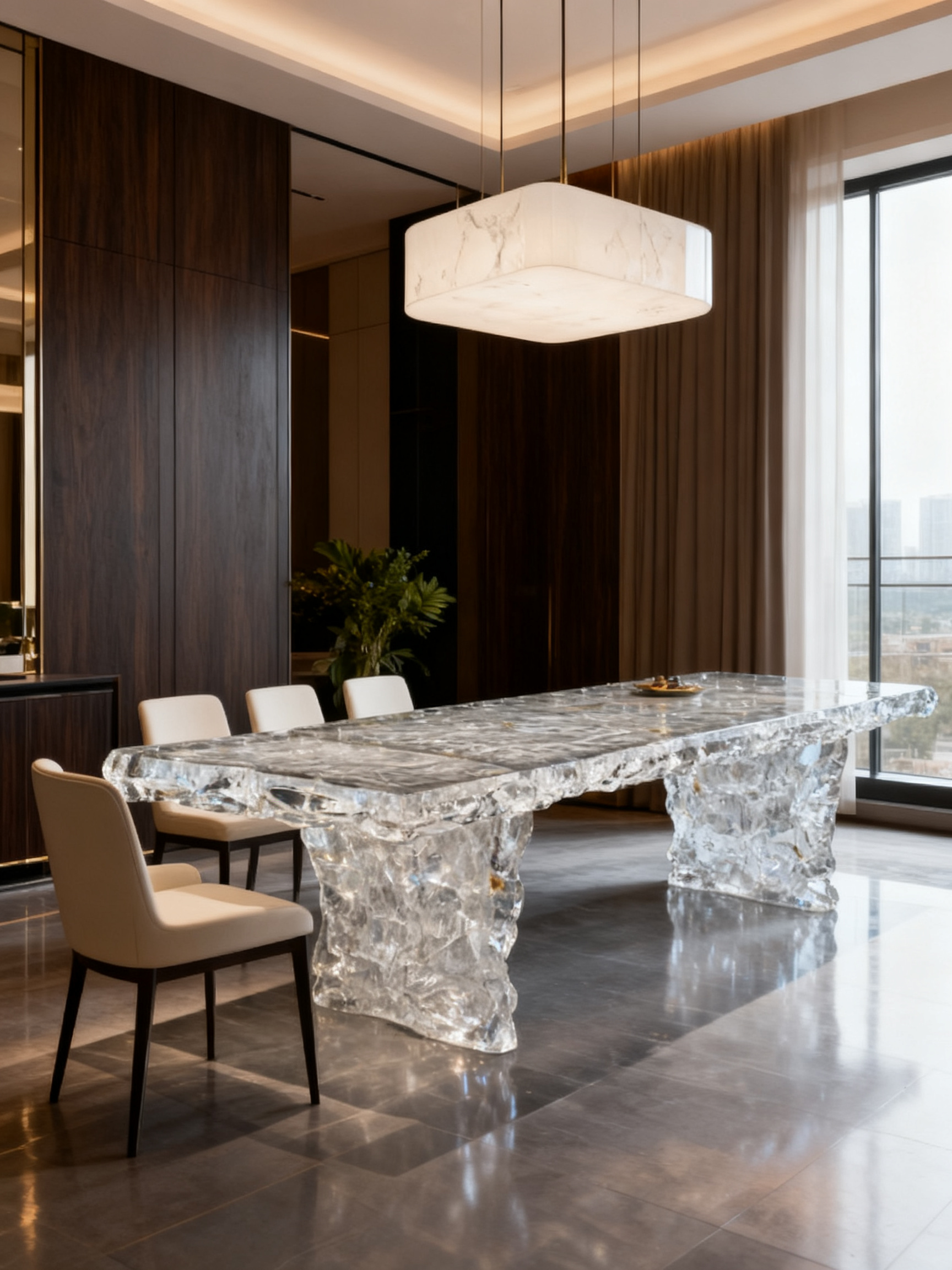
CNC cutting and polishing tools achieve edge precision within 0.05mm, ensuring seamless joins for large synthetic crystal tables
AI-powered quality inspection scans every piece for internal flaws, rejecting units that do not meet optical purity standards
3.2 Structural Engineering for Functional Furniture
A common misconception about artificial crystal furniture is that it is too fragile for daily use. Modern engineering solutions have addressed this concern, creating pieces that meet commercial furniture safety standards.
Reinforced core layers use fiber-mesh integration to improve impact resistance without reducing optical clarity
Weight distribution systems in table bases ensure even load bearing, with standard dining tables supporting up to 120kg of distributed weight
Anti-slip surface treatments are available for synthetic crystal chairs, improving safety for residential and hospitality use
4. Value Impact: How Synthetic Crystal Furniture Elevates Luxury Spaces
For high-end residential and commercial properties, material choices directly impact perceived value and market competitiveness. Synthetic crystal furniture has emerged as a key differentiator for properties targeting ultra-high-net-worth buyers and clients.
4.1 Residential Property Value Enhancement
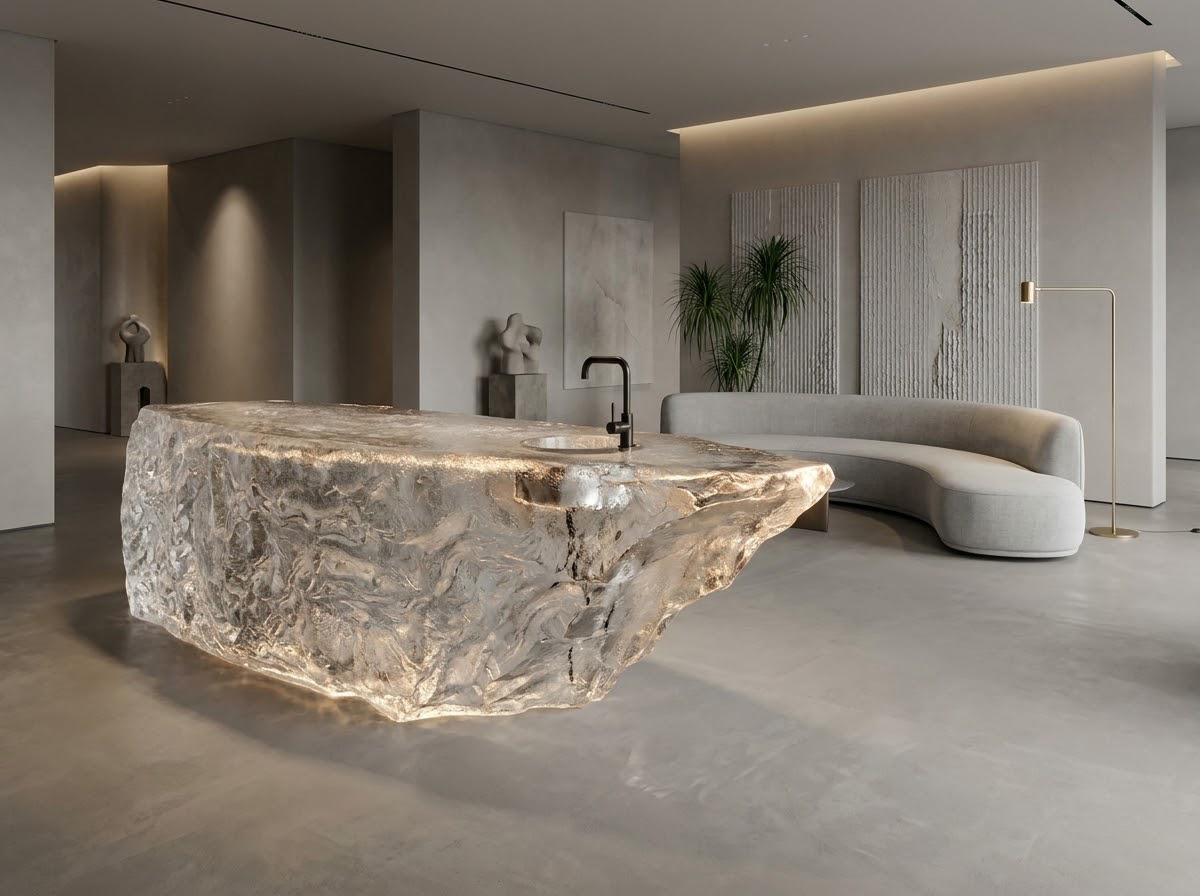
2026 data from the Luxury Home Association shows that homes with curated synthetic crystal furniture installations sell for 8–12% above comparable properties with traditional high-end furniture.
Buyers perceive crystal furniture as a sign of premium craftsmanship and attention to detail
The material’s timeless aesthetic reduces the need for frequent renovations, lowering long-term ownership costs
Custom synthetic crystal tables in dining rooms and foyers are cited as top “wow factor” elements in luxury home staging
4.2 Commercial & Hospitality Brand Differentiation
For luxury hotels, high-end retail spaces, and private clubs, synthetic crystal furniture creates memorable brand experiences that drive customer loyalty and social media visibility.
72% of luxury hospitality brands surveyed in 2026 plan to add synthetic crystal furniture pieces to their lobby or suite designs in the next 12 months
The material’s photogenic quality increases user-generated social media content, with #CrystalFurniture posts generating 2.3x more engagement than standard luxury furniture content
Custom branded pieces serve as signature design elements that distinguish properties from competitors
5. Future Outlook: Trends Shaping Synthetic Crystal Furniture Through 2028
As material science and design technology continue to evolve, synthetic crystal furniture will expand into new use cases and become more accessible to a broader range of design projects.
5.1 Emerging Material Innovations
Researchers are developing next-generation formulations that will expand the functional capabilities of synthetic crystal furniture beyond current limits.
Self-healing surface coatings that repair minor scratches when exposed to UV light, expected to launch commercially in 2027
Conductive crystal materials that integrate wireless charging and touch-sensitive controls directly into table surfaces
Bio-based crystal precursors that reduce production carbon footprint by 65% compared to current manufacturing processes
5.2 Market Expansion & Accessibility
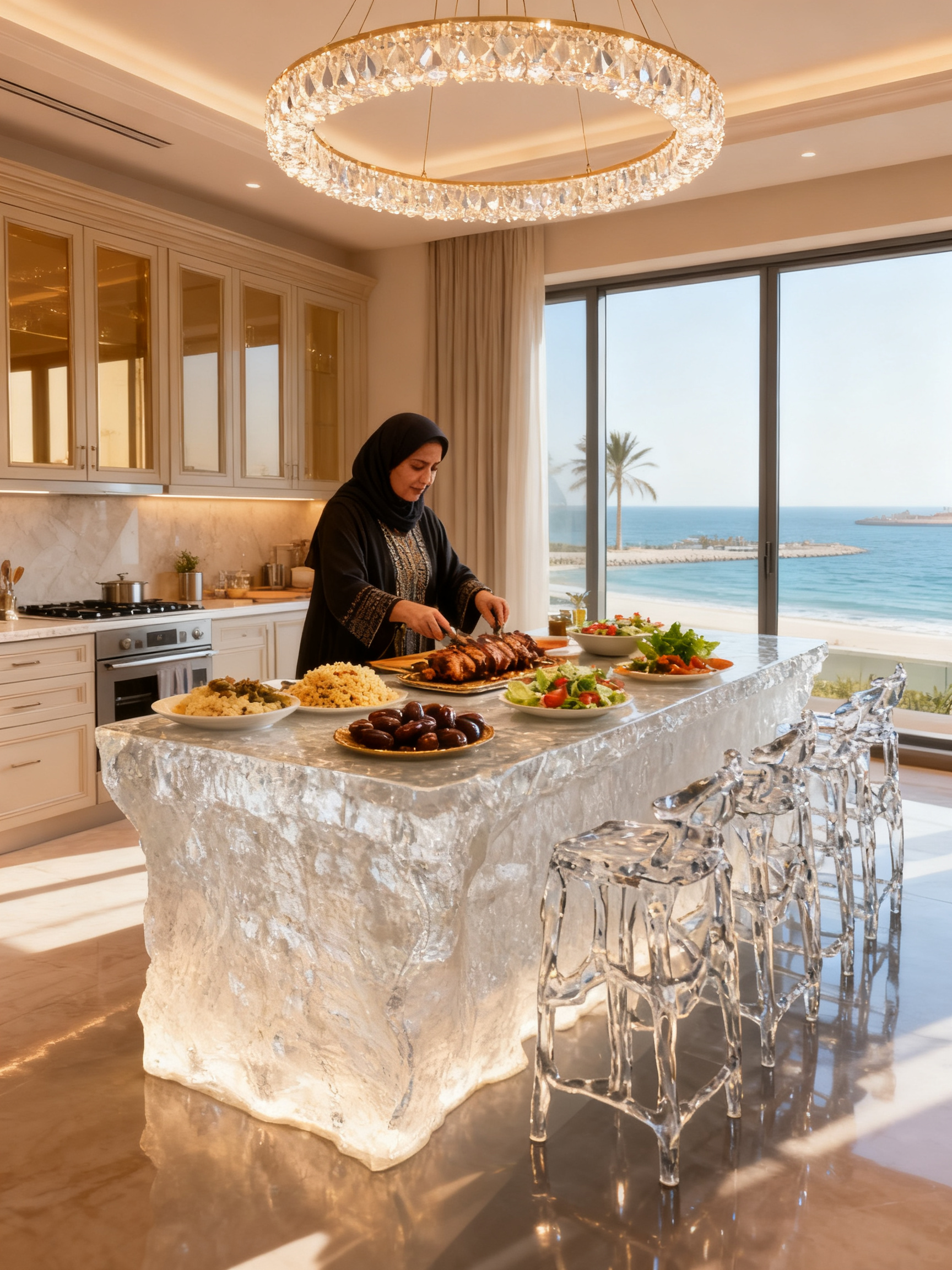
While currently focused on ultra-luxury markets, synthetic crystal furniture is expected to move into the premium residential segment by 2028 as production costs decrease.
Semi-custom collections will offer standard sizes with customizable finish options, reducing prices by 30–40% compared to fully bespoke pieces
Interior designers will have access to online configuration tools that allow them to customize pieces and receive instant pricing and lead time information
Rental and staging programs will make synthetic crystal furniture accessible for short-term events and property showings
For interior designers, material scientists, and luxury property stakeholders, synthetic crystal furniture represents a rare convergence of art, engineering, and economic value. As the category continues to mature in 2026 and beyond, it will redefine what is possible in luxury interior design, proving that innovation can deliver both beauty and tangible return on investment.