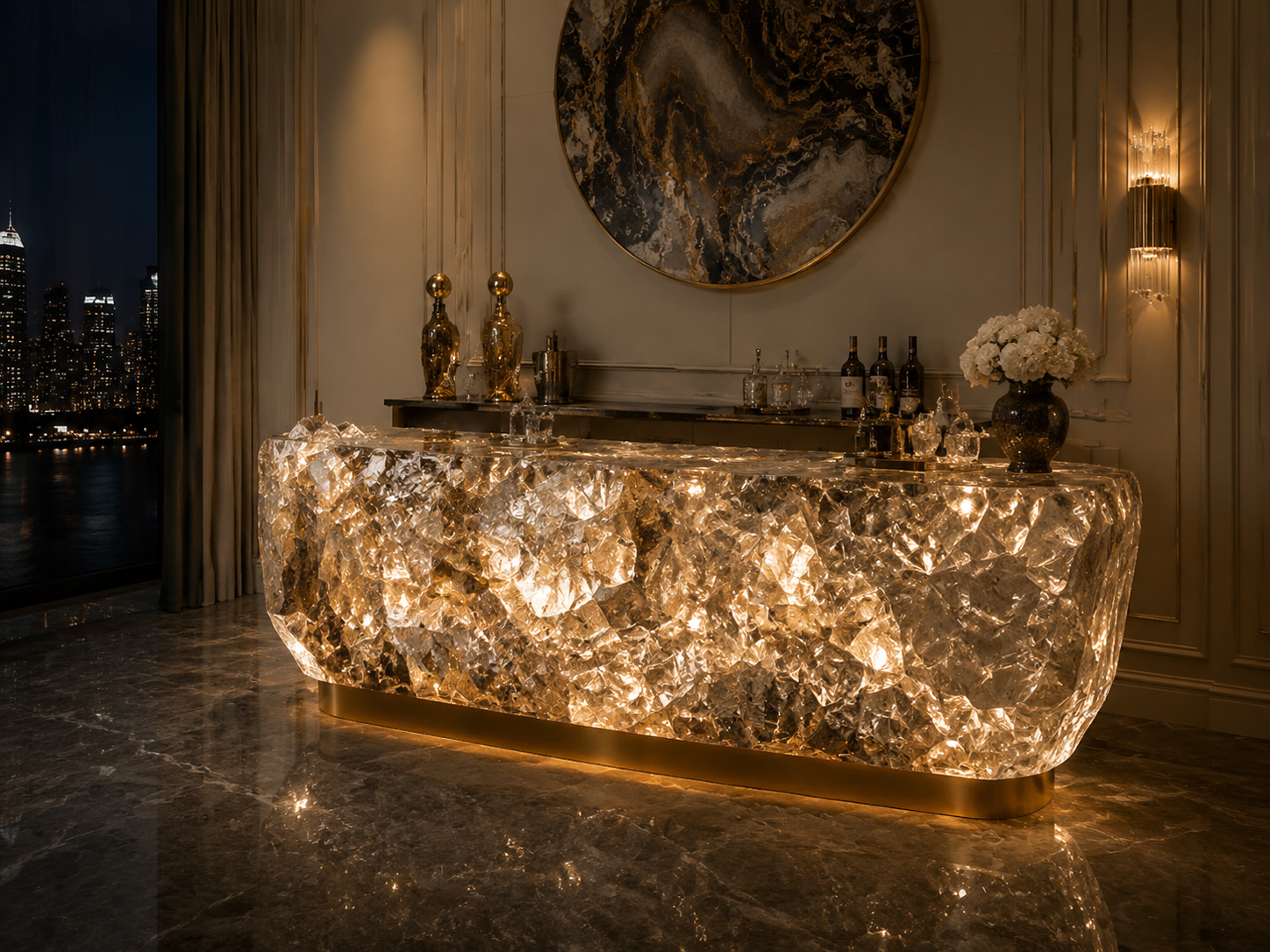
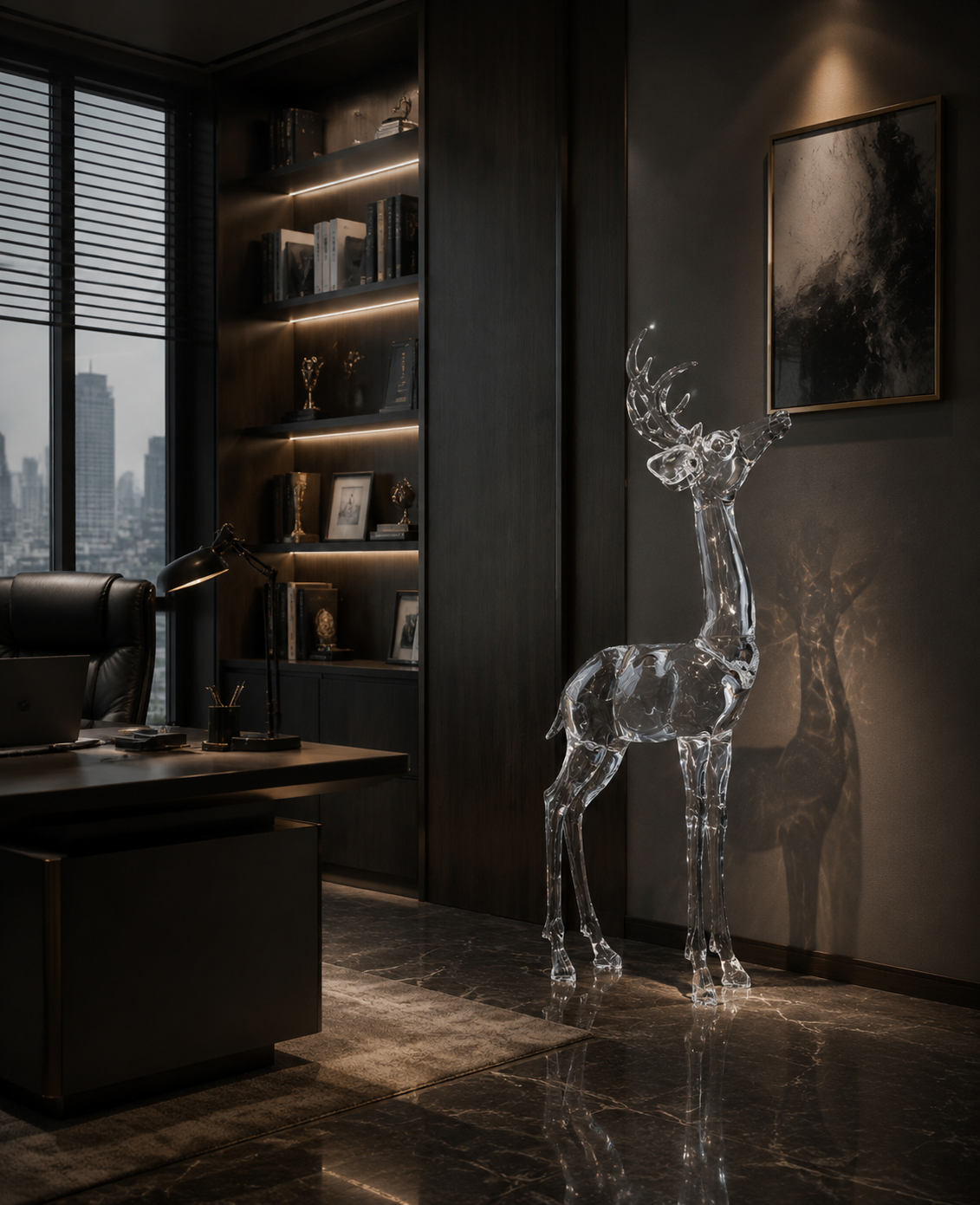
When customers walk into a luxury boutique, a five-star hotel lobby, or a premium showroom, their first impression is usually formed before they notice specific products or design details. The atmosphere, material quality, lighting, and spatial feeling work together to create an immediate perception of value.
For many years, luxury spaces relied on recognizable materials such as marble, brass, natural wood, and stone finishes to communicate quality. These materials remain important, but the market has changed. Today, many luxury brands, developers, and design companies face a new challenge: how to create spaces that feel exclusive when competitors can access similar materials and design styles.
This is why customized materials are becoming increasingly important in high-end commercial spaces.
The purpose of customized materials is not simply to make a project more expensive. The real value is creating something that belongs specifically to a brand. A specially developed surface texture, unique color effect, customized transparent structure, or signature furniture piece can help a space become recognizable and memorable.
Through our experience in high-end synthetic crystal furniture development, we have learned that successful luxury spaces are not created by using the most expensive materials everywhere. They are created by selecting the right material for the right location, then carefully controlling every detail from concept development to final installation.
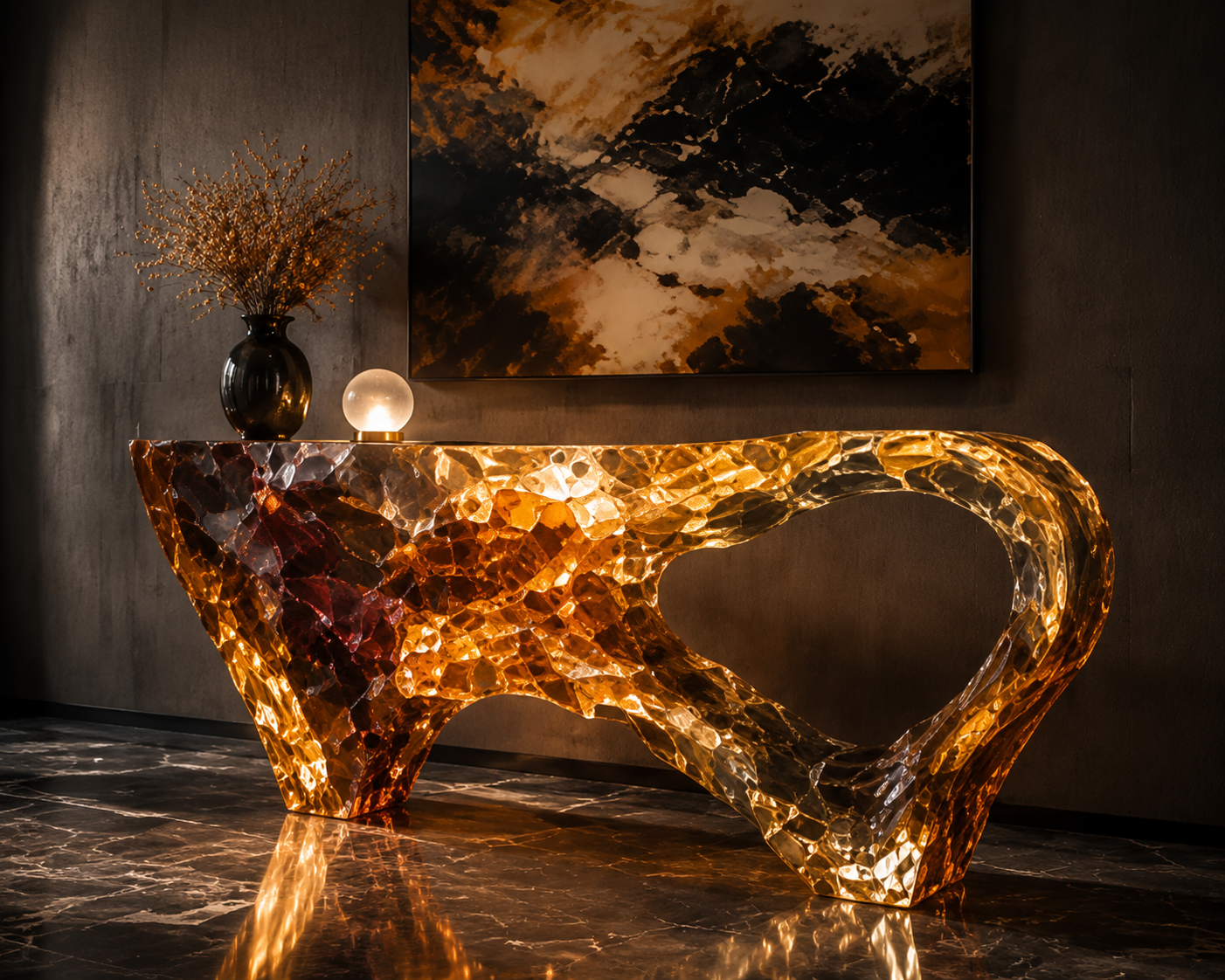
Why Standard Materials Are No Longer Enough for Luxury Brands
A common situation we see in premium projects is that a brand initially chooses a standard luxury material combination because it appears safe. For example, polished stone, metal finishes, and traditional furniture designs can create an elegant environment.
However, after comparing the design with competing spaces, many brands discover a problem: the space looks premium, but it does not feel unique.
This happens because standard materials are easy to reproduce. A competitor can choose the same marble, similar colors, and similar furniture styles. The result may look expensive, but it does not create a strong connection between the space and the brand.
Customized materials solve this problem by giving designers more control over appearance.
Instead of choosing from existing products, brands can develop materials based on their own requirements:
• Specific brand colors
• Special transparency levels
• Unique internal textures
• Customized shapes
• Different light reflection effects
For example, a luxury fashion store may want a modern and artistic atmosphere, while a private club may prefer a warmer and more exclusive feeling. The same material concept cannot work for every brand.
The material needs to support the story behind the space.
How Customized Materials Become Part of Brand Language
In luxury design, materials are becoming similar to visual branding elements.
A logo tells customers who a company is, but the physical environment tells customers how the company wants to be experienced.
A technology brand may use transparent materials to communicate innovation and future-oriented design.
A jewelry showroom may use crystal-like surfaces because they enhance light reflection and product presentation.
A boutique hotel may choose customized furniture materials to create a unique arrival experience.
Synthetic crystal furniture has become increasingly interesting for these applications because it offers designers the ability to control transparency, depth, color, and form.
A standard glass table may provide transparency, but a customized synthetic crystal table can be developed with specific visual effects that match the design concept.
The difference is not only the material itself. It is the ability to control how the material behaves inside a real environment.
What We Learned From Customized Material Development
One important lesson from custom furniture projects is that the first design idea is rarely the final solution.
A concept may look perfect in a rendering, but real production introduces many practical questions.
How will the material look under different lighting conditions?
Will the color become too strong after installation?
Can the structure support the required size?
Will transportation create risks?
Can the surface maintain its appearance after years of use?
These questions are where manufacturing experience becomes important.
A successful customized material project requires cooperation between designers and manufacturers from the beginning.
The goal is not simply producing what appears in a drawing. The goal is transforming the design concept into a product that works in the real world.
A Real Example: Why Transparent Material Requires Multiple Tests
Transparent materials are especially challenging because their appearance changes depending on the environment.
During a customized transparent furniture project, we received a requirement for a colored crystal-like surface that matched the brand’s visual tone. The first sample looked attractive under factory lighting. The color appeared rich and sophisticated.
However, when we tested the sample with the actual project lighting conditions, the result was different. The surrounding wall color and overhead lighting made the material appear darker than expected.
Instead of moving directly into production, we adjusted the color concentration and tested additional samples.
After several evaluations, we achieved a lighter and more balanced transparency effect that worked better with the space.
This experience showed us an important principle:
Transparent materials cannot be judged only by looking at a small sample.
They need to be tested inside the environment where they will finally exist.
Lighting, background colors, and surrounding materials all influence the final appearance.
The Custom Material Development Process
A professional customized material solution usually requires several stages.
Step 1: Understanding Brand and Space Requirements
Before developing materials, we first need to understand the purpose of the space.
Important questions include:
What feeling should customers experience?
Is the brand positioning modern, artistic, luxurious, or technological?
Where will the material be used?
Will customers touch the surface frequently?
A reception desk, dining table, display structure, and decorative wall feature all have different requirements.
Step 2: Material Concept Development
After understanding the project goals, designers and manufacturers evaluate:
• Transparency level
• Color direction
• Surface effect
• Structural requirements
• Manufacturing possibility
At this stage, creativity needs to work together with production knowledge.
A visually impressive idea may need adjustments to become realistic.
Step 3: Sample Production and Testing
Material samples are an important part of the process.
For high-end projects, one sample is often not enough.
Testing may include:
• Different color concentrations
• Different thickness options
• Lighting comparison
• Surface finishing evaluation
• Structural testing
Small changes can create major differences in the final visual effect.
Step 4: Production Optimization
After approval, the design moves into manufacturing.
At this stage, details such as:
• Processing methods
• Edge finishing
• Internal structure
• Transportation requirements
need careful planning.
The best results happen when design ambition and manufacturing capability are balanced.
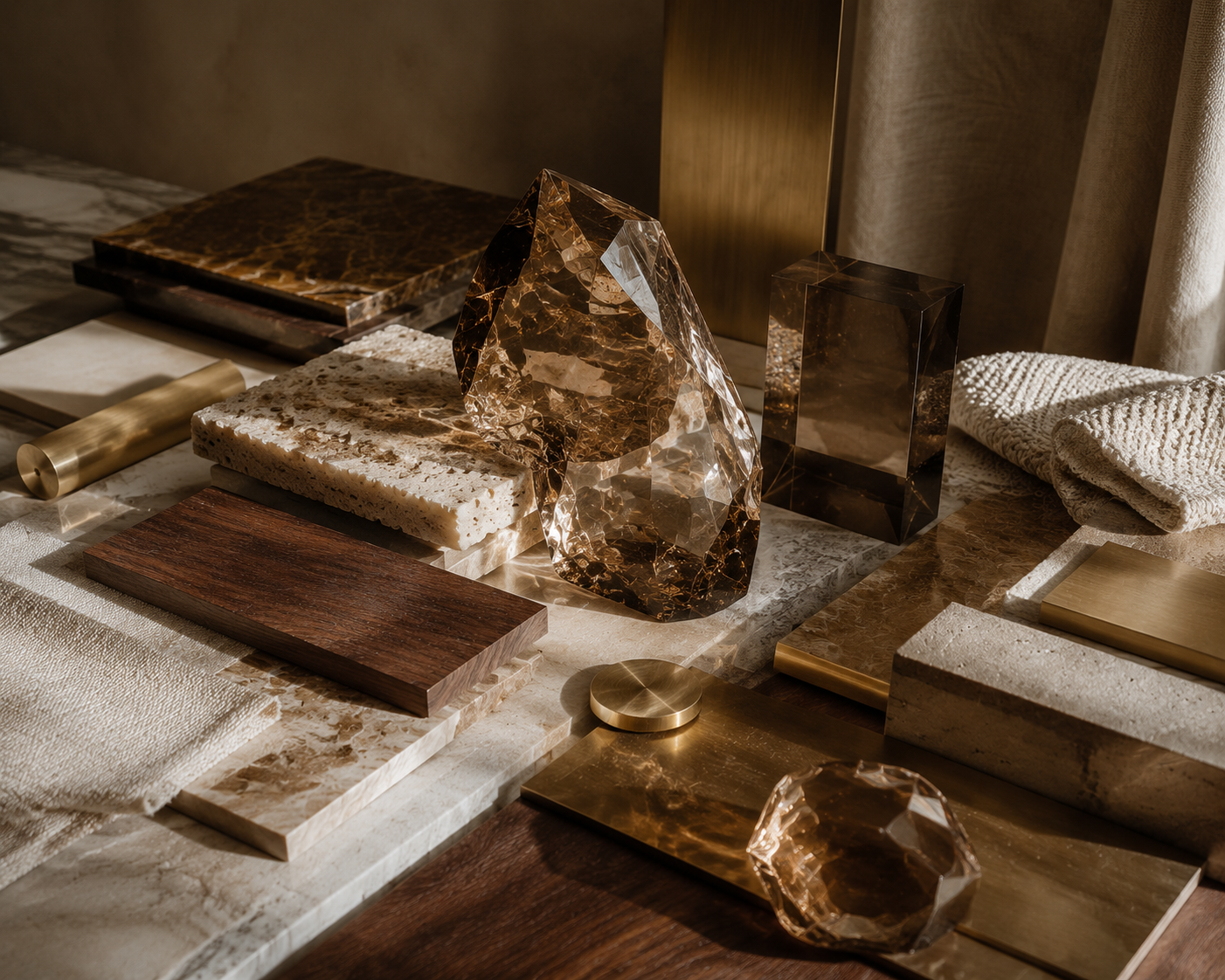
Common Challenges We See in Customized Material Projects
Challenge 1: The Sample Looks Different From the Final Installation
This is one of the most common issues with transparent materials.
A sample may look perfect in a controlled environment, but the final space has different conditions.
Natural light, artificial lighting, wall colors, and surrounding furniture all influence perception.
The solution is not simply producing more samples. The solution is testing materials under realistic conditions.
Challenge 2: Too Much Customization Can Increase Costs
Customization creates unique value, but unlimited customization can quickly increase complexity.
For many projects, we recommend focusing customization on important visual areas.
For example:
A signature reception desk may deserve a fully customized material solution.
A hidden functional area may not require the same level of customization.
The goal is maximizing design impact rather than customizing everything.
Challenge 3: Creative Designs May Be Difficult to Manufacture
Another challenge appears when designers create highly complex structures.
A concept may look excellent visually but create difficulties in:
• Production
• Structural stability
• Transportation
• Installation
We once evaluated a large transparent curved furniture concept where the original design created significant production and transportation risks.
After discussion with the design team, the structure was adjusted while keeping the original artistic direction.
The final solution achieved the desired appearance while becoming more practical to manufacture.
This is the real value of working with an experienced manufacturer: helping creative ideas become achievable products.
Why Synthetic Crystal, Premium Resin, and Platinum Acrylic Are Growing in Luxury Design
The development of advanced materials has expanded the possibilities of luxury interiors.
Traditional materials still have their place, but brands increasingly want materials that offer more creative freedom.
High-end synthetic crystal, premium resin, and platinum acrylic allow designers to explore:
Customized Transparency
Different levels of clarity and depth can create different visual experiences.
Unique Color Effects
Materials can be developed to match specific brand tones.
Artistic Textures
Internal patterns and surface treatments can create distinctive appearances.
Flexible Design Possibilities
Modern manufacturing allows more creative shapes and furniture structures.
Synthetic crystal is especially valuable for statement furniture because it combines functionality with artistic expression.
A crystal dining table, coffee table, reception counter, or display structure can become a recognizable feature within a brand environment.
Which Projects Benefit Most From Customized Materials?
Customized materials are especially suitable for projects where customer experience and brand image are important.
Luxury Retail Stores
Flagship stores often need unique environments that cannot be easily copied.
Customized furniture and materials can strengthen brand recognition.
Boutique Hotels
Hotel spaces depend heavily on atmosphere.
Unique materials can improve guest experience from the first moment of arrival.
Private Clubs
Exclusive spaces require individuality.
Customized materials help create a sense of uniqueness.
High-End Residential Projects
Private homeowners often want interiors that reflect personal taste rather than standard luxury styles.
However, customized materials are not always necessary for every project.
Large-scale fast construction projects or highly budget-controlled spaces may benefit more from standard solutions.
The key is understanding when customization creates real value.
Standard Materials vs Customized Materials
Standard materials:
• Faster selection process
• Lower development cost
• Easy replacement
• Higher possibility of repetition
Customized materials:
• Stronger brand recognition
• Unique visual identity
• More design freedom
• Longer development process
• Higher initial investment
For luxury brand spaces, the additional investment often creates value because the material becomes part of the customer experience.
Building the Future of Luxury Spaces Through Material Innovation
The future of premium design will not only focus on larger spaces or more expensive decoration. It will focus on meaningful details that create recognition.
Brands are searching for ways to make customers remember their environment, and customized materials provide one of the strongest solutions.
Synthetic crystal furniture represents this new direction because it allows designers to combine craftsmanship, technology, and artistic expression.
The most successful luxury spaces will not be those that simply use expensive materials. They will be the spaces where every material choice supports the brand story, solves practical challenges, and creates a unique experience that customers cannot find anywhere else.
Because in the future of luxury design, the material itself may become the signature that customers remember before they even remember the brand name.
READ MORE:
- How Unique Furniture Helps Luxury Spaces Stand Out in a Competitive Market
- What Designers Should Consider When Choosing Furniture for Luxury Projects
- How Statement Furniture Becomes the Focal Point of Luxury Interiors
- Why Some Designs Look More Premium at First Sight?
- Dal punto di vista del designer: quali materiali sono più adatti ai progetti di hotel di fascia alta?
- The Texture of High-End Hotel Spaces Often Lives in Material Details
- Perché i designer danno sempre più importanza all’eseguibilità dei materiali?
- Nel design degli hotel di alta gamma, la scelta dei materiali incide più della forma sulla qualità finale
- Un progetto alberghiero di alta gamma: come elevare la qualità dello spazio attraverso la scelta dei materiali
READ MORE:
- Dal materiale trasparente al valore del brand: il potenziale commerciale dei mobili in cristallo sintetico acrilico
- Perché l’arredamento di alta gamma sta passando dal “design accumulativo” al “design puro”?
- Mobili in cristallo sintetico acrilico: un’espressione leggera di eleganza e lusso negli spazi moderni
- Mobili in cristallo sintetico acrilico: la nuova direzione di crescita del mercato dell’arredamento di alta gamma del futuro
- High-End Space Material Selection: The Customer Experience Is Not Defined by Price, but by These Three Details
- How Unique Furniture Helps Luxury Spaces Stand Out in a Competitive Market
- What Designers Should Consider When Choosing Furniture for Luxury Projects
- How Statement Furniture Becomes the Focal Point of Luxury Interiors
- Why Some Designs Look More Premium at First Sight?


