In contemporary spatial design, materials are no longer merely basic elements used to complete the functions of a space. They have become an essential language for expressing design concepts, shaping spatial emotions, and creating memorable experiences. When people describe a space as “premium,” they often use words such as “transparent,” “light,” “elegant,” or “sophisticated.” However, these visual impressions are not simply created by using expensive materials. They come from a designer’s deep understanding of material properties, lighting relationships, spatial proportions, and practical applications.
Why do some spaces filled with stone and metal still feel heavy and overwhelming? Why can some spaces achieve a refined, futuristic atmosphere with only glass, acrylic, metal mesh, or translucent panels? The answer lies not in choosing the most expensive materials, but in choosing the materials that best match the logic and purpose of the space.
Transparency, lightness, and a sense of luxury are all created through the interaction between materials and the environment. When selecting materials, professional designers need to evaluate four key aspects: physical characteristics, visual performance, functional requirements, and long-term value.
1. Material Selection Should Serve the Logic of Space, Not Simply Pursue Visual Impact
When people think about spatial materials, they often misunderstand what makes a material valuable. Many believe that premium materials are those with higher prices, complicated textures, or strong visual effects. However, professional designers understand that the true value of a material lies in whether it effectively solves spatial challenges.
For example, in a limited-size commercial space, using large amounts of dark stone and heavy wood finishes may create a sense of quality, but it can also make the space feel smaller and more distant. In contrast, transparent or translucent materials used as partitions can allow light to pass through and visually extend the space, making a compact area feel more open.
In real projects, designers usually consider several important questions: What emotion should the space communicate? How long will users stay in the environment? How is natural light distributed? What role does the material need to play?
Take a hotel lobby as an example. Designers do not simply ask, “Which material looks the most expensive?” Instead, they consider the guest’s first impression upon entering the space. A lobby needs to feel welcoming, comfortable, and high-quality. Therefore, materials are often selected based on their ability to reflect light softly, create visual layers, and maintain long-term durability. Translucent stone, frosted glass, and metallic finishes can interact with lighting to create a dynamic and sophisticated atmosphere.
Materials are not decorative additions to a space. They are part of the story that the space tells. Great design allows materials to support the overall experience rather than dominate it.
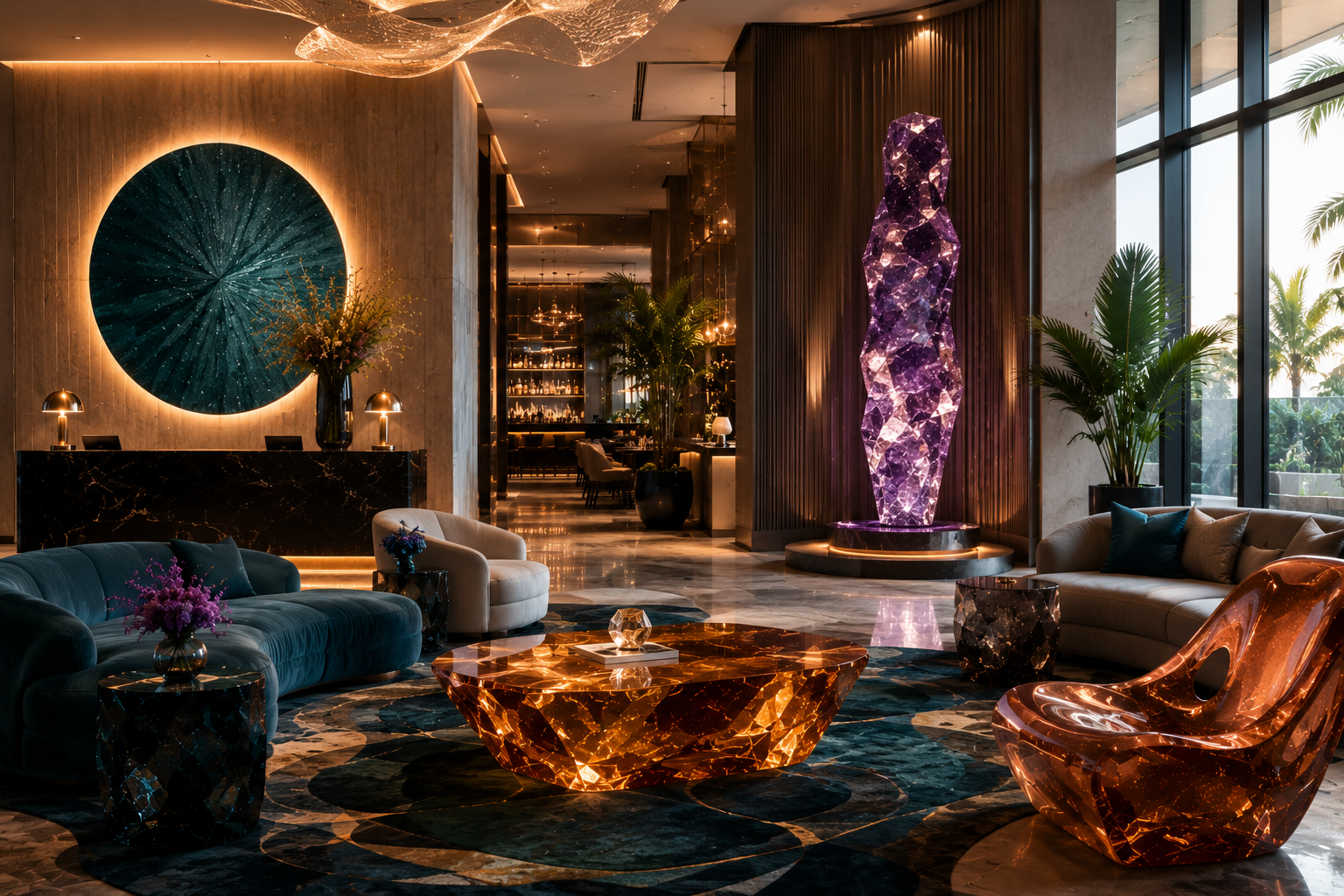
2. The Luxury of Transparent Materials Comes from Redefining Light and Boundaries
Transparent materials have become increasingly popular in commercial spaces, offices, and luxury residences. However, truly sophisticated transparent design is not simply about installing glass walls everywhere.
The greatest value of transparent materials lies in their ability to redefine spatial boundaries.
Traditional walls focus on separation, while transparent materials focus on connection. They allow different areas to maintain functional independence while creating visual continuity. For example, in high-end office spaces, glass partitions provide privacy for meeting rooms and offices while allowing natural light to flow throughout the workspace.
However, transparency does not always mean maximum visibility. Designers must choose different levels of transparency according to the needs of each space.
Clear glass is suitable for areas that encourage openness and interaction, such as exhibition spaces and retail stores. Frosted glass works better in areas requiring privacy, such as offices and bathrooms. Laminated glass, gradient glass, and other specially processed materials can introduce artistic qualities while maintaining functionality.
In luxury residential projects, designers often use transparent acrylic, glass blocks, or translucent resin materials to create unique spatial elements. For example, a translucent entrance partition can prevent direct visibility into the living area while maintaining openness and brightness.
The true luxury of transparent materials does not come from simply being able to see through them. It comes from creating subtle layers of visibility. The most refined spaces understand how to control visual information and create room for imagination.
3. Lightness Is Not Determined by Material Weight, but by Visual Balance and Structural Design
Many people associate lightness with thin and lightweight materials. However, in spatial design, lightness is primarily a visual experience rather than a physical characteristic.
A heavy marble slab can appear light when installed with a floating structure and hidden connections. Meanwhile, a thin panel can still make a space feel heavy if its proportions and colors are poorly balanced.
Designers usually create a sense of lightness through three approaches.
First, they consider the visual characteristics of materials. Glass, metal mesh, and translucent panels naturally create a lighter feeling because they interact with light through transparency and reflection.
Second, they focus on structural methods. Floating cabinets, concealed connections, and slim-frame designs can reduce visual weight. Many luxury exhibition spaces use suspended display platforms, making products appear as if they are floating. This effect comes not only from the material itself but also from the relationship between material and structure.
Third, they carefully balance different materials. A space made entirely of transparent materials may lack stability and warmth. Therefore, designers often combine materials strategically. Glass paired with wood creates warmth; metal paired with stone adds refinement; transparent materials combined with soft textiles reduce a cold atmosphere.
True lightness is a feeling of freedom supported by stability. A well-designed space should appear effortless while remaining comfortable, reliable, and high-quality.
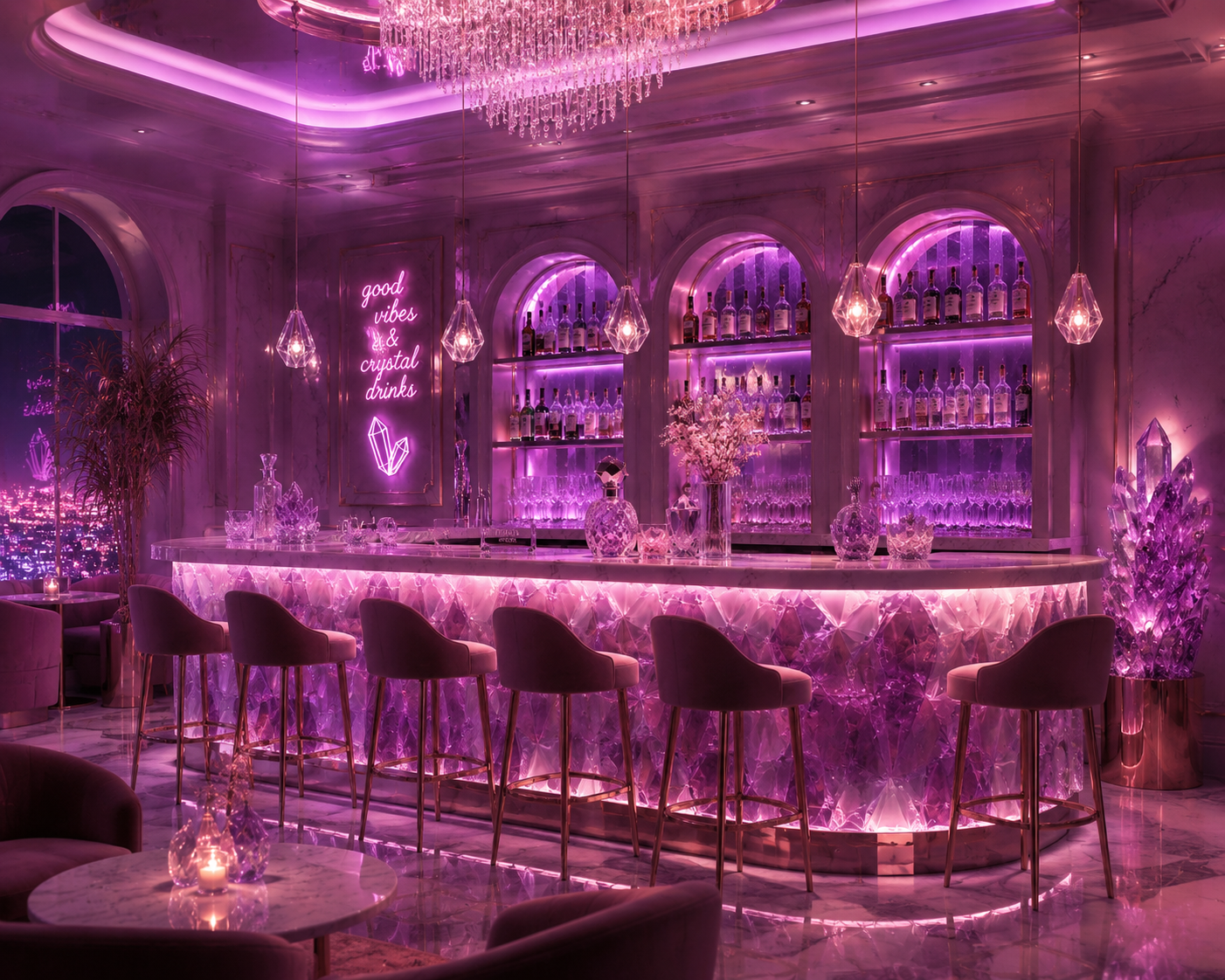
4. A Sense of Luxury Comes from Material Combination, Not the Display of a Single Expensive Material
In real design projects, few spaces rely on only one material to create a premium atmosphere. Outstanding designs usually combine different materials to create rich visual and sensory experiences.
For example, a high-end restaurant using only polished metal surfaces may feel cold and distant, while a space using only wood may lack a contemporary character. Designers often combine metal, wood finishes, glass, stone, and textiles to allow each material to perform a specific role.
Stone provides stability and a connection to nature. Metal represents precision and modernity. Glass expands spatial perception. Wood introduces warmth. Textiles improve comfort through touch and softness.
This approach is commonly seen in luxury retail design. International brands rarely rely on expensive materials alone. Instead, they build brand identity through carefully designed material relationships. Reflective metals may express a futuristic atmosphere, natural stone may communicate uniqueness and rarity, while warm lighting creates approachability.
The sophistication of materials comes from balance.
When every material tries to attract attention, the space loses focus. Mature design allows materials to complement each other, enabling users to experience the overall atmosphere rather than focusing on individual elements.
5. Designers Must Consider Beauty, Functionality, and Long-Term Value When Choosing Materials
Spatial design is not created only for short-term presentation. It must serve people over years of use. Therefore, material selection cannot focus only on initial appearance. Durability, maintenance, safety, and future adaptability are equally important.
For example, commercial spaces experience high levels of daily use. Materials that are easily scratched or difficult to maintain may lose their premium appearance quickly, even if they look impressive at first.
Professional designers evaluate questions such as:
Is the material suitable for the actual environment?
Can it withstand long-term use?
Is maintenance convenient?
Will it maintain its value over time?
In public spaces, glass must meet safety and impact-resistance requirements. Metal surfaces need corrosion resistance. Wood requires consideration of humidity and environmental changes. Stone needs evaluation of water absorption and maintenance methods.
Professional material selection is not about creating a beautiful image for a presentation. It is about ensuring that a space remains valuable and visually appealing years or even decades later.
Many timeless buildings and interiors remain influential not because they use the most fashionable materials, but because designers selected materials that match the environment, function, and long-term vision.
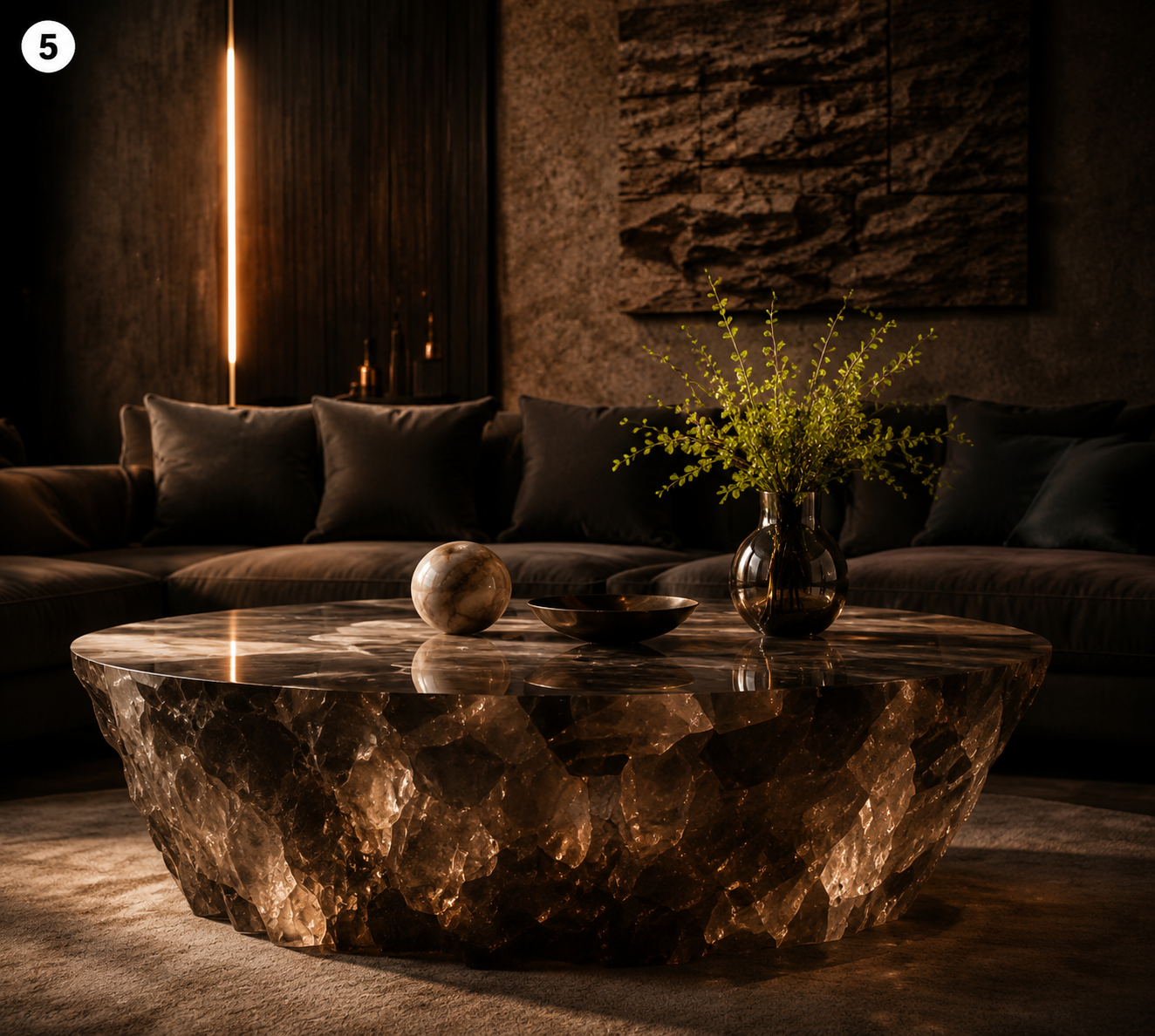
6. The Future of Spatial Materials: A Combination of Technology and Nature
As design concepts continue to evolve, spatial materials are moving beyond decoration toward intelligence, sustainability, and environmental responsibility.
Future materials will focus increasingly on the relationship between people and their surroundings.
For example, smart glass can automatically adjust transparency according to lighting conditions, improving comfort and energy efficiency. Sustainable composite materials can reduce resource consumption while maintaining excellent visual performance. Advanced translucent materials can create spatial experiences that traditional materials cannot achieve.
At the same time, natural materials are regaining importance. Wood, stone, and plant-based materials remain essential in high-end design because of their unique textures, warmth, and connection to nature.
The future of great spaces will not simply pursue either technology or natural aesthetics. Instead, it will combine both. Technology will enhance material performance, while natural materials will bring emotional depth and human connection.
Designers are ultimately choosing a language when they select materials.
Transparency represents a new understanding of spatial boundaries. Lightness represents a new approach to visual balance. Luxury is created through the integration of materials, lighting, structure, and emotion.
Exceptional spaces are not created by using more materials, but by placing the right material in the right position. When materials truly align with spatial logic, they create value beyond appearance and allow users to experience the professionalism, creativity, and intelligence behind the design.


