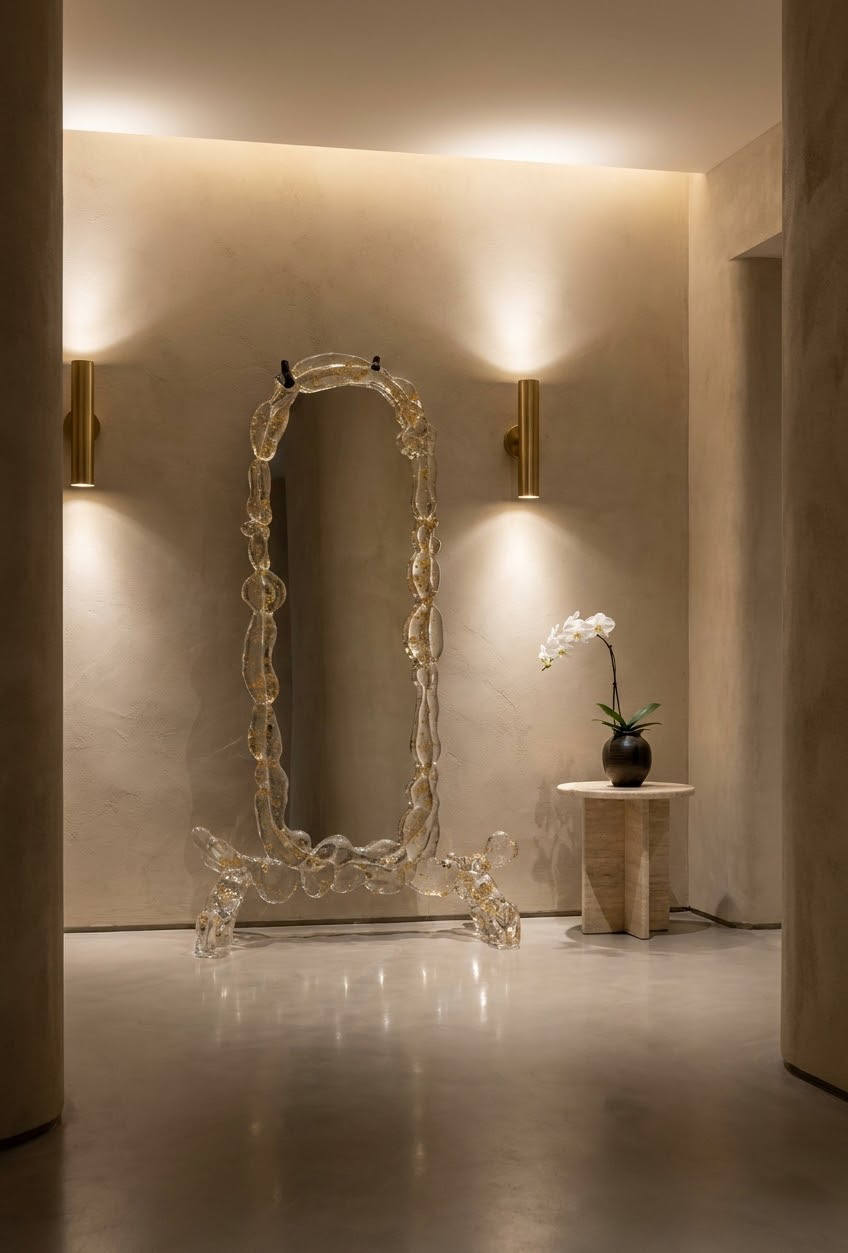
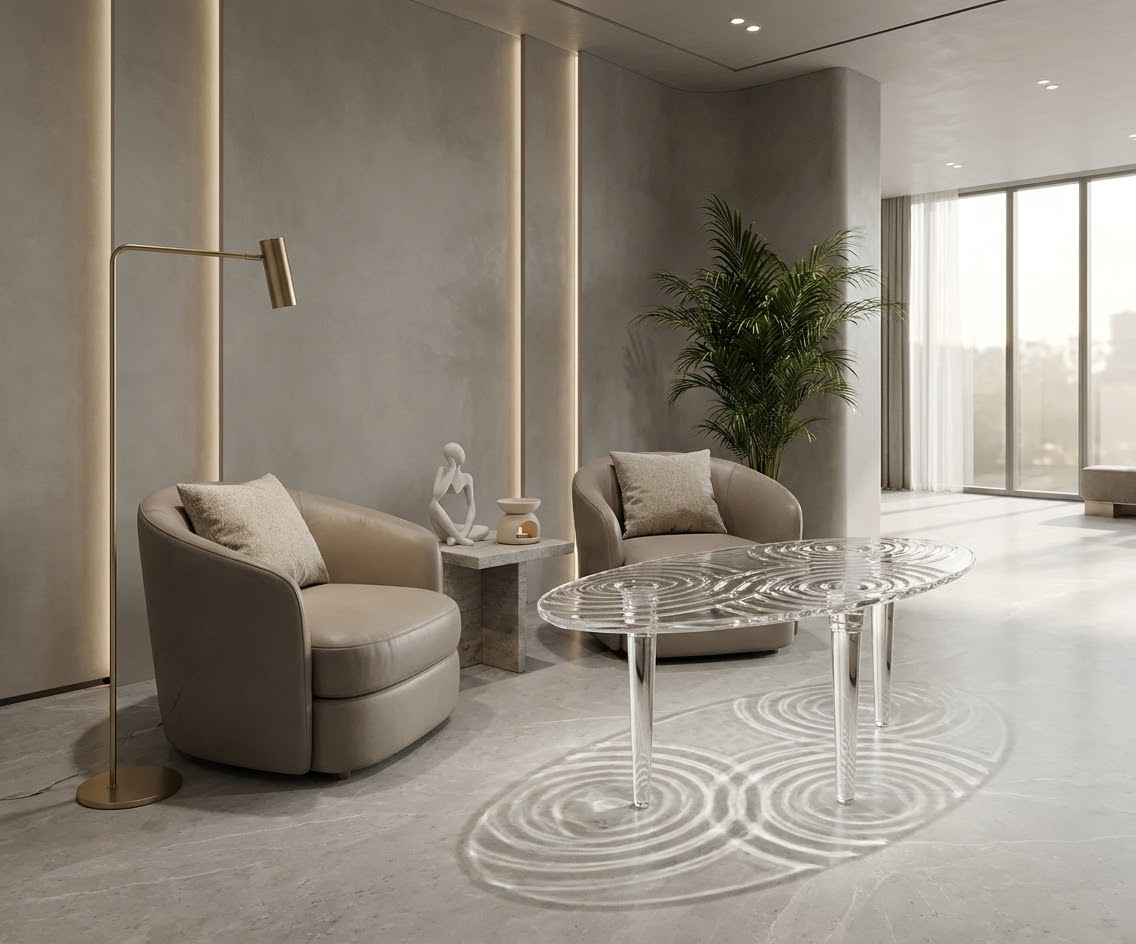
Synthetic crystal furniture has emerged as a transformative category in high-end architecture and interior design, blending aesthetic luxury with advanced material science. For interior designers seeking to push the boundaries of contemporary spaces, these pieces offer unmatched transparency, durability, and design flexibility. As of 2026, the global market for artificial crystal furniture has grown 38% year-over-year, driven by demand from luxury residential and commercial projects.
This guide breaks down the three core pillars of synthetic crystal furniture creation: material design, structural engineering, and manufacturing工艺. We’ll explore how industry experts are leveraging high-purity optical-grade materials to create pieces that are both visually striking and structurally sound.
1. Material Design Foundations for Synthetic Crystal Furniture
Material design is the cornerstone of every high-quality synthetic crystal furniture piece, directly impacting aesthetics, performance, and longevity. In 2026, manufacturers are pushing beyond standard acrylic and glass alternatives to develop formulations tailored specifically for furniture applications.
1.1 Core Material Properties and Formulations
Modern synthetic crystal furniture relies on advanced polymer and crystal composite formulations that balance clarity with structural integrity. Unlike traditional glass, these materials can be molded into complex shapes without sacrificing transparency.
Key material properties driving 2026 design trends include:
High surface hardness: Rating 6-7 on the Mohs scale, resisting scratches from daily use
UV stability: 99% UV resistance to prevent yellowing over 15+ years of use
Light transmission: Up to 93% clarity, comparable to high-purity optical-grade materials
Impact resistance: 5-10 times stronger than tempered glass of the same thickness
Leading 2026 formulations incorporate nanocrystal reinforcements that enhance strength without reducing transparency. These materials are also available in customizable refractive indexes, allowing designers to create unique light diffusion effects.
1.2 Material Selection for Different Furniture Types
Choosing the right material formulation depends on the specific furniture application, load requirements, and design intent. Interior designers often collaborate with material scientists early in the design process to match materials to project needs.
Common material selections by product type:
Synthetic crystal tables: 20-50mm thick reinforced crystal composite for tabletops, balancing clarity with load-bearing capacity
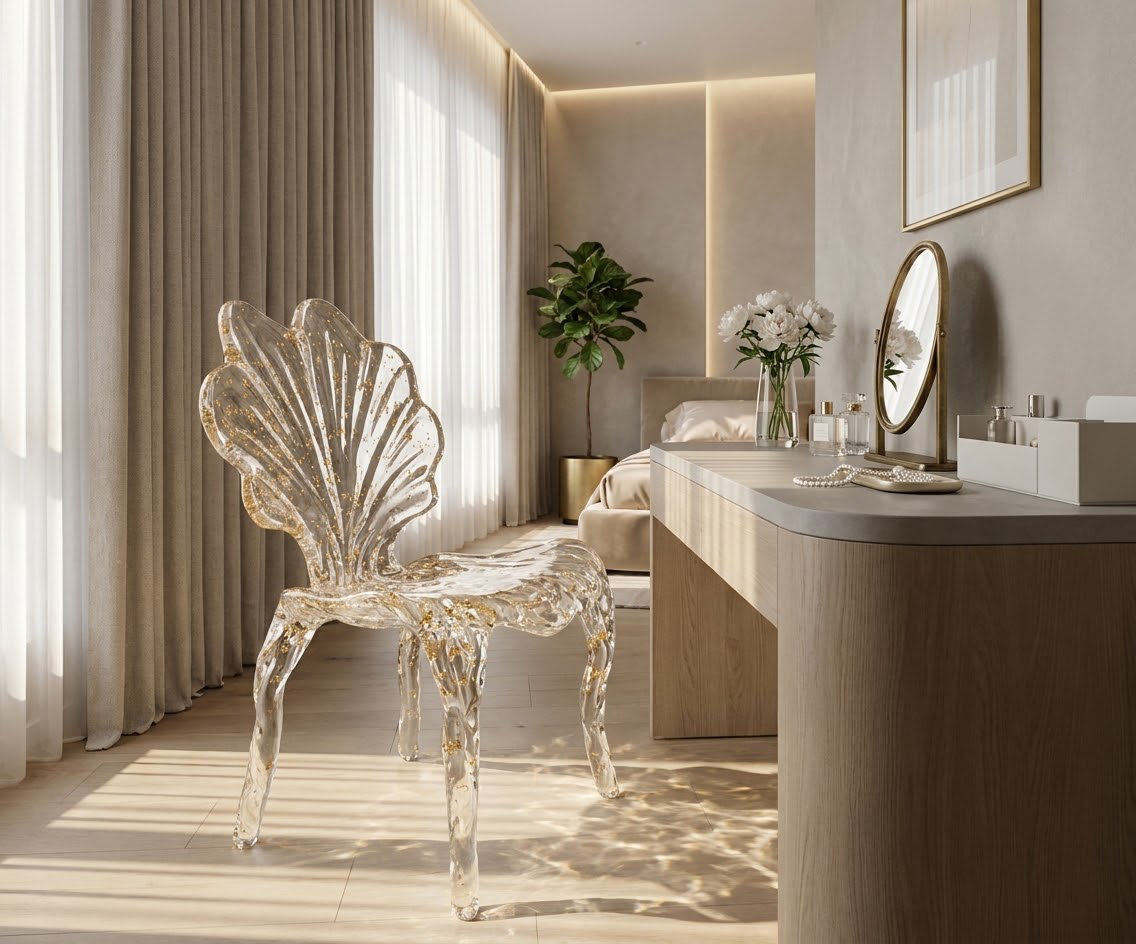
Synthetic crystal chairs: 15-30mm thick flexible crystal polymer for seat and back components, with reinforced joint areas
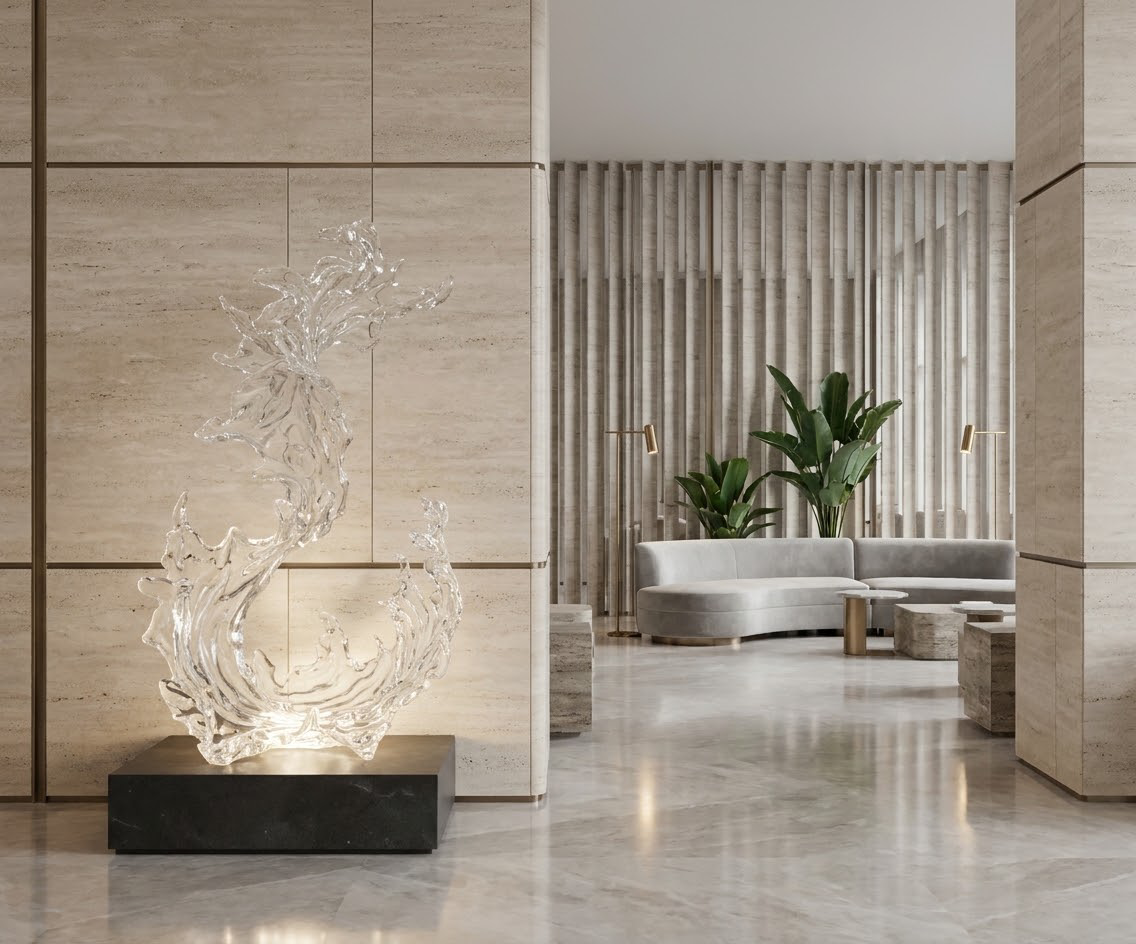
Decorative crystal elements: 5-15mm thick high-purity optical-grade materials for maximum light transmission
Outdoor crystal furniture: UV-stabilized, temperature-resistant formulations with enhanced weather resistance
Material selection also considers fabrication feasibility, as different formulations respond differently to cutting, polishing, and molding processes.
2. Structural Engineering Principles for Synthetic Crystal Furniture
Structural engineering ensures synthetic crystal furniture is safe, durable, and capable of withstanding daily use. Unlike traditional wood or metal furniture, crystal materials require specialized engineering approaches to address their unique properties.
2.1 Load-Bearing Design and Stress Distribution
Proper load distribution is critical for synthetic crystal furniture, as these materials are strong but can be brittle under concentrated stress. 2026 engineering software allows for precise finite element analysis (FEA) to identify potential stress points before production.
Key engineering considerations include:
Edge reinforcement: Rounded or beveled edges to reduce stress concentrations
Support structure placement: Strategic placement of hidden metal or composite supports
Load testing compliance: Meeting ANSI/BIFMA X5.1-2026 standards for seating and table products
Thermal expansion accommodation: Designing for 0.00008% per °C expansion rate of crystal materials
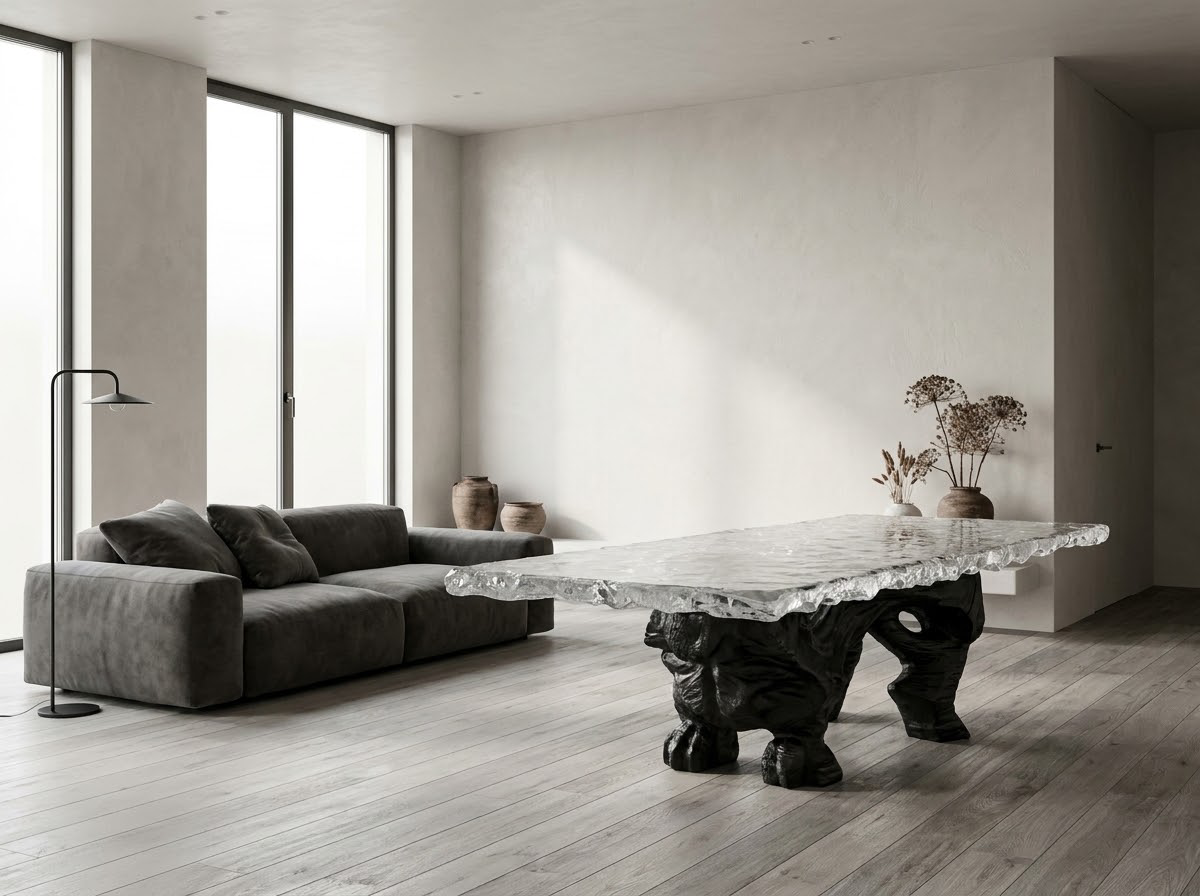
For synthetic crystal tables, engineering teams often use a "floating support" design that distributes weight across the entire tabletop surface rather than concentrating it at leg connection points. This approach maintains the illusion of a seamless crystal slab while ensuring structural safety.
2.2 Joint and Connection Technologies
The weakest points in any synthetic crystal furniture piece are the joints and connections, making advanced joining technologies critical for overall durability. 2026 manufacturing techniques create nearly invisible joints that maintain both strength and aesthetic continuity.
Common 2026 joint technologies:
UV-cured adhesive bonding: Creates bonds stronger than the base material with 99% optical clarity
Interlocking crystal joints: Precision-machined dovetail or mortise-and-tenon joints in crystal material
Hidden mechanical fasteners: Stainless steel or titanium fasteners concealed within crystal components
Thermal fusion bonding: Heat-based joining for seamless, invisible connections
For synthetic crystal chairs, joint design is particularly critical at the seat-back and seat-leg connections, which experience repeated dynamic stress. Leading manufacturers use a combination of adhesive bonding and hidden mechanical fasteners to achieve maximum durability while maintaining the furniture’s sleek, transparent appearance.
3. Advanced Manufacturing Processes for Synthetic Crystal Furniture
2026 manufacturing technologies have made complex synthetic crystal furniture designs commercially viable, reducing production time and improving consistency. From initial forming to final polishing, each step requires specialized equipment and expertise.
3.1 Forming and Shaping Technologies
The forming process determines the basic shape and structure of synthetic crystal furniture components. Modern techniques allow for both mass production and fully custom, one-of-a-kind pieces.
Primary forming methods in 2026:
Cast molding: Pouring liquid crystal resin into precision molds for complex, organic shapes
CNC machining: Computer-controlled cutting and shaping from solid crystal blocks for high precision
Thermoforming: Heating and bending crystal sheets for curved components like chair backs
3D crystal printing: Additive manufacturing for highly complex, geometrically intricate designs
High-purity optical-grade materials require extra care during forming to avoid internal imperfections that could compromise both appearance and strength. Manufacturers use vacuum degassing and controlled cooling processes to ensure crystal clarity throughout the material.
3.2 Finishing and Quality Control Processes
Finishing processes transform raw formed components into polished, high-end synthetic crystal furniture pieces. Quality control at every stage ensures final products meet strict aesthetic and performance standards.
Critical finishing and QC steps:
Precision polishing: Multi-stage diamond polishing to achieve optical-grade surface finish
Edge treatment: Beveling, rounding, or flame polishing for safety and aesthetics
Coating application: Optional scratch-resistant or anti-fingerprint coatings
Final inspection: Visual inspection for imperfections, plus structural load testing
High surface hardness is verified through standardized Mohs scratch testing, with premium pieces required to pass a 6.5 Mohs test. Quality control teams also check for optical clarity, ensuring no bubbles, streaks, or discoloration are present in the final product.
4. Integration of Design, Engineering, and Manufacturing
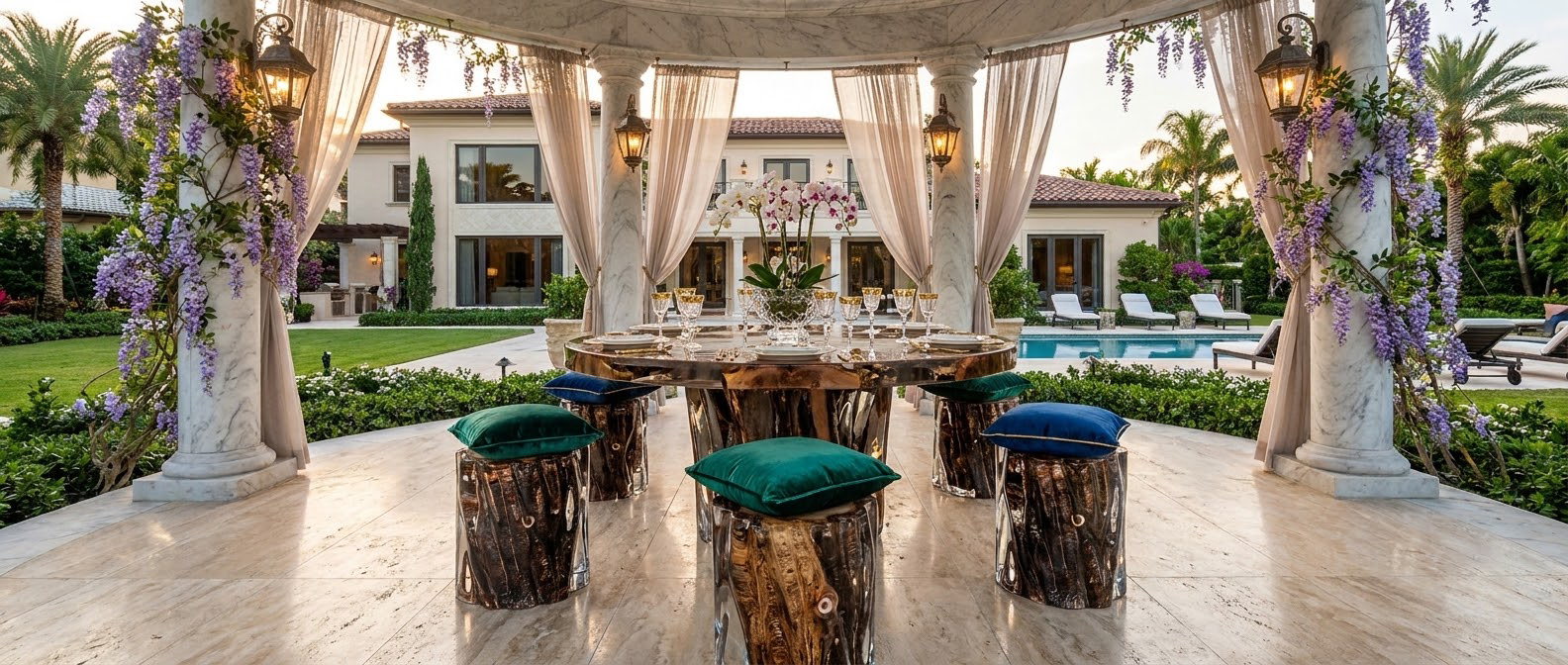
The most successful synthetic crystal furniture projects result from seamless integration between design, engineering, and manufacturing teams. In 2026, collaborative digital tools have streamlined this process, reducing development time by 40% compared to 2022 methods.
4.1 Digital Collaboration Workflows
Digital twin technology and cloud-based collaboration platforms allow interior designers, engineers, and manufacturers to work together in real time, even across global locations.
Key components of 2026 collaborative workflows:
3D model sharing: Real-time access to parametric design models for all stakeholders
Virtual prototyping: Digital testing of design concepts before physical production
Material simulation: Predicting how different crystal formulations will perform in specific designs
Production planning integration: Designing for manufacturability from the earliest concept stages
For example, when designing custom synthetic crystal tables for a luxury hotel project, the design team can share initial concepts with engineers who immediately identify potential structural issues. Manufacturers can then provide feedback on production feasibility, all before any physical materials are cut.
4.2 Case Study: Integrated Project Example
A 2026 residential project in Miami demonstrates the power of integrated design, engineering, and manufacturing for synthetic crystal furniture. The project included a custom 12-foot dining table and eight matching synthetic crystal chairs for a waterfront penthouse.
Project integration highlights:
Design phase: Interior designers collaborated with material scientists to select a high-purity optical-grade material with a subtle blue tint that complemented the ocean view
Engineering phase: FEA analysis identified the need for hidden carbon fiber supports within the table base to handle the 800-pound tabletop weight
Manufacturing phase: CNC machining and hand polishing were combined to achieve seamless joints and optical clarity
Installation phase: Specialized rigging and installation teams worked with designers to ensure perfect placement and alignment
The final pieces received the 2026 Luxury Furniture Design Award, recognized for their innovative combination of aesthetic beauty and technical achievement. This project demonstrates how artificial crystal furniture can be both a functional design element and a work of art.
5. Future Trends and Practical Applications for 2026 and Beyond
As synthetic crystal furniture technology continues to evolve, new applications and design possibilities are emerging. For interior designers, staying ahead of these trends is essential for delivering cutting-edge solutions to clients.
5.1 Emerging Trends in Synthetic Crystal Furniture
2026 market data shows several key trends shaping the future of synthetic crystal furniture, from smart technology integration to sustainable materials.
Top 2026 trends to watch:
Smart crystal furniture: Integrated LED lighting, wireless charging, and touch-sensitive surfaces
Sustainable formulations: Bio-based crystal materials made from recycled and renewable sources
Customization accessibility: Online configurators allowing clients to design custom pieces easily
Mixed material designs: Combining crystal with wood, metal, and natural stone for contrast
High surface hardness and UV resistance make these new sustainable formulations suitable for both indoor and outdoor applications, expanding design possibilities for residential and commercial projects alike.
5.2 Practical Guidance for Interior Designers
For interior designers looking to incorporate synthetic crystal furniture into their projects, following best practices ensures successful outcomes and satisfied clients.
Key recommendations for 2026 projects:
Involve manufacturers early: Collaborate with crystal furniture specialists during the initial design phase
Consider maintenance needs: Select materials and finishes that align with the client’s maintenance capabilities
Balance aesthetics and function: Ensure pieces meet both design vision and practical use requirements
Source from certified manufacturers: Verify compliance with industry safety and quality standards
Synthetic crystal tables, for example, work beautifully as statement pieces in dining rooms and lobbies, while synthetic crystal chairs add elegance to modern dining spaces and office meeting rooms. By understanding the material properties, engineering requirements, and manufacturing processes, designers can make informed decisions that bring their creative visions to life.
As the synthetic crystal furniture market continues to grow, we’ll see even more innovative designs and applications in the coming years. For industry professionals, mastering the integration of material design, structural engineering, and manufacturing processes will be key to leveraging this exciting material category.
READ MORE:
- Complete Interior Solutions: How to Integrate Design Development, Custom Manufacturing, and Project Coordination for Efficient Project Delivery?
- Luxury Space Solutions: How to Coordinate Custom Design, Material Expression, and Final Installation to Realize a Complete Design Vision?
- Exclusive Interior Solutions: How Can Distinctive Design Elements and Professional Project Execution Shape Unique High-End Spaces?
- How Designers Transform Creative Concepts Into Synthetic Crystal Furniture: From Unique Shape Development to Precision Custom Processing
- Synthetic Crystal Furniture: A New Approach to Hotel Engineering Furniture Procurement and Supplier Collaboration
- Synthetic Crystal Furniture: Custom Design & Multi-Material Fusion for High-End Spaces
- Synthetic Crystal Furniture: Ensuring Consistency, Quality, and Delivery Efficiency for Large-Scale Custom Projects
- Commercial Interior Solutions: How to Transform Business Space Concepts into Design Results and High-Quality Custom Manufacturing?
- Residential Interior Solutions: How Can Personalized Space Design, Custom Furniture, and Material Integration Create Exceptional Living Environments?


